
Top Safari destinations
Bwindi Impenetrable National Park
Choose your trekking sector, shape a calm gorilla day, and stay long enough to feel the forest beyond gorillas.

Bwindi at a glance
- Best for: mountain gorilla trekking — plus deep forest walks and Albertine Rift birding
- Trekking sectors: Buhoma • Ruhija • Rushaga • Nkuringo (your sector shapes the whole plan)
- Minimum stay: 2 nights; 3+ for a calmer trek day and time beyond gorillas
- Getting here: by road from Entebbe/Kampala or Kigali; fly-in via Kihihi (north) or Kisoro (south) depending on sector
- More than gorillas: guided forest walks, birding, and opt-in community experiences
- Planning rule: choose your sector first — then build the route around it
Bwindi is a year-round gorilla trekking destination. The best time to visit Bwindi is often the drier months (June–August and December–February) when trails are generally less slippery and logistics feel simpler. The greener months (March–May and September–November) can be quieter and moodier—beautiful, but muddier.
Drier months (June–August, December–February)
Drier periods usually mean firmer footing and fewer slippery sections on steep trails—ideal if you want the most straightforward walking conditions. These months are also the most in-demand, so planning earlier gives you more choice in permits, guides, and rooms.
Best for: first-timers • families • anyone prioritising easier trails
Greener months (March–May, September–November)
Wetter periods bring richer greens, mistier mornings, and a forest that feels cinematic—excellent for atmosphere and photography. The trade-off is practical: expect mud, wet vegetation, and slower hiking. Pack and pace accordingly, and many travellers find the experience feels calmer simply because there’s less pressure on popular dates.
Best for: photographers • travellers who prefer quieter trails • anyone who enjoys forest mood over convenience
What changes beyond gorillas (by season)
- Forest walks: drier months are more comfortable underfoot; greener months are still rewarding but slower and wetter.
- Birding: strong year-round, with the forest soundscape often feeling especially intense in wetter periods.
- Photography: drier months give clearer light; greener months give mist, texture, and deeper colour.
How to choose your Bwindi gorilla trekking sector
Bwindi isn’t one single arrival point—it’s a long, folded rainforest with four trekking sectors. Your choice shapes the entire experience: drive time, where you sleep, how your trek day feels, and what pairs well next.
Two planning truths to hold at the same time:
- Choose your sector first (it’s the foundation).
- Permit availability can be the decider in high season—so the best plan is often the best available plan, built with smart pacing.
Altitude matters, too. Bwindi is steep and high, and the feel changes by sector—Ruhija is typically the highest and coolest, while Buhoma is generally lower-lying (a useful comfort consideration, not a guarantee of an “easy” trek).
Buhoma (Northwest Bwindi)
Best for: travellers building a classic western circuit and those who want a well-established gateway with plenty of options around it.
- Trip flow: Pairs naturally with Kibale and Queen Elizabeth without awkward backtracking.
- Trek-day feel: Often a strong “first Bwindi” base—treks still vary widely by gorilla family and where they nested.
- Comfort note: Generally lower-lying than Ruhija, which some travellers find easier for sleeping and temperature.
Choose Buhoma if: your route is trending Kibale → Queen Elizabeth → Bwindi and you want an efficient circuit.
Ruhija (East Bwindi)
Best for: travellers who want a quieter rhythm, a cooler feel, and birding that’s genuinely worth planning for.
- Trip flow: Good for travellers who want a different approach to Bwindi than the busiest gateways, while still keeping western Uganda pairings sensible.
- Trek-day feel: Often feels more secluded; difficulty still depends on the day’s tracking conditions.
- Altitude note: Commonly the highest/coolest sector—great for forest atmosphere; pack for cooler evenings.
Choose Ruhija if: birding is a priority and you want more forest, fewer distractions.
Rushaga (South Bwindi)
Best for: southern access, flexible routing (including Kigali-side approaches), and travellers who want a wider menu of experiences.
- Trip flow: Strong for routes via Kisoro, and it connects beautifully into a southwest chapter.
- Also unique: Rushaga is the only sector offering the Gorilla Habituation Experience (more time with a semi-habituated group, different permit category).
- Pair it well: Rushaga is ideal if you want to add Mgahinga via Kisoro for Virunga scenery or golden monkeys.
Choose Rushaga if: you want habituation, southern routing flexibility, or a Bwindi + Mgahinga combination.
Nkuringo (Southwest Bwindi)
Best for: travellers who value big ridge scenery, a more intimate forest-edge base, and a trek plan built around calm logistics.
- Trip flow: Excellent for southern itineraries, especially if you want to anchor the experience from the southwest ridge.
- Trek-day feel: Bwindi with altitude and steep beauty—your comfort comes from good pacing, not rushing.
- Pair it well: Nkuringo also sets you up nicely for Mgahinga and the Virungas via Kisoro, or for unhurried recovery time in the southwest.
Choose Nkuringo if: you want southwest scenery + a well-paced plan, and you’re building the trip around calm trek-day logistics.
A fast chooser (save this)
- Buhoma → best for western circuits, especially Queen Elizabeth pairings
- Ruhija → best for cooler/high forest feel and birding focus
- Rushaga → best for Habituation + southwest add-ons and Kigali-side routing
- Nkuringo → best for southwest ridge scenery and calm, stay-longer pacing
A realistic note on permits (so your plan stays solid)
In peak travel periods, permits can sell out in specific sectors. If your first-choice sector isn’t available, the best move is not to force the route—it’s to choose the best available sector and protect the experience with smart transfers, the right base, and breathing room around trek day.
Gorilla trekking in Bwindi
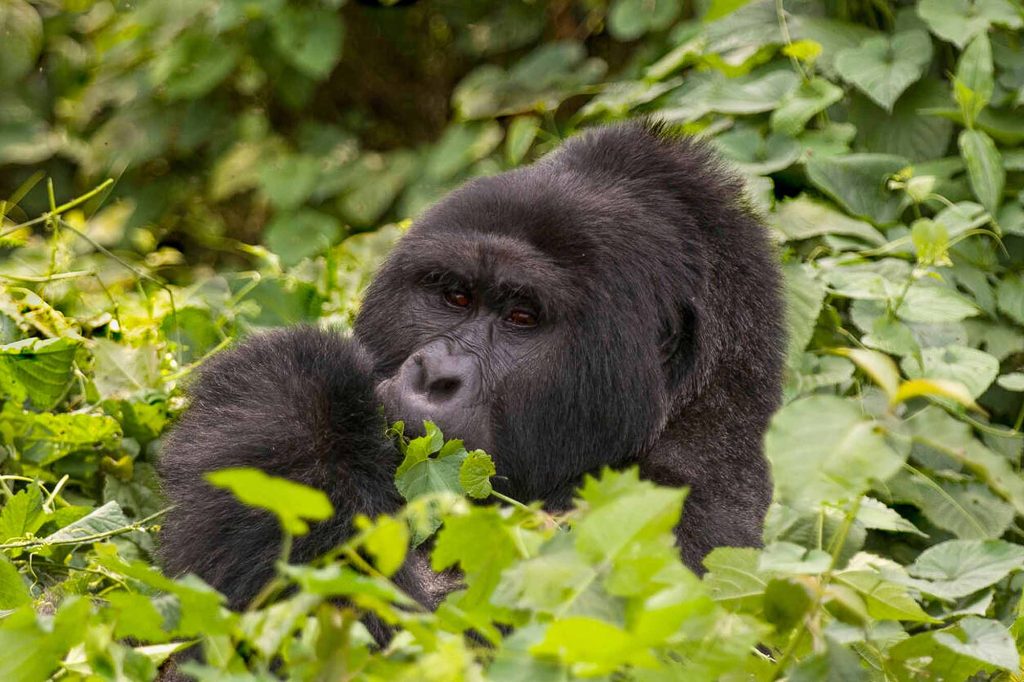
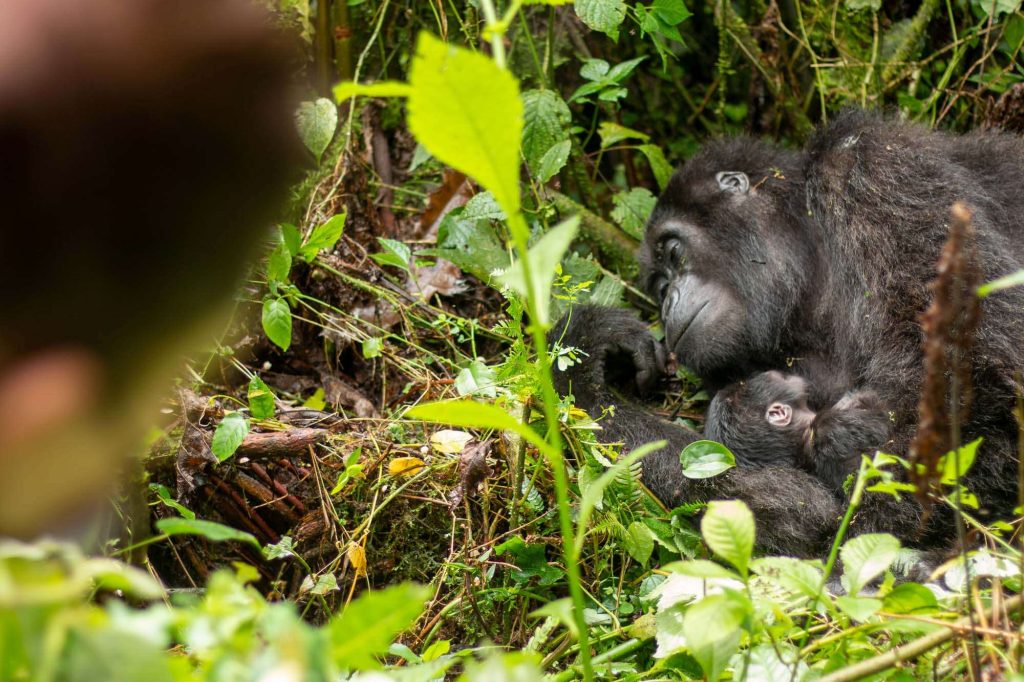
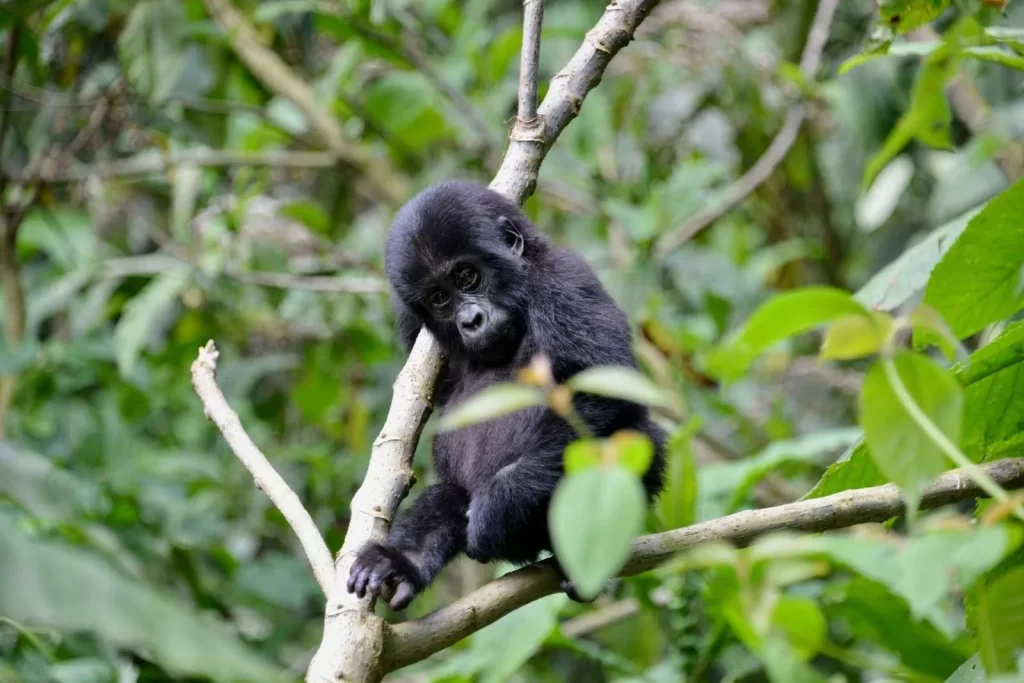
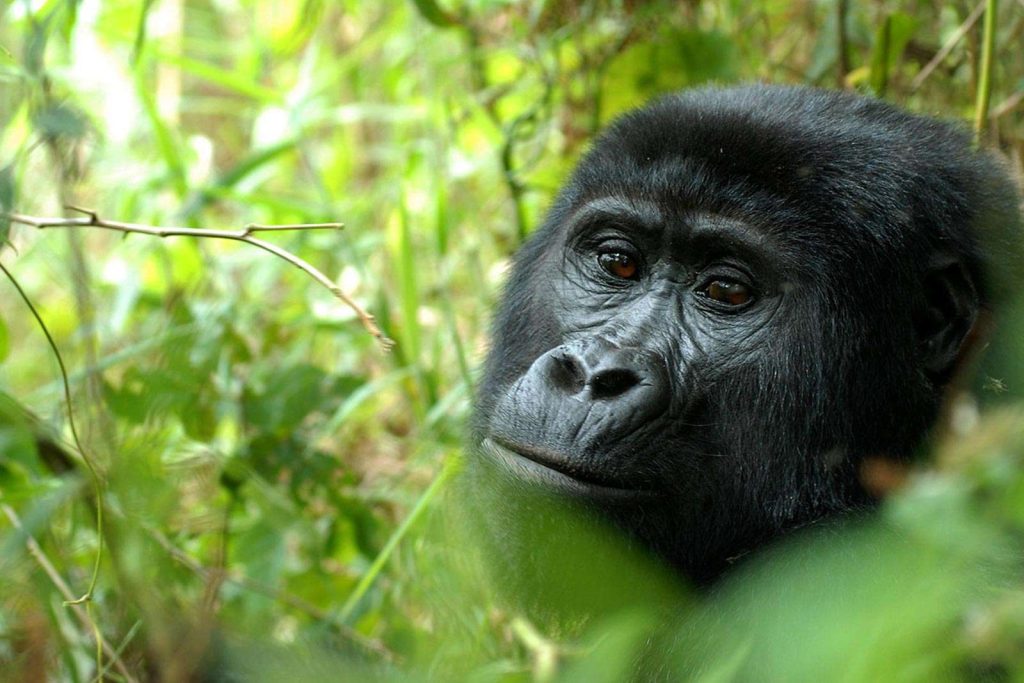
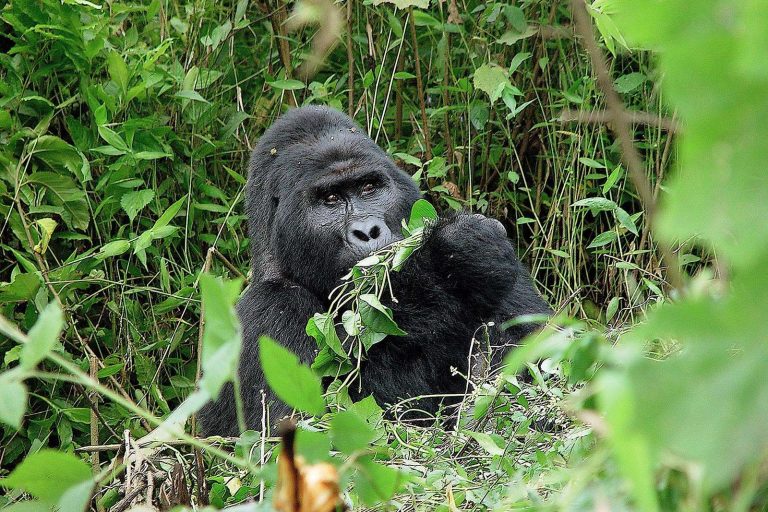
You’re not coming to Bwindi for a checklist. You’re coming for a moment that feels almost impossible in the modern world: to be close to a wild gorilla family—and to do it in a way that’s calm, respectful, and safe.
A good gorilla day has a particular rhythm. It starts quietly: boots tightening, a warm drink, the soft murmur of a briefing. Then the forest takes over—steep ridges, slick roots, a flash of sun through canopy. The “impenetrable” part isn’t drama; it’s texture. And then, without warning, the pace changes. Rangers signal. Your breathing gets quieter. You notice the small sounds again. And there they are—present, unbothered, utterly themselves.
The most important thing to know is this: you don’t need to be the fittest person in the group. You need a plan that protects your energy and a team that knows how to pace the day around you. That’s what turns a demanding walk into a deeply satisfying experience.
What to expect on the day
- Briefing first: You’ll meet your ranger team at your sector headquarters. This is where the day gets framed—conditions, etiquette, and what the trackers have already learned that morning.
- Trek time varies: Some days are shorter, some are longer. The route depends on where the gorillas nested, the terrain, and the group’s pace.
- Time with gorillas: For standard trekking, you spend one hour with the gorillas once you find them. (Habituation is different and is covered in the sector section.)
- The “real” finish: The trek doesn’t end when you leave the gorillas—it ends when you return, eat well, and let your body exhale. That recovery window is part of the experience.
The questions most people don’t know to ask (but should)
- “Will I slow everyone down?” Rangers manage pace and group safety. A well-built itinerary also makes this worry smaller.
- “What if it rains?” Expect mud and moisture in any season. What matters is footwear, layers, and not rushing transfers before/after.
- “Do I need a porter?” If you want the day to feel steadier—yes. A porter helps on steep sections and directly supports households at the forest edge.
- “Will I definitely see gorillas?” Sightings are typically high, but it’s still wildlife. What we can guarantee is the plan: the right sector, the right base, and the right pacing so the day is as smooth as possible.
- “What about health rules?” Gorilla tourism is protective by design. If you’re unwell, it’s better to flag it early so your team can advise responsibly.
A calm gorilla day plan (this is what makes it feel premium)
- The day before: Arrive into your sector area with time to settle. Bwindi rewards calm starts; it punishes late-night drives.
- Morning of: Keep it simple—layers, water, a small daypack, gloves if you like them, and shoes you trust on wet ground.
- On the trail: Move steadily, not fast. Let the ranger’s rhythm lead. Save energy for the steep parts and the return.
- At the encounter: The goal is not the perfect photo. It’s presence—quiet movements, low voices, and letting the moment come to you.
- After the trek: Protect your afternoon. Eat well. Warm up. Rest. Take a short walk if you feel like it. This is when Bwindi becomes more than the hour with gorillas.
More than gorillas: Bwindi’s layered life
Bwindi’s gorillas are the headline—but the forest itself is the reason people extend their stay. This is one of the most biologically rich rainforests in the region, recorded with 120+ mammal species and around 350 bird species, layered across ridges, valleys, and thick understory.
Give Bwindi an extra morning and it begins to feel complete: not just a trek, but a living system you can walk into.
Primates and forest wildlife (what else you might meet)
On forest walks you may share the trail’s edges with black-and-white colobus, red-tailed monkeys, blue monkeys, and—if you’re lucky—L’Hoest’s monkeys, one of the species visitors often remember because it feels distinctly “Bwindi.”
Deeper in, the signs shift: a sudden hush, broken stems, fresh tracks—evidence of shy forest mammals that don’t announce themselves, like duikers and other woodland wildlife that keeps the forest feeling inhabited, even when you don’t see everything clearly.
The point isn’t to collect sightings. It’s to feel the forest doing what it has always done—quietly, continuously—while you move through it.
Birding in the Albertine Rift (Bwindi’s quiet obsession)
Bwindi sits in the Albertine Rift, and the birding here is the kind that rewards attention. The Mubwindi Swamp Trail in Ruhija is especially well known among birders, and is one of the places people target for Rift specials like the African green broadbill.
Even for non-birders, the soundtrack changes your sense of place: canopy calls, sudden bursts of colour, and the constant feeling that the forest is speaking to itself.
Forest walks and viewpoints (named trails, by sector)
If you want Bwindi beyond gorillas, these are the walks that add depth without making your itinerary feel busy:
- Ruhija: Mubwindi Swamp Trail — the classic birding walk for Rift endemics.
- Buhoma: Muzabajiro Loop and Rushura Hill — shorter forest walks with canopy-and-ridge viewpoints.
- Buhoma / cross-forest: Ivy River Trail — a longer, immersive rainforest hike.
- Nkuringo area: Nteko Ridge community walk — big views over the forest edge and village life (opt-in, guided).
- Buhoma ↔ Nkuringo: the Nkuringo Walking Safaris route — a foot-powered way to connect the forest edge communities.
(We’ll match what’s feasible to your dates, sector permits, and pace—so this stays realistic.)
Photography and the mood of Bwindi
Bwindi photographs in textures: wet leaves, dark bark, mist caught in light, faces half-framed by green. It’s less about a perfect setup and more about being ready when the forest offers a moment. That shifting mood—sun breaks, cloud hush, sudden brightness—becomes its own memory.
Where to stay in Bwindi
Where to stay in Bwindi for gorilla trekking comes down to one rule: sleep close to the sector you’re trekking from. It’s the simplest way to keep trek morning calm—no dawn road slog, no last‑minute rushing, and more energy for the forest.
The best place to stay in Bwindi is usually the gateway for your trekking sector—Buhoma, Ruhija, Rushaga, or Nkuringo—because that choice also determines your cleanest route and park pairings.
- Buhoma / Ruhija bases: Ideal if you’re building a western circuit with Kibale and Queen Elizabeth, or you want north/east access for a straightforward trek morning.
- Rushaga / Nkuringo bases: Best for southern routing, especially if you’re approaching via Kigali, want to spend time in the southwest, or plan to add Mgahinga / the Virungas.
Fly-in tip (Kihihi vs Kisoro): match the airstrip to your sector—Kihihi airstrip works best for Buhoma/Ruhija, while Kisoro airstrip is the cleanest access for Rushaga/Nkuringo. Then build in breathing room: arrive settled, trek rested, and keep your afternoon open to recover.
Nkuringo Bwindi Gorilla Lodge (our Southern Bwindi base)
If your plan points you toward the southern sectors—Nkuringo or Rushaga—your base matters as much as your permit. The right place to stay doesn’t make trekking “easy,” but it does make the day calmer: less unnecessary driving, more time to settle, and a better recovery rhythm after the forest.
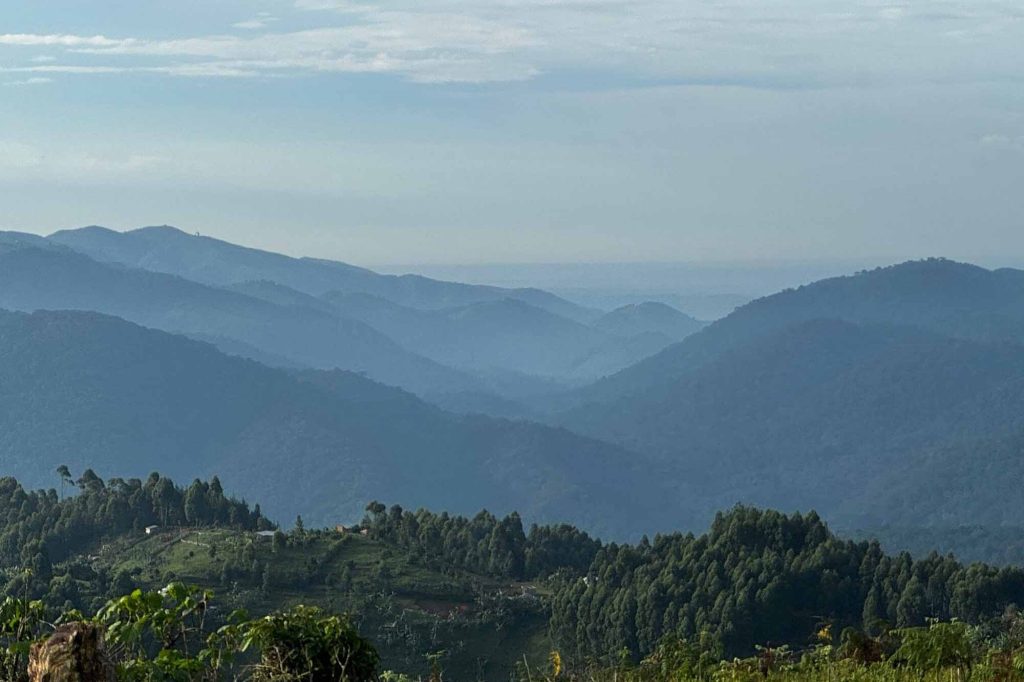
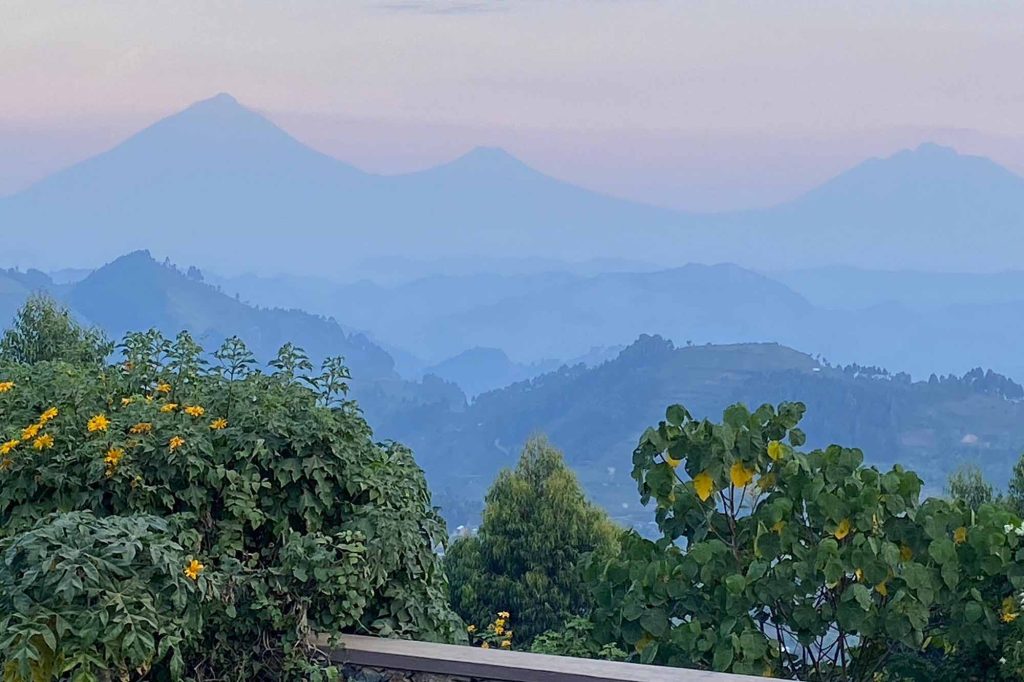
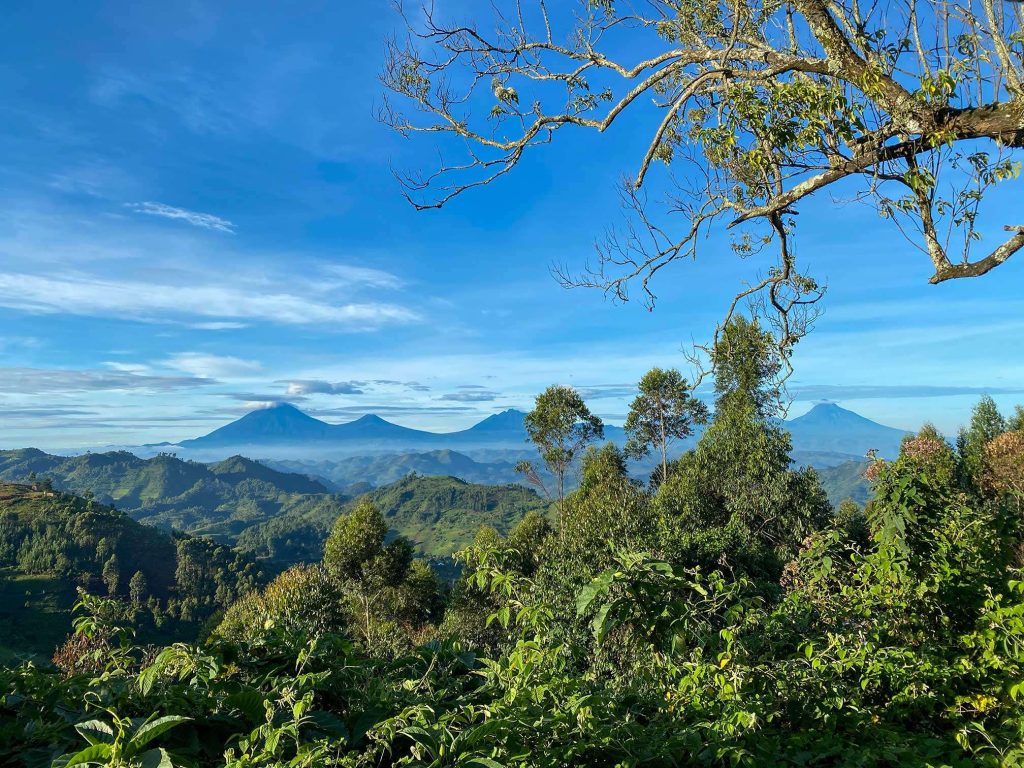
Nkuringo Bwindi Gorilla Lodge sits high on Nteko Ridge (~2,161m), with big-sky views over Bwindi’s canopy and, on clear days, the Virunga horizon on clear days. It’s the kind of base that suits travellers who want their Bwindi chapter to feel well-held—quiet mornings, steady logistics, and evenings that invite you to slow down.
Why travellers choose this base
- A ridge with room to breathe: cool highland air, wide views, and that post-rain clarity you remember long after.
- Southern-sector logic: a base designed for Nkuringo/Rushaga routing—so you’re not stacking trek day with avoidable road time.
- Southwest add-ons that feel natural: easy pairing with Kisoro and Lake Mutanda, with Lake Bunyonyi within reach for a softer-paced night between chapters.
Routing advantages (often overlooked)
- A strong “end-of-safari” base: Nkuringo works beautifully when you finish Uganda with gorillas—because you can unwind afterward around Lake Mutanda / Lake Bunyonyi, break the journey at Lake Mburo, or exit smoothly toward Kigali depending on flights and pace.
- From Kigali: southern Bwindi is often the cleanest entry/exit point when routing via Rwanda—especially for shorter itineraries or travellers who want to avoid backtracking.
- By air: flying into Kisoro can also help you connect efficiently into other western Uganda airstrips such as Kasese/Mweya (Queen Elizabeth) depending on routing—useful for a low-fatigue circuit, where schedules allow.
Who it fits best
- Travellers trekking Nkuringo or Rushaga who want a calmer, more scenic base
- Couples and families who value privacy and a strong “after-trek” experience
- Anyone building a southwest arc that includes Mgahinga / the Virungas via Kisoro
Conservation and community in Bwindi (how protection works here)
Bwindi is protected through a system—rangers, rules, science, and community partnerships working in the same direction. Gorilla trekking is part of that system: permits are controlled, groups are limited, and tracking guidelines are designed to keep gorillas wild and people safe.
Uganda Wildlife Authority (UWA) leads the management of Bwindi and the gorilla tourism framework. UWA also runs a revenue-sharing model that returns 20% of annual park revenue to communities around protected areas. At Bwindi, a levy linked to gorilla permits supports community projects.
Bwindi is also part of a wider regional effort to secure mountain gorillas. The International Gorilla Conservation Programme (IGCP) supports collaboration, conservation planning, tourism standards, and community engagement across the landscape. A One Health approach—linking gorilla health, human health, and forest health—also shapes why trekking protocols are cautious by design.
H3: How travelling with Nkuringo contributes (through Gorilla Junction Foundation)
When you travel with Nkuringo, your trip supports Bwindi’s wider protection system—and it also supports local work at the forest edge through Gorilla Junction Foundation. GJF channels travel into practical community priorities that strengthen coexistence: skills training, education support, and community health—the kinds of foundations that help families build reliable work close to home beside a protected forest.
If you’d like, we can share what’s active during your dates and what’s appropriate to visit or support—quietly, without turning community life into a spectacle.
H3: Connecting respectfully (opt-in, guided, on local terms)
If you want a community connection during your Bwindi stay, we’ll advise what fits and arrange opt-in experiences that respect local schedules and boundaries. Often the best approach is simple: go with a guide, listen more than you speak, and let daily life remain daily life.
How to get to Bwindi (Entebbe, Kigali, fly-in)
How to get to Bwindi is easiest when you start with one decision: which trekking sector you’re booked for. From there, we match you to the cleanest approach—road via Entebbe/Kampala, road via Kigali, or fly-in—so you arrive settled, not wrung out.
Quick cheat sheet (sector → best access)
- Buhoma / Ruhija → fly-in via Kihihi, or road via the western circuit
- Rushaga / Nkuringo → fly-in via Kisoro, or road via the southwest
- Southern sectors + Rwanda routing → Kigali can be the cleanest entry/exit
By road from Entebbe / Kampala (classic Uganda circuit)
Best when you’re combining Uganda’s western parks (often Kibale and Queen Elizabeth) before Bwindi. Treat the drive into Bwindi as a travel day, arrive with daylight if you can, and keep trek morning calm.
By road from Kigali (efficient for southern Bwindi)
Ideal if you’re flying into/out of Rwanda or finishing your safari with gorillas in the south. We’ll advise on border timing and the smoothest sequence for your itinerary so your sector check-in and briefing plans stay on track.
Fly-in (protect your energy)
Flying is the simplest way to reduce long road days—especially if you’re stitching forest and savannah together. Match the airstrip to your sector:
- Kihihi airstrip for Buhoma / Ruhija
- Kisoro airstrip for Rushaga / Nkuringo (also convenient for Mgahinga / Virungas add-ons)
The pacing rule that saves your gorilla day
However you travel, try not to stack a hard transfer into trek morning. Stay close to your trekking headquarters, start calm, and keep your afternoon open to recover.








5-Day Uganda Gorilla Safari — By Road
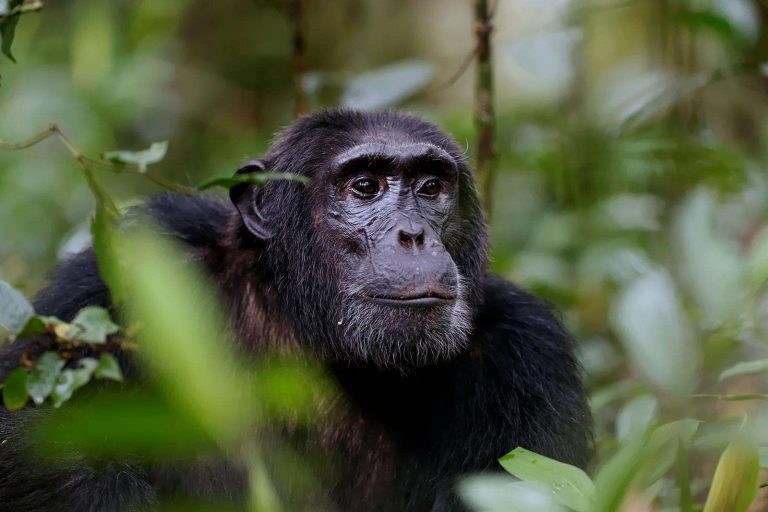
8-Day Classic Uganda Primates & Wildlife Safari

10-Day Bwindi & Masai Mara Safari Adventure — Uganda & Kenya
10-Day Gorillas & Serengeti Safari — Uganda & Tanzania

10-Day Honeymoon in Uganda — Gorillas, the Nile & Chimpanzees

11-Day Uganda Birding & Gorilla Trekking Safari

11-Day Uganda Highlights Adventure Safari
12-Day Explore Uganda — The Pearl of Africa Safari
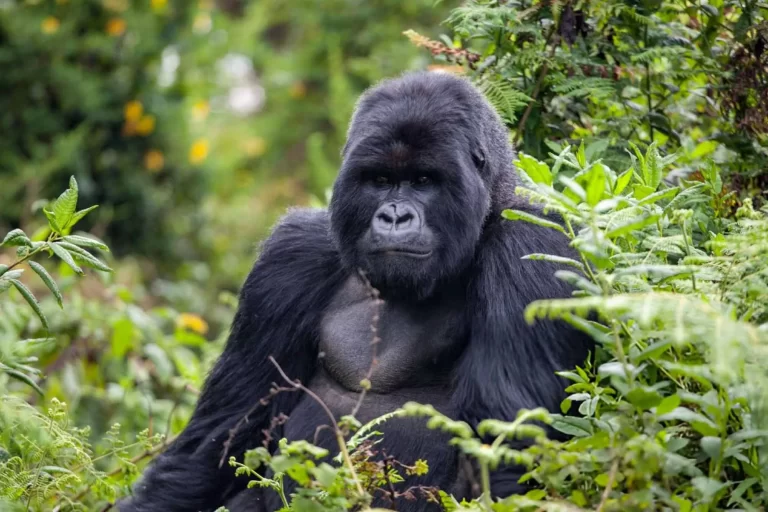
14-Day Best of Uganda Adventure — Gorillas, Game Parks & Kidepo
16-Day Explore Uganda — The Pearl of Africa Adventure
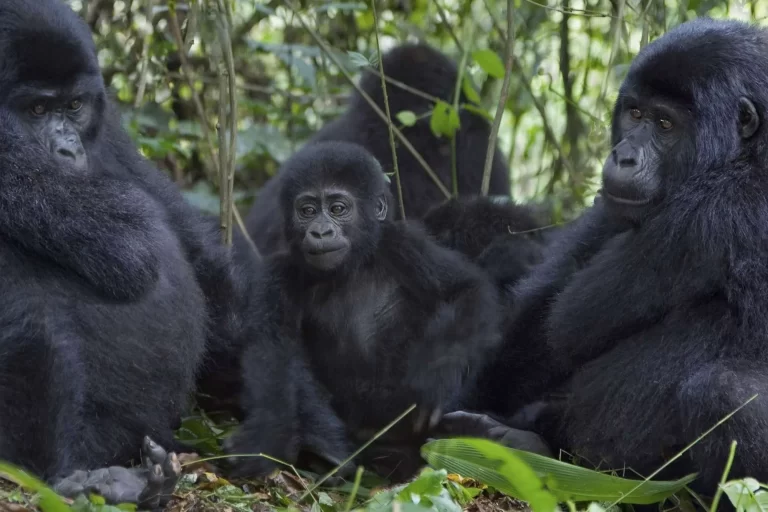
16-Day Safari to Uganda’s Top National Parks

20-Day Uganda Bird Watching, Wildlife & Primates Safari
5-Day Kigali–Bwindi Gorilla Safari — Uganda & Rwanda

5-Day Short Luxury Uganda Gorilla Safari — Fly-In

6-Day Uganda Gorilla Trek & Walking Safari Adventure

7-Day Uganda Gorillas & Golden Monkey Trekking Safari

8-Day Classic Uganda Primates & Wildlife Safari

8-Day Hiking Virunga Volcano, Gorillas & Golden Monkeys in Uganda

8-Day Uganda Walking Safari — Off the Beaten Path in Southwestern Uganda
8-Day Wildlife & Gorilla Adventure — Uganda & Rwanda

9-Day Luxury Gorilla Safari in Uganda
Some of Our
Frequently Asked Questions
Match the sector to your route and priorities. Buhoma fits classic western circuits; Ruhija suits cooler high-forest feel and birding; Rushaga is the home of the Gorilla Habituation Experience; Nkuringo is a southwest ridge base for calm southern logistics and scenery. In peak months, permits may decide—then we plan the smoothest option around what’s available.
Gorilla tourism is protective by design. The minimum age is 15. You trek in small groups (typically up to 8 visitors per gorilla group), keep a respectful distance (UWA guidance is 10 metres), and follow ranger instructions at all times. If you’re unwell, it’s important to flag it early so your team can advise responsibly—these rules protect gorillas and travellers alike.
Difficulty varies day to day. Trek length depends on where the gorillas nested, the terrain, and trail conditions—Bwindi can be steep and muddy in any season. The best way to make it feel manageable is planning: sleep close to your sector, start calm, hire a porter if you want steadier footing, and keep your afternoon free to recover. We’ll advise honestly based on your pace and preferences.
Two nights is the minimum that feels comfortable for most travellers (arrive, trek, depart). Three or more is better if you want Bwindi beyond the headline: time for a forest walk, birding, a community experience, or simply a calmer rhythm around trek day. Extra nights also give flexibility when permits are tight—you can secure the best available sector without forcing the itinerary.
Standard gorilla trekking includes one hour with a fully habituated gorilla family once you find them. The Gorilla Habituation Experience is longer—typically up to four hours with a group still being habituated—and it’s offered only in Rushaga. It’s ideal if you want more time observing behaviour and don’t mind a longer, more demanding day on the trail.
Match the airstrip to your trekking sector. Kihihi is the practical fly-in for Buhoma/Ruhija access in the north/east. Kisoro is the cleanest fly-in for Rushaga/Nkuringo in the south and also works well if you’re adding Mgahinga/Virungas. We’ll align flights, transfers, and your sector headquarters so trek morning stays calm.
The earlier the better, especially for the drier peak windows (June–August and December–February) when sector-specific permits can sell out. If your dates are fixed, we’ll work fast to lock permits first, then build the route around the confirmed sector. If you’re flexible, we can often secure better availability by adjusting the order of parks or shifting by a day.
Dress for wet vegetation and uneven ground: long trousers, long sleeves, a light rain layer, and sturdy shoes with grip. Gloves help for nettles and grabbing vegetation. Carry water, snacks, and a small daypack; pack a warm layer for cooler mornings/evenings, especially in higher sectors. Keep camera gear simple and protected. (Our planning kit includes a full, field-tested list.)
Bwindi rewards anyone who stays a little longer. Beyond gorillas, you can add guided forest walks, Albertine Rift birding (Ruhija’s Mubwindi Swamp Trail is a classic), and opt-in community walks like the Nteko Ridge experience near Nkuringo. These aren’t “extras” to cram in—they’re the slower hours that make Bwindi feel like a place you inhabited, not just a trek you completed.
Yes. Southern Bwindi (Rushaga/Nkuringo) can route cleanly via Kigali for travellers flying in/out of Rwanda. If you’re flying out of Entebbe, we can also shape a softer finish with a lakeside night (Bunyonyi/Mutanda) or a gentle savannah stop (Lake Mburo) to break up the drive.
Testimonials
