
Kenya's Capital & East Africa Safari Hub
Nairobi
Nairobi is the entry point for most East Africa safaris and a genuinely engaging city in its own right. Home to 4.3 million people, Jomo Kenyatta International Airport, and Nairobi National Park on its doorstep, it blends a modern African capital with wildlife, history, and culture. Most visitors spend at least one night here — and a full day rewards proper exploration.

Nairobi has been the starting point for East Africa safaris since the days of Teddy Roosevelt and Ernest Hemingway. It remains the hub that connects international flights to Kenya’s parks and reserves — and it offers more than a transit stop.
Wildlife experiences accessible from the city:
- Nairobi National Park — 7 km from the city centre; lion, black rhino, cheetah, giraffe, and buffalo on open plains with the skyline behind. A half-day game drive fits into any layover
- David Sheldrick Wildlife Trust — baby elephant orphanage at the park’s edge; open 11:00–12:00 daily; book in advance. One of Kenya’s most moving wildlife encounters
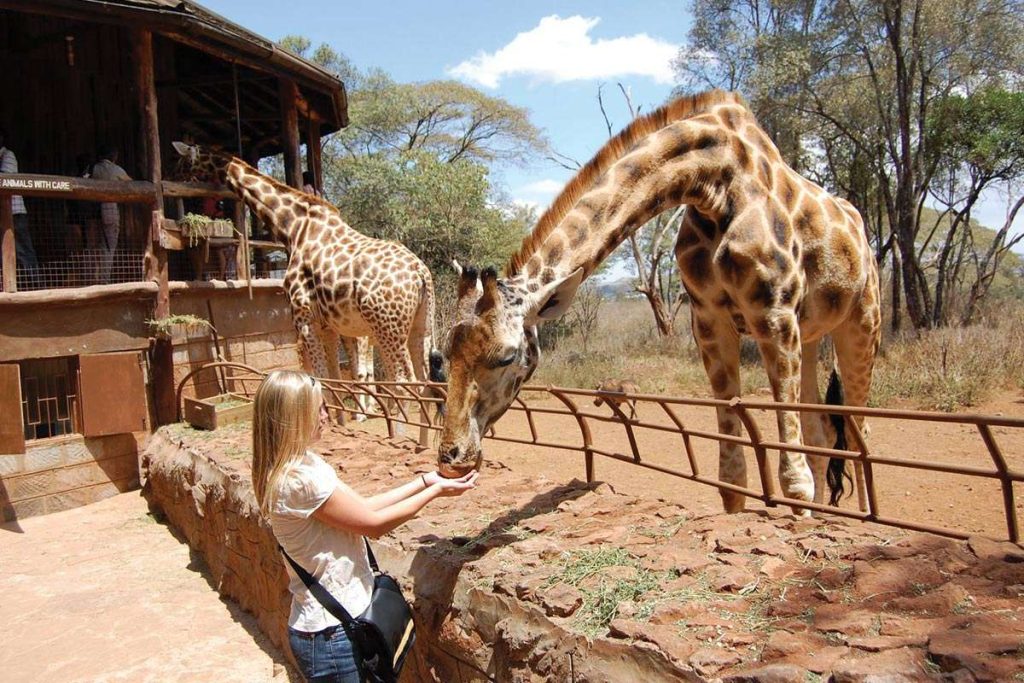
- Giraffe Centre — hand-feed Rothschild’s giraffes from an elevated platform in Langata; 20 minutes from the city centre
Culture and history:
- Karen Blixen Museum — the Out of Africa author’s estate from 1913–1931; Ngong Hills views from the garden
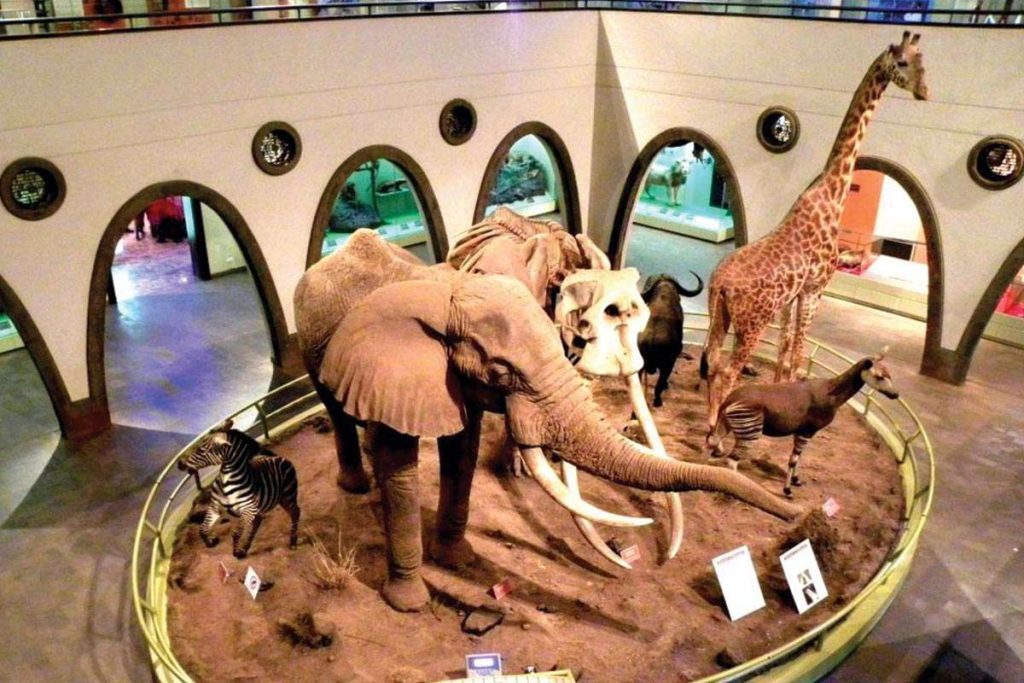
- Nairobi National Museum — Leakey prehistory exhibits, Joy Adamson paintings, Kenya natural history
- Nairobi Railway Museum — Teddy Roosevelt’s rhino catcher carriage; fun for families
Dining worth knowing:
- Tamarind — the best seafood restaurant in Nairobi; Kilifi oysters, ginger crab, Piri Piri prawns (~$60/main)
- Carnivore — all-you-can-eat Maasai barbecue pit; crocodile and ostrich alongside conventional meats (~$45)
- Tatu at the Norfolk Hotel — contemporary fine dining in a historic venue; known for steaks (~$40/main)
Nairobi suits any traveller arriving in Kenya — whether using the city as a pure transit point or building in a full cultural day before heading into the parks.
Nairobi sits at 1,661m above sea level — temperatures are mild and pleasant year-round, typically between 13°C and 26°C. The city itself works in every season. The main seasonal variable is rainfall, which affects the Nairobi National Park game drive conditions more than the city experience.
The dry seasons (June–September and January–February) offer the best park conditions alongside city visits. The wet seasons (March–May and October–November) bring afternoon showers but rarely disrupt a city day. Nairobi is a year-round destination.
Kenya’s main dry season. Best conditions for combining a Nairobi city visit with a half-day game drive in Nairobi National Park. Clear days with good visibility. Nairobi is at its busiest as peak safari season is in full swing across Kenya.
Short dry season. Excellent conditions with clear skies. A quieter and more relaxed time in the city compared to the July–August peak. Good combination with Amboseli or the Masai Mara at this time of year.
Wet seasons. Afternoon showers are regular but rarely all-day. The city functions normally and attractions are unaffected. Nairobi National Park tracks can soften after rain. Lower hotel rates available in some properties.
Getting here: Jomo Kenyatta International Airport (JKIA) is 16 km southeast of the city centre — approximately 40 minutes by taxi (~$25) or up to 2 hours in rush hour. Many hotels offer shuttle services (~$35). Wilson Airport, 5.5 km from the centre off Langata Road, handles domestic and charter flights to safari destinations; AirKenya and Safarilink operate scheduled departures to Amboseli, Laikipia, Samburu, and the Masai Mara.
Getting around: Taxis are the most practical option for visitors. Negotiate the fare before setting off. Ride-hailing apps (Uber, Bolt) are available and provide a fixed price in advance. Avoid matatus (local minibus taxis) — they are cheap but often overloaded and driven recklessly.
Visa: Kenya e-visas are required for most nationalities and must be obtained before arrival at evisa.go.ke. Single-entry visas cost approximately $50. Confirm current requirements for your nationality before travel.
Accommodation: Key options across price tiers:
- Sarova Stanley (~$190/night) — one of Nairobi’s oldest hotels; heated pool; central location
- Sankara Nairobi (~$193/night) — stylish city hotel in Westlands; good rooftop city views
- Hemingways Nairobi (~$385/night) — boutique luxury in Karen; butler service; Ngong Hills views
- House of Waine (~$665/night) — family-owned boutique; Karen Blixen Museum next door; heated pool
- Fairmont The Norfolk Hotel (~$665/night) — Nairobi’s grand colonial hotel; best breakfast buffet in the city
- Giraffe Manor (~$965/night) — Langata estate with resident Rothschild’s giraffes; books out months ahead
All rates are approximate starting prices — confirm current pricing at booking.
Safety: Nairobi is a large African city and standard urban precautions apply. Keep valuables secure; use taxis after dark rather than walking; avoid displaying cameras or phones in street markets. The tourist areas — Karen, Langata, Westlands, the national park — are well-managed and generally safe.






13-Day Classic Luxury Safari in Kenya

10-Day Bwindi & Masai Mara Safari Adventure — Uganda & Kenya

11-Day Ultimate Kenya Family Safari Vacation
Some of Our
Frequently Asked Questions
One overnight is the minimum most travellers allow — enough for a good dinner and an early morning departure to the parks. A full day unlocks the David Sheldrick Trust, Giraffe Centre, and Karen Blixen Museum alongside a city lunch. Two nights allows a half-day game drive in Nairobi National Park and a relaxed exploration of the Karen and Langata suburbs. It rewards more than a transit stop.
Three stand out for most visitors. The David Sheldrick Wildlife Trust elephant orphanage (11:00–12:00 daily, book ahead) is one of the most moving wildlife encounters in Kenya. The Giraffe Centre in Langata is excellent for families and photographers. A half-day game drive in Nairobi National Park — 20 minutes from the city centre — offers lion, black rhino, cheetah, and giraffe against a city skyline backdrop that exists nowhere else in Africa.
Bush flights from Wilson Airport (5.5 km from the city centre) are the most practical option — approximately 45 minutes to the Masai Mara, Amboseli, or Laikipia. AirKenya and Safarilink operate scheduled daily services. For longer Kenya circuits, the team arranges all flights and transfers as part of the itinerary. The overland drive to the Masai Mara is approximately 5–6 hours from Nairobi.
The main tourist areas — Karen, Langata, Westlands, and the national park zone — are well-managed and generally safe. Standard urban precautions apply: use taxis after dark, keep valuables out of sight, and avoid displaying cameras in busy street markets. The city has improved significantly over the past decade and the safari-facing areas receive very large volumes of international visitors without significant incident.
Giraffe Manor is an iconic boutique hotel in the Langata suburb of Nairobi, famous for its resident herd of endangered Rothschild’s giraffes that visit the property at meal times — including at the breakfast windows. It is one of the most photographed hotels in Africa. Rates start from approximately $965/night including full board and most drinks. It books out months in advance — confirm availability and book directly or through the team as early as possible.
Tamarind is the top choice for seafood — Kilifi oysters, ginger crab, and Piri Piri prawns flown up from the coast daily (~$60/main). Carnivore is an institution for its Maasai barbecue pit and all-you-can-eat meat including crocodile and ostrich (~$45). For a smart, historic dining room, Tatu at the Fairmont Norfolk Hotel delivers well-executed steaks and contemporary sides (~$40/main).
Testimonials
