
Birding Safaris in Uganda & Rwanda
Follow the wingbeat into the forest with expert eyes beside you.
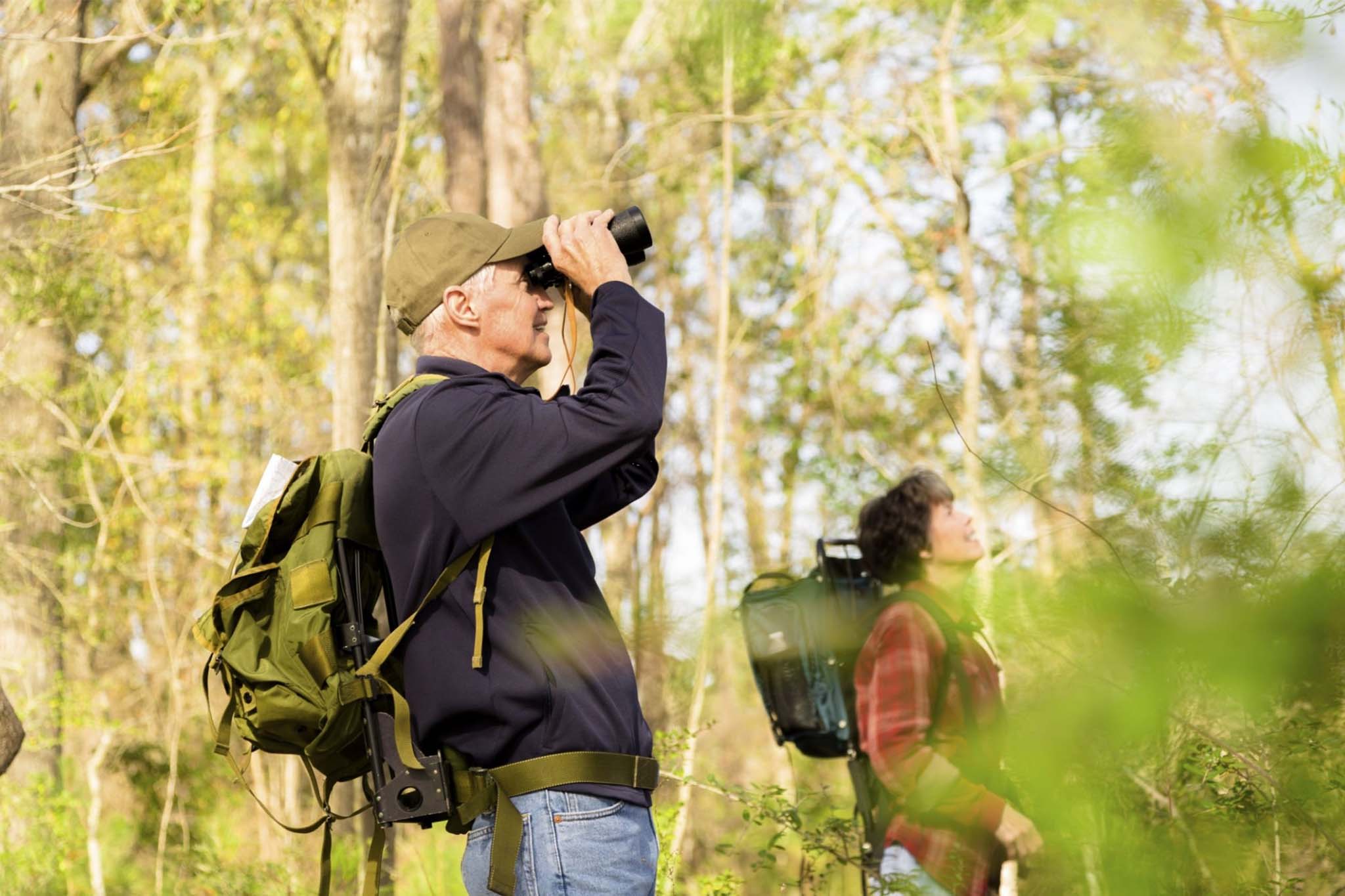

11-Day Uganda Birding & Gorilla Trekking Safari
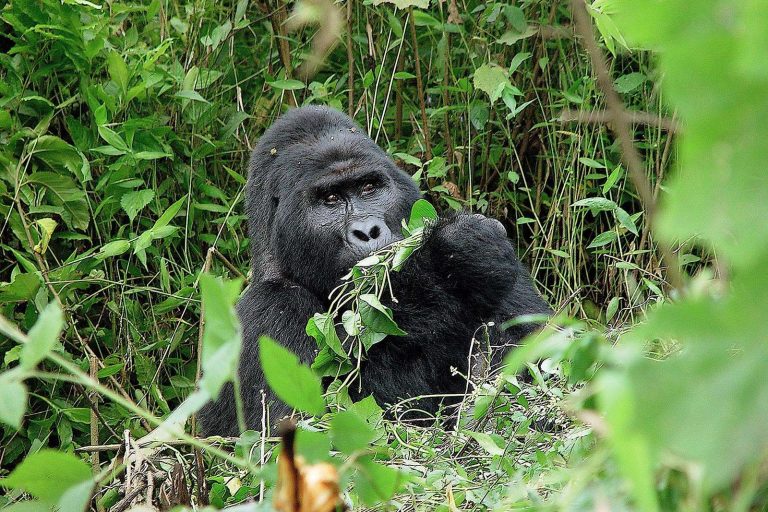
12-Day Explore Uganda — The Pearl of Africa Safari
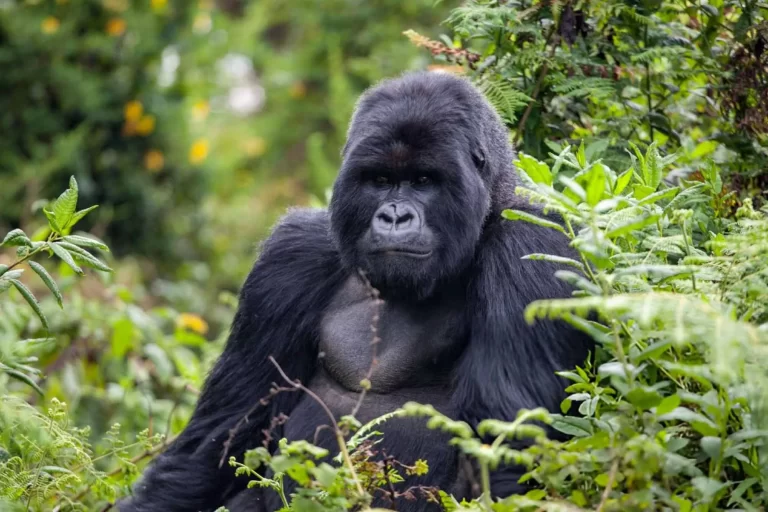
14-Day Best of Uganda Adventure — Gorillas, Game Parks & Kidepo
16-Day Explore Uganda — The Pearl of Africa Adventure

16-Day Rwanda Bird Watching Safari
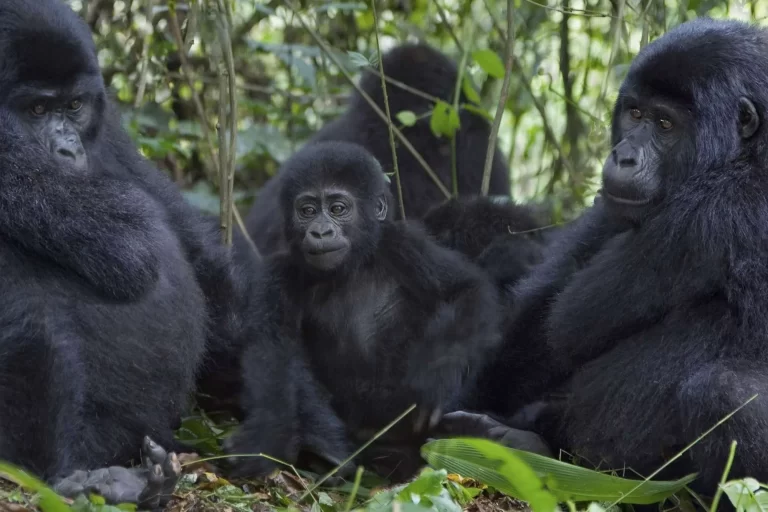
16-Day Safari to Uganda’s Top National Parks

20-Day Uganda Bird Watching, Wildlife & Primates Safari

8-Day Hiking Virunga Volcano, Gorillas & Golden Monkeys in Uganda
8-Day Wildlife & Gorilla Adventure — Uganda & Rwanda
From Shoebill swamps to montane forests—this is birding where it still feels wild
A broadbill whistles just beyond view. The morning light threads through tangled vines. Your guide halts mid-step, raises a hand, and gestures to a flicker of colour moving across the canopy. In this moment, you’re not ticking species off a list—you’re part of a quiet search that has shaped these forests for generations.
With over 1,000 bird species recorded across Uganda and Rwanda—including more than 150 Albertine Rift endemics—this region is among the richest birding landscapes on Earth. Trails wind through Bwindi’s montane forest, Mabamba’s papyrus swamp, and the high-altitude canopy of Nyungwe, each offering a distinct rhythm and a different voice in the chorus. The elusive Shoebill still commands reverence in the wetlands, while forest undergrowth reveals species seen nowhere else on the planet.
Our birding and birdwatching safaris are crafted for those who want to see more than birds. They’re for travellers who understand place through detail—who value stillness, skill, and the quiet thrill of a guide catching a call you didn’t even hear.
Start planning your birding safari with a specialist
Why Birding in Uganda & Rwanda
Step into the Albertine Rift and you enter a landscape designed for listening. The trees speak in wings. The wetlands pulse with movement just beyond sight. Uganda and Rwanda hold more than just remarkable biodiversity—they offer terrain that invites deep, immersive birding without the need for long-haul transfers or crowded trails.
Ecological Diversity in Compact Distance
Within a few hours’ drive, you can move from montane rainforest to open savannah, papyrus swamp to crater lakes. This tight geographic range gives birders access to dramatically different habitats and hundreds of species—many found only here—without ever needing to board a plane. It’s a rhythm that suits both seasoned birders and curious travellers wanting depth without disruption.
Heart of the Albertine Rift
This region hosts over 150 endemic species—more than any other part of mainland Africa. The African Green Broadbill hides in Bwindi’s tangled understory. The Rwenzori Batis flits through moss-draped branches in the cloud forests. And just beyond the reach of most tourists, Grauer’s Swamp Warbler calls from the marsh reeds. These are forests that reward patience, precision, and a well-tuned ear.
Guided by Those Who Know the Forests Best
Our birding guides are field-trained experts, many raised within walking distance of the very trails you’ll follow. Their work is as much about conservation as it is about identification. They understand not just how to find rare species—but how to read the forest, how to listen for the gaps, and how to share the stillness that true birding requires.
Talk to a Birding Safari Specialist
The Birds You Might Encounter
Some birds you plan to see. Others announce themselves—through silence, through sudden colour, through a guide’s subtle gesture that shifts everything around you.
These ten species are a glimpse into what East Africa’s forests and wetlands quietly hold for those willing to wait and watch.
Shoebill (Balaeniceps rex)
A towering, almost mythic figure of the swamps. Its prehistoric gaze and slow, deliberate movements feel like time slowing down. Often seen in Mabamba Bay’s papyrus shallows.
African Green Broadbill
Rare, iridescent, and barely larger than a leaf. This forest dweller clings to the canopy mid-storey in Bwindi, often nesting in moss near fig trees. Quiet, and often only spotted by a patient guide’s trained eye.
Rwenzori Turaco
Flashes of deep crimson and emerald green sweep through high-altitude forest trails. Endemic to the Albertine Rift, the Turaco’s call echoes like a laugh across mist-filled valleys.
Grauer’s Swamp Warbler
One of the most range-restricted birds on the continent. Hidden in montane wetlands, it’s best found with help—by knowing where the reeds part, and what sound doesn’t belong.
Bar-tailed Trogon
Elusive, shy, and unmistakably regal. Found in Kibale and Nyungwe’s misty forests, this trogon perches quietly just behind the veil of thick foliage, tail flashing copper as it shifts.
Black Bee-eater
Dramatic in both colour and flight, this bee-eater’s iridescent blue and velvet-black feathers shimmer in forest light. Watch for its aerial acrobatics along forest edges.
Papyrus Gonolek
Heard before it’s seen, this striking black-and-crimson bird thrives in dense papyrus beds. Its duet calls slice clean through the wetland hush—a vocal landmark for many guides.
Dusky Crimsonwing
Tiny and secretive, this seed-eater lives in the understory of mountain forests. It’s one of the Albertine endemics that tests even expert spotters, darting low across shadowed trails.
Great Blue Turaco
More parrot than Turaco in size, its vivid blue and yellow body and lazy flight path give it an almost prehistoric presence in the canopy. Common in Nyungwe and Kibale—but always a thrill.
African Pitta
Sometimes called the “jewel of the forest”, the African Pitta’s appearance is rare and electric. Bright greens, blues, and reds flash as it forages in leaf litter—an elusive favourite among serious listers.
Ask a Specialist Where to Spot These Birds on Safari
Pair Birding With Other East African Experiences
In East Africa, birding never happens in isolation. The same swamps that shelter Shoebill also draw elephants to drink. A pause for a warbler’s call often coincides with antelope grazing at the forest edge. We design safaris that let these moments overlap, so your days flow naturally between target species and wildlife encounters.
Gorilla Trekking — Bwindi, Mgahinga, Volcanoes
On the ridgelines where mountain gorillas roam, Albertine Rift endemics flicker through the canopy. Dawn walks along the forest edge may reveal broadbills or crimsonwings before you step onto the trail that leads to a gorilla family. Later, as light softens, the same paths offer another quiet chance to pick up species missed in the morning. Learn more about our gorilla trekking safaris.
Chimpanzees — Kibale, Budongo, Kyambura
Here, birding and primate tracking share a soundscape. You might scan boardwalk reeds for turacos while a guide signals chimpanzee calls deeper in the forest. After time spent among the troop, birding resumes as canopy flocks stir in the afternoon light. See details of our chimpanzee tracking tours.
Savannah & Wetland Circuits
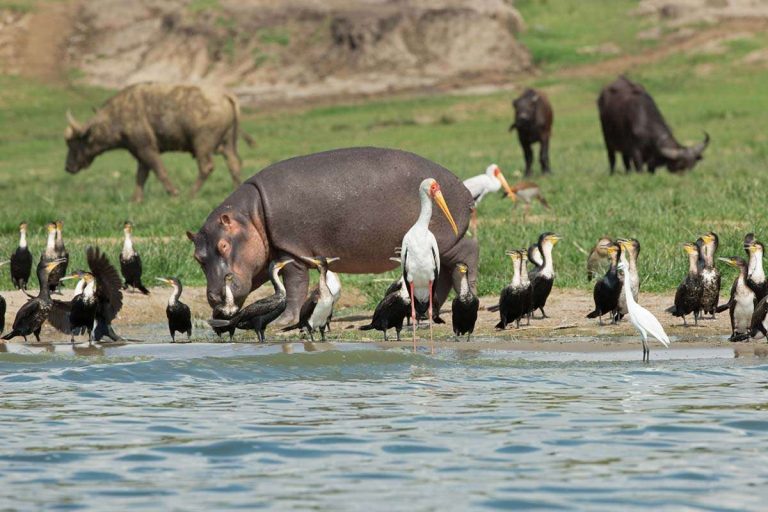
- Queen Elizabeth NP (Uganda): Kazinga Channel boat runs bring African skimmers and kingfishers inches from your lens, while hippos and buffalo shift in the background. On the plains, raptors patrol above elephant herds.
- Murchison Falls NP (Uganda): A dawn run on the Nile Delta targets Shoebill; by mid-morning, giraffes stride across grasslands where coursers and larks lift with the wind.
- Lake Mburo NP (Uganda): Acacia birding pairs with zebra and eland; a boat glide may reveal African Finfoot as fish eagles call overhead. After dark, nightjars and small predators share the tracks.
- Akagera NP (Rwanda): Lakes ringed with papyrus produce gonoleks and jacanas while lions move through the rolling savannah nearby.
- Kidepo Valley NP (Uganda): Remote, dramatic country where martial eagles soar above sweeping herds and dry-country specials hide among thorn scrub.
Browse our classic wildlife safaris that pair well with birding.
Walking, Boats, and Lodge-Edge Time
Some of the best records happen close to where you sleep. Dawn at a lodge clearing may turn up sunbirds and woodpeckers before breakfast. Boats along the Nile or Mburo’s lake put bee-eaters and herons at eye level while game filters past. Walking trails slow the rhythm, letting you tune into smaller forest life while remaining open to surprise encounters.
Plan Your Birding + Wildlife Safari With Our Experts
When to Go Birding in Uganda & Rwanda
Birding in this part of East Africa—especially Uganda birding trips—is rewarding year-round, but timing shapes what you see and how you move through the landscape. Our planners match your target species with seasonal rhythms—so you’re in the right place at the right moment.
June–August & December–February — Prime Birding Seasons
These are the driest months, making forest trails more accessible and river levels stable. Resident species are active and vocal, many in breeding plumage. Highlights include:
- Green-breasted Pitta displays at dawn in Kibale’s forests.
- Easier views of canopy flocks as foliage thins.
- Smooth access between habitats for multi-park birding safaris.
March–May & September–November — Migrants & Breeding Activity
Rains bring challenges for hiking but also some of the richest birding—mist lifting off the forest, migrants calling overhead, and vibrant breeding displays:
- European and Asian migrants swell species lists.
- Breeding behaviour peaks, with vibrant plumage and territorial calls.
- Forest specialists like Grauer’s Broadbill are best located during nesting (late May–August).
- Wetlands such as Mabamba and the Kazinga Channel remain highly productive, with waterfowl and papyrus specialists easy to observe.
Year-Round Icons
- Shoebill sightings in papyrus swamps are reliable in every season.
- Albertine Rift endemics—from Rwenzori Turaco to Dusky Crimsonwing—can be found throughout the year with expert guidance.
- Flexible itineraries mean we shape your birding safari around both seasonal highlights and your personal checklist.
The forests, wetlands, and savannahs change character with each season. Knowing when to go—and where—makes all the difference. That’s where our specialist team steps in.









Testimonials
