
Tailor-Made Kenya Safari Packages
Kenya Safaris
Kenya is Africa’s most iconic safari destination — a land of sweeping savannas, dramatic wildlife spectacles, and extraordinary diversity. From the wildebeest-filled plains of the Masai Mara to snow-capped Mt. Kenya and the white-sand beaches of the Indian Ocean coast, a Kenya safari delivers experiences unlike anywhere else in the world. Whether you’re a first-time safari-goer or a seasoned wildlife traveller, Kenya belongs on your list.
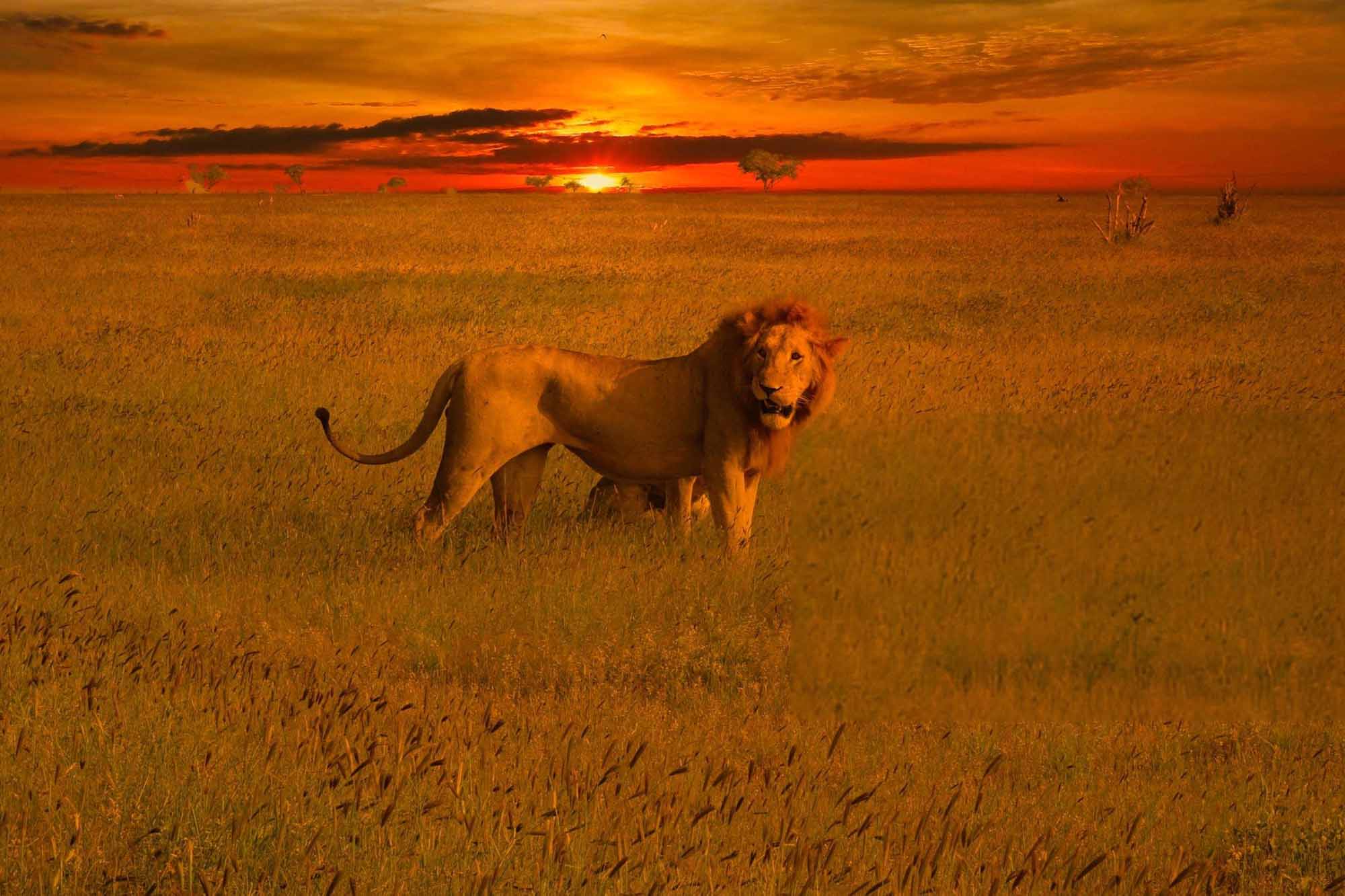
Kenya is the birthplace of the African safari — and it remains one of the continent’s most rewarding wildlife destinations. Home to the Big Five, millions of migratory wildebeest, and more than 500 bird species, Kenya offers game viewing that few destinations can match.
The Great Migration The annual Great Migration Kenya is one of nature’s greatest spectacles. Each year, more than a million wildebeest and zebra move in a vast cycle from Tanzania’s Serengeti into Kenya’s Masai Mara National Reserve. The dramatic Mara River crossings — with crocodiles, lions and cheetahs in pursuit — are the highlight of any Kenya wildlife safari.
Big Five Safari Kenya Kenya’s national parks and reserves offer outstanding Big Five safari opportunities. Elephants and buffalo are common across the ecosystem. Large lion prides roam the Mara and Amboseli. Leopards are elusive but reliably found with an experienced guide. Black rhino, though scarce, still survive in small numbers. Kenya game drives regularly turn up giraffe, hippo, impala, topi, Coke’s hartebeest, warthog, and the eland — the world’s largest antelope.
Key Parks and Reserves
- Masai Mara National Reserve — Best for the Great Migration and Big Five year-round
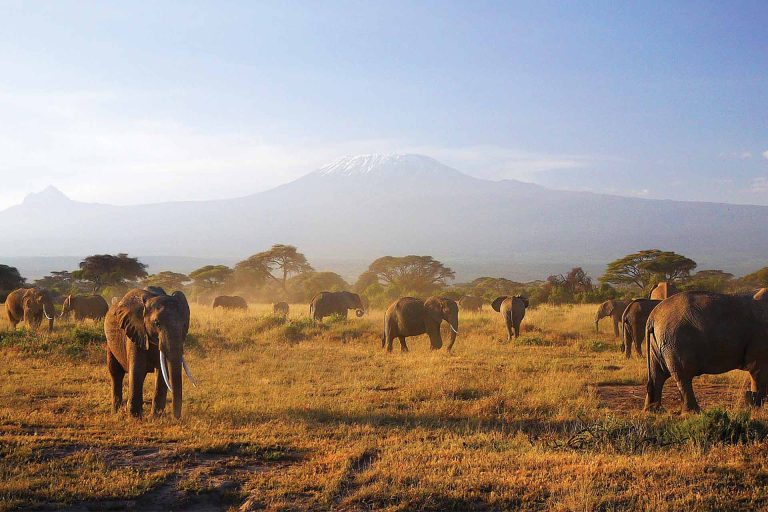
- Amboseli National Park — Famous for large elephant herds against the backdrop of Mt. Kilimanjaro
- Tsavo East & West — Kenya’s largest national park; red elephants and dramatic landscapes
- Laikipia Plateau — Private conservancies with exceptional rhino and predator sightings
- Samburu National Reserve — Northern specialist species including Grevy’s zebra and reticulated giraffe
- Nairobi National Park — Wildlife game drives within reach of the capital city
Culture and Coast Beyond wildlife, Kenya offers rich cultural encounters with Maasai communities living alongside the reserves, and a stunning coastline to end your safari. Diani Beach is ideal for honeymoons and beach escapes; Mombasa suits those looking for a livelier mix of history, diving, and deep-sea fishing. The UNESCO-listed town of Lamu offers a slice of Swahili Arab history unchanged for centuries.
Combine Kenya with More A Kenya safari pairs naturally with gorilla trekking in Uganda or Rwanda, with domestic flights making connections straightforward. It’s one of the most versatile itineraries in East Africa.
Amboseli National Park
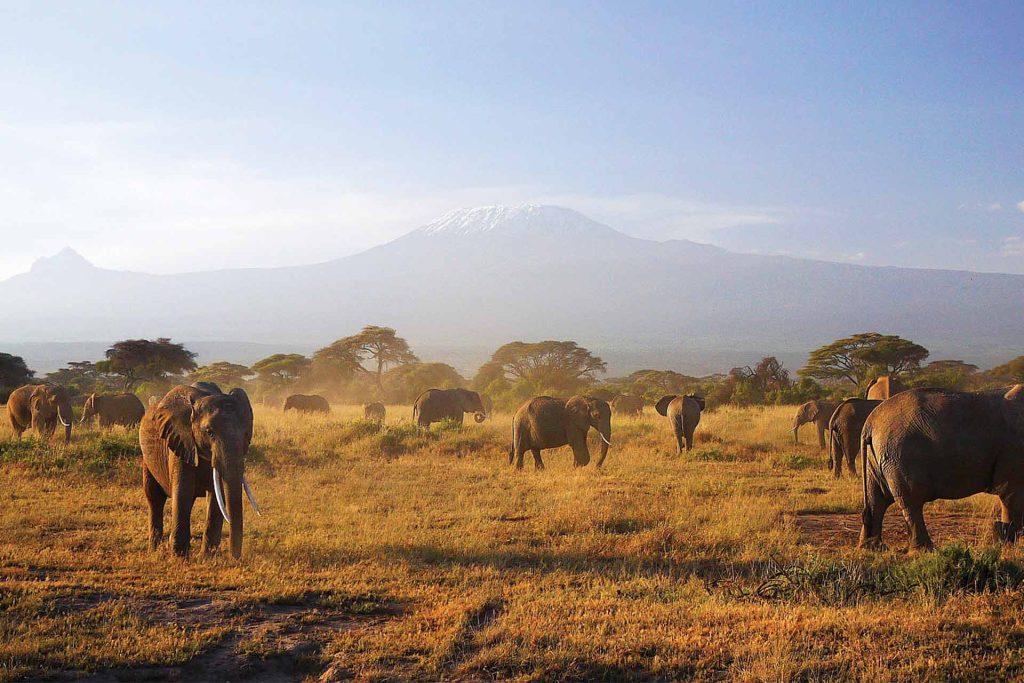
Amboseli National Park sits on Kenya’s southern border with Tanzania, 220 km southeast of Nairobi. It protects over 1,200 highly habituated elephants against the backdrop of Mount Kilimanjaro’s 5,895m snow-capped peak — producing some of the most iconic wildlife photography in Africa. The combination of close elephant encounters and the mountain view is available nowhere else on the continent.
Masai Mara National Reserve

The Masai Mara is a 1,510 km² wildlife reserve in southwestern Kenya, forming the northern section of the Serengeti-Mara ecosystem. It holds the highest year-round concentration of predators in Africa and the annual Great Migration — over 1.5 million wildebeest crossing between Tanzania and Kenya from July to October. Kenya’s most celebrated safari destination and one of the world’s great wildlife areas.
Meru National Park

Meru National Park is a 1,810 km² wilderness in central Kenya, 348 km northeast of Nairobi on the eastern slopes of Mount Kenya. The setting of Joy Adamson’s Born Free — where Elsa the lioness was raised and released — it is one of Kenya’s most unspoiled parks: all of the Big Five, a 44 km² rhino sanctuary, northern-specialist wildlife, and visitor numbers so low that encounters are entirely private. Not a park for ticking off Big Five boxes — a park for those who want genuine African wilderness.
Nairobi
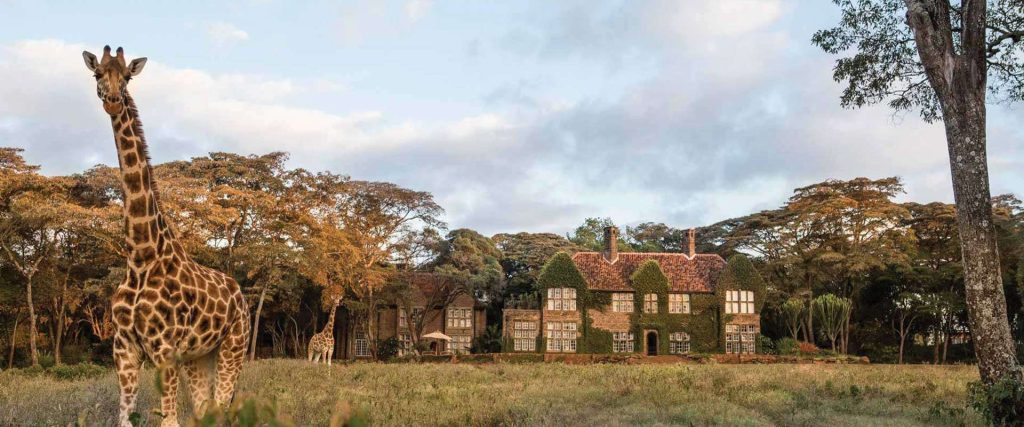
Nairobi is the entry point for most East Africa safaris and a genuinely engaging city in its own right. Home to 4.3 million people, Jomo Kenyatta International Airport, and Nairobi National Park on its doorstep, it blends a modern African capital with wildlife, history, and culture. Most visitors spend at least one night here — and a full day rewards proper exploration.
Nairobi National Park

Nairobi National Park is Kenya’s oldest national park, established in 1946 just 7 km from the city centre. It covers 117 km² of open plains, rocky ridges, and riverine forest — home to four of the Big Five, black rhino, lion, cheetah, and over 400 bird species. It is the only national park in the world where you can photograph wildlife against a capital city skyline.
Samburu National Reserve
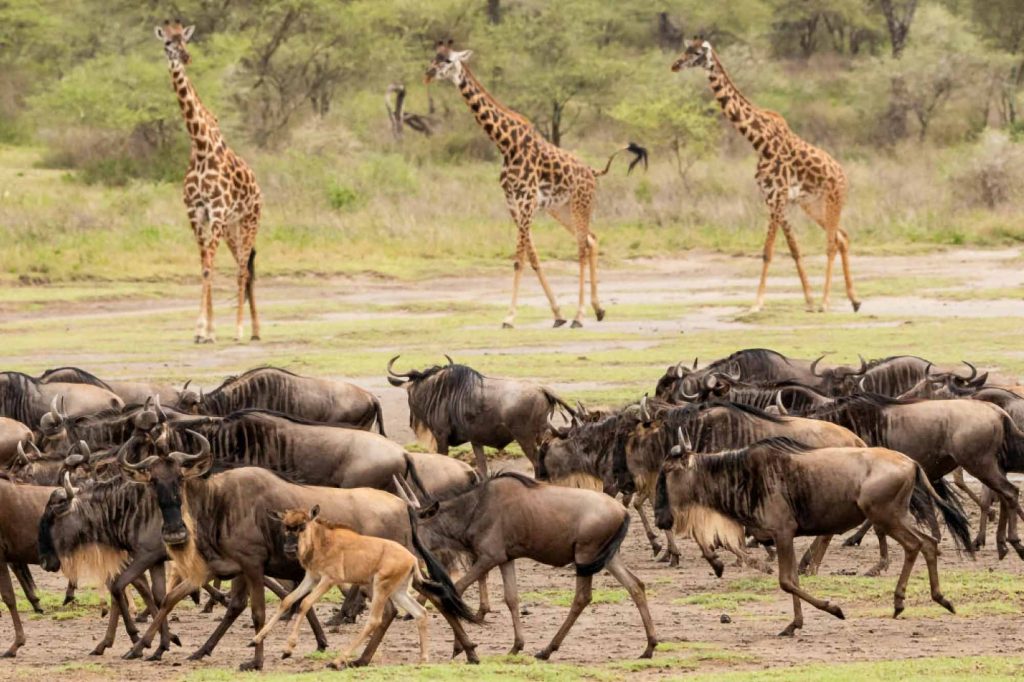
Samburu National Reserve sits on the banks of the Ewaso Ng’iro River in Kenya’s remote north, approximately 5 hours from Nairobi. It is home to the Samburu Special Five — species found nowhere else in Kenya’s southern parks — set against a dramatic landscape of doum palms, dry acacia, and arid red plains. One of Kenya’s most rewarding off-the-beaten-track safari destinations.
Tsavo East & West National Parks

Tsavo is Kenya’s largest protected wildlife area — 22,000 km² split between Tsavo East and Tsavo West, stretching from the Nairobi-Mombasa highway to the Tanzania border. Known for its red elephants, dramatic landscapes, and relative solitude compared to the Masai Mara, it combines the arid open plains of the east with the volcanic hills and crystal springs of the west. A natural addition to any Kenya coast or Amboseli safari.
Kenya safaris can be enjoyed year-round — but the best time to visit depends on what you want to see and your budget.
Peak season runs January to March and June to September, offering dry conditions, excellent game viewing, and the chance to witness the Great Migration in the Masai Mara (mid-August to late October). Shoulder and green season (mid-March to June and October to December) brings fewer crowds, lush landscapes, lower rates, and excellent bird watching — though some roads become challenging.
The coast is hot and humid throughout the year. Avoid mid-March to late May on the Kenyan coast when temperatures and rainfall peak.
Dry, warm conditions across the parks make this one of the best periods for general game viewing. Wildebeest calving takes place in Tanzania’s Serengeti during February, which draws predators and makes the ecosystem highly active. Masai Mara and Amboseli are particularly productive. Beach conditions on the coast are excellent at this time.
The long rains fall from April through May, bringing lush green landscapes and far fewer visitors. Park fees and lodge rates are typically lower, making this a good period for budget or mid-range Kenya safaris. Wildlife is still present but can be harder to spot in dense vegetation. The second half of June marks the transition to dry season and conditions improve quickly.
October Content: This is peak safari season in Kenya. Dry conditions concentrate wildlife around waterholes and river systems, making game viewing outstanding across all major parks. Mid-August to late October is the prime window to witness the Masai Mara wildebeest migration and the iconic Mara River crossings. Book lodges well in advance — this is Kenya’s busiest and most sought-after period.
November – December Content: The short rains arrive in November, typically lighter and less disruptive than the long rains. Many lodges offer competitive rates and the parks are quieter. Wildlife viewing remains very good, particularly for elephants in Amboseli and predators in the Mara. December brings drier conditions and rising visitor numbers as the festive travel season begins.
Entry Requirements & Kenya ETA Visa Kenya is visa-free for all nationalities as of January 2024. In place of a visa, all visitors (except East African Community nationals) must obtain an Electronic Travel Authorisation (ETA) before arrival at etakenya.go.ke. Apply at least 3 days before departure. The ETA costs $30 and requires a valid passport and a credit or debit card for payment.
Getting There Most international flights land at Jomo Kenyatta International Airport (NBO) in Nairobi, with additional international connections through Moi International Airport (MBA) in Mombasa. Direct flights are available with Kenya Airways, British Airways, and Virgin Atlantic from major hubs.
Domestic safari transfers operate via small aircraft from Nairobi’s Wilson Airport (WIL), with regular scheduled flights to Masai Mara, Amboseli, Samburu, and other airstrips. Baggage on domestic flights is limited to 15 kg per person in soft-sided bags.
Self-drive safaris are possible using 4WD hire (from around $110/day, plus $20/day for a driver), though road conditions in some parks can significantly extend journey times. Nairobi to the Masai Mara is approximately 240 km and takes around five hours by road.
Kenya Safari Cost Kenya safaris suit a wide range of budgets:
| Category | Camps & Lodges (per person/night) | Safari Vehicle (per day) |
|---|---|---|
| Budget | $100–$250 | $100–$150 |
| Mid-range | $251–$600 | $151–$250 |
| High-end | $600+ | $250+ |
Most lodges are priced on an all-inclusive full-board basis. Park fees ($40–$100 per day) may or may not be included — confirm before booking.
Health & Vaccinations Consult your healthcare provider before travel. Yellow fever vaccination is required if arriving from a country with transmission risk. Malaria prophylactics are recommended for most safari areas — risk is higher in rural and lowland regions. Pack sunscreen and DEET-based insect repellent. Ensure your travel insurance includes medical evacuation; the AMREF Flying Doctors service operates 24/7 from Nairobi’s Wilson Airport across the region.
Money The official currency is the Kenyan shilling (KSH). USD is widely accepted at safari lodges and hotels. Major credit cards (Visa, Mastercard) are accepted in cities; carry local currency for smaller purchases. Tip your safari guide approximately $10–$15 per person per day.
Connectivity Wi-Fi is available at most hotels and lodges in Nairobi and the coast. Remote safari camps may have limited or no connectivity. Local SIM cards (Safaricom, Airtel, Telkom) are inexpensive and easy to purchase for data access.




Kenya Safari Packages
Tailor-Made Kenya Itineraries
Our Kenya safari packages range from classic Big Five game drives in the Masai Mara to extended itineraries combining wildlife, coast, and culture. Whether you’re planning a family safari, a Kenya honeymoon safari, or combining Kenya with gorilla trekking in Uganda, our tailor-made safaris are designed around your travel style, dates, and budget. Browse our featured itineraries below to start planning your Kenya safari vacation.

13-Day Classic Luxury Safari in Kenya

10-Day Bwindi & Masai Mara Safari Adventure — Uganda & Kenya

11-Day Ultimate Kenya Family Safari Vacation
12-Day Best of Kenya Wildlife Safari
Some of Our
Frequently Asked Questions
The best time to witness the Masai Mara wildebeest migration is between mid-August and late October, when the herds are in Kenya and crossing the Mara River. There is no wildebeest movement in the Masai Mara from January through to June.
Kenya introduced an Electronic Travel Authorisation (ETA) system in January 2024, replacing all previous visa requirements. All visitors (except East African Community nationals) must apply online at etakenya.go.ke at least three days before arrival. The fee is $30 USD.
Yes — Kenya is widely considered one of the best destinations for a first-time safari in Africa. Excellent wildlife infrastructure, English widely spoken, reliable domestic air connections, and diverse experiences across wildlife, coast, and culture make it highly accessible and rewarding for first-time visitors.
Absolutely. A Kenya beach and safari holiday is one of the most popular combinations in East Africa. After your inland game drives, fly or drive to Mombasa or Diani Beach for a few days on the Indian Ocean coast. Mombasa airport makes this transition simple and quick.
Kenya safari costs vary considerably by travel style. Budget safaris with shared vehicles and mid-range lodges can start from around $200–$250 per person per night all-inclusive. Luxury Kenya safari packages at high-end tented camps typically cost $600 or more per person per night. We build tailor-made itineraries to suit your budget.
Yes. Kenya is well positioned for a combined Kenya and Uganda gorilla trekking safari. Direct regional flights connect Nairobi to Entebbe (Uganda) and Kigali (Rwanda), making it practical to pair a Masai Mara safari with a mountain gorilla experience in Bwindi Impenetrable Forest or Volcanoes National Park.
Testimonials
