
Tanzania's Great Wilderness
Serengeti National Park
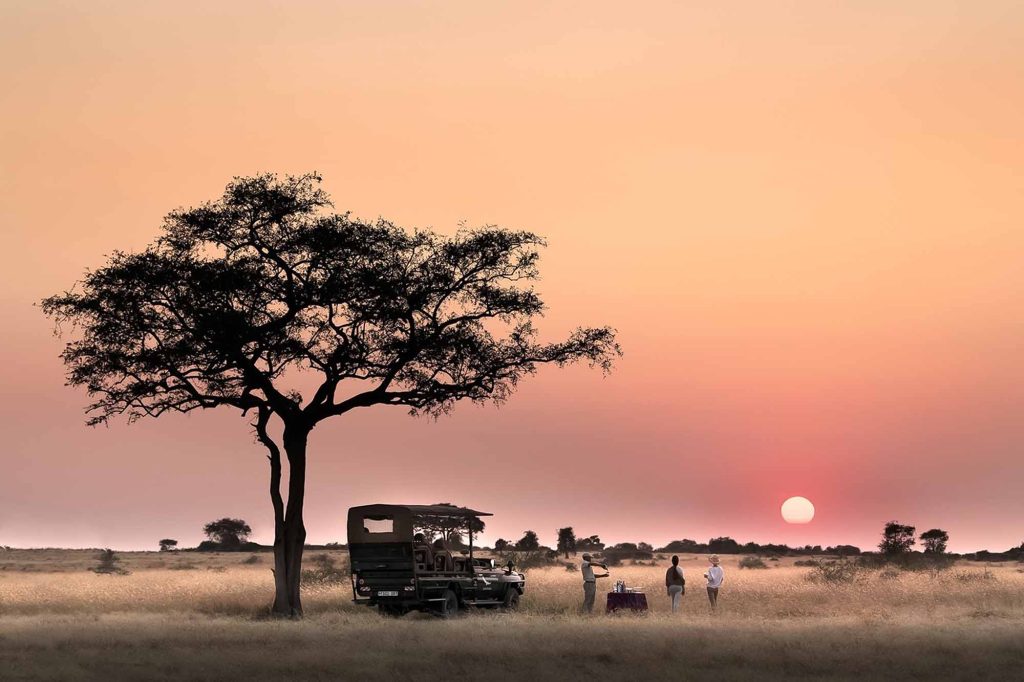
Serengeti National Park is a 15,000 km² UNESCO World Heritage Site in northern Tanzania — the world’s most celebrated wildlife destination. Home to the Great Migration of over 1.5 million wildebeest and 250,000 zebra, and the best place on earth to see lion, leopard, and cheetah together, it forms the Tanzanian heart of the Serengeti-Mara ecosystem shared with Kenya’s Masai Mara. Three days is the minimum for a first visit; flying in is strongly recommended.

The Serengeti is the benchmark against which every other African safari destination is measured. Its 15,000 km² of open savannah, acacia woodland, riverine forest, and kopje-studded plains support some of the most abundant large mammal populations remaining on earth — all of it spread across a landscape so vast and so untouched that the sense of scale alone is part of the experience.
The three big cats in one park. The Serengeti is the best place on the planet to see lion, leopard, and cheetah in a single safari. The prey density — wildebeest, zebra, Thomson’s and Grant’s gazelle, impala, topi, eland, and buffalo — sustains predator populations large enough that big cat sightings are consistent year-round, not seasonal luck.
The Great Migration. Over 1.5 million wildebeest and 250,000 zebra follow a year-round clockwise circuit through the Serengeti-Mara ecosystem. The dramatic Grumeti and Mara River crossings — when massive herds surge through crocodile-filled water — are the most sought-after wildlife event in Africa. The calving season (January to February on the southern Serengeti plains) is the other unmissable window: up to 8,000 calves born daily, with every predator in the ecosystem converging on the feast.
Where to position for the migration:
- January–March: Southern Serengeti (Ndutu area) — calving season, predator action
- April–May: Central and Western corridors — herds moving north
- June–July: Western corridor, Grumeti River crossings
- August–October: Northern Serengeti — Mara River crossings; peak drama
- November–December: Herds move south again through central and eastern Serengeti
Year-round wildlife regardless of migration position: elephant, giraffe, hippo, Nile crocodile, hyena, jackal, bat-eared fox, over 500 bird species including the Rufous-tailed weaver (endemic to northern Tanzania), and raptor diversity that is exceptional year-round.
The Serengeti is excellent year-round — the migration is always somewhere in the ecosystem and resident wildlife is present in every season. The question is which migration event you want to witness and where to position your camp.
Dry season (late June to October) is peak season and the most popular window — the Mara River crossings are in full swing in the north, wildlife congregates around water, vegetation is lower for clearer sightlines, and conditions for photography and game drives are at their most reliable. This is also the most expensive and most visited window.
Calving season (January to February) is the Serengeti’s most underrated window — enormous herds on the southern plains, spectacular predator action, and significantly fewer vehicles than the July–September peak.
Wet season (March to May and November) brings lush landscapes, excellent birding, and lower accommodation rates. Some roads become challenging after rain. The migration is moving rather than crossing during much of this window.
Peak season and the Mara River crossing window. Northern Serengeti sees the highest concentration of wildebeest in the ecosystem during August and September. All three big cats are reliably encountered year-round. Highest visitor numbers and accommodation rates — book 6–12 months ahead for the most popular camps in the northern Serengeti. Dry roads and excellent game drive conditions throughout.
Calving season on the southern plains (Ndutu). Up to 8,000 wildebeest calves born daily — and every predator in the ecosystem follows. Often described by experienced safari-goers as the most exciting wildlife event in Africa. Lower visitor numbers than peak season. Significantly lower rates at many lodges. Strongly recommended for photographers and first-timers who want predator action without peak crowds.
Wet seasons. Lush and photogenic, with excellent birding as migratory species arrive. The migration is moving through the western corridor and central Serengeti. Some camps close or move during this period — confirm availability. Rates are lowest. Not recommended for first-timers whose primary goal is a river crossing, but excellent for travellers who prioritise solitude and value.
Getting here: Flying is strongly recommended. The overland drive from Arusha is 325 km (approximately 8 hours on largely dirt roads) — practical for road-based circuits but not the best use of Serengeti time. Scheduled and charter flights from Arusha to multiple Serengeti airstrips (Seronera, Grumeti, Kogatende in the north, and others) take approximately 1 hour. Flights also connect from Lake Manyara, Mwanza, and Dar es Salaam. Your lodge handles airstrip transfers. A popular option is to fly into the Serengeti and drive back via Ngorongoro — combining aerial scale with the crater experience on the return.
Entry fees (foreign non-residents, approximate — confirm at booking):
- Park entry: $60 per person per day (adults); $20 for children aged 5–15, excluding VAT
- Night drive and walking safari fees are additional
Minimum stay: 3 days for a first visit. Longer is better — 4–5 days gives proper time to follow the migration, experience multiple game drive sessions, and avoid feeling that every hour is compressed.
Accommodation — key options across price tiers:
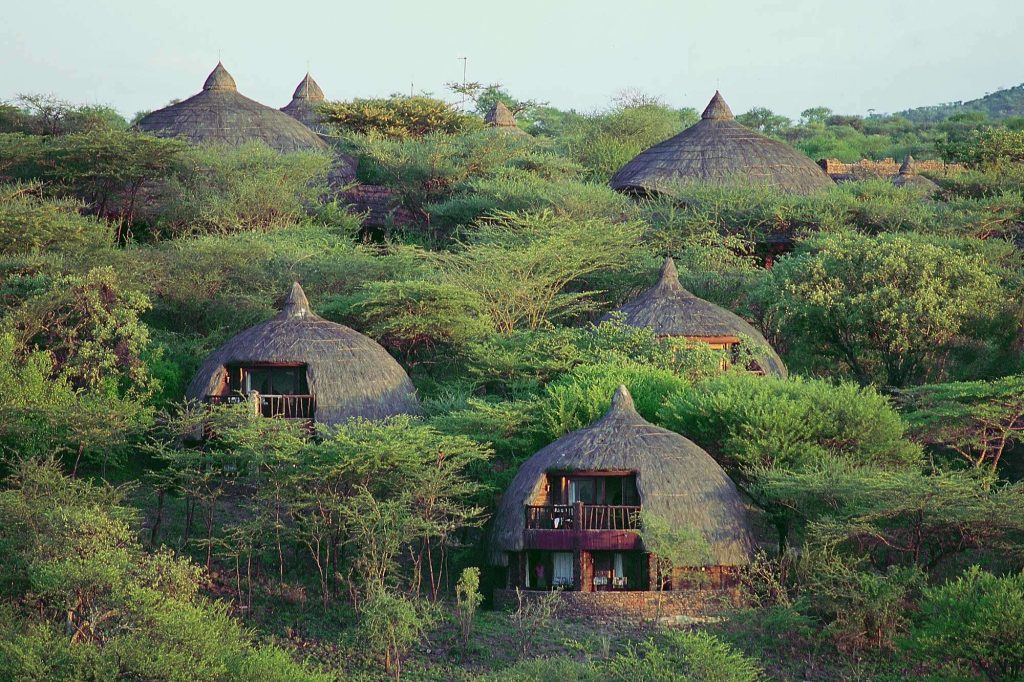
- Serengeti Serena Safari Lodge (from $329 all meals) — central Serengeti; hill position with plains views; large hotel character; good for hot air ballooning
- Olakira Migration Camp (from $842 all-inclusive) — mobile camp following the migration; outstanding guides; river crossing access
- Klein’s Camp (from $850 all-inclusive) — Kuka Hills; panoramic Grumeti Valley views; intimate; 3 hours from north
- Serengeti Migration Camp (from $924 all meals) — northeast Serengeti; Ndasiata Hills; Elewana Collection; 360° veranda
- Serengeti Under Canvas (from $1,240 all-inclusive) — mobile camp; authentic; southern migration focus; &Beyond
- Grumeti River Camp (from $1,080 all-inclusive) — western corridor; hippo river views; hot air ballooning nearby
- Sabora Luxury Tented Camp (from $1,670 all-inclusive) — Grumeti Reserve; luxurious silk-curtained tents; private concession
- Singita Faru Faru River Lodge (from $1,820 all-inclusive) — contemporary luxury; two pools; private concession
- Singita Mara River Camp (from $1,785 all-inclusive) — northern Serengeti; Mara River views; top property for crossing season
- Sasakwa Lodge (from $2,045 all-inclusive) — Grumeti Reserve; colonial 1920s style; 350,000-acre private concession
- Four Seasons Safari Lodge (from $1,685 all meals) — central Serengeti; five-star amenities; large hotel format; elephant at the pool
All rates are approximate starting prices — confirm current pricing and seasons at booking.






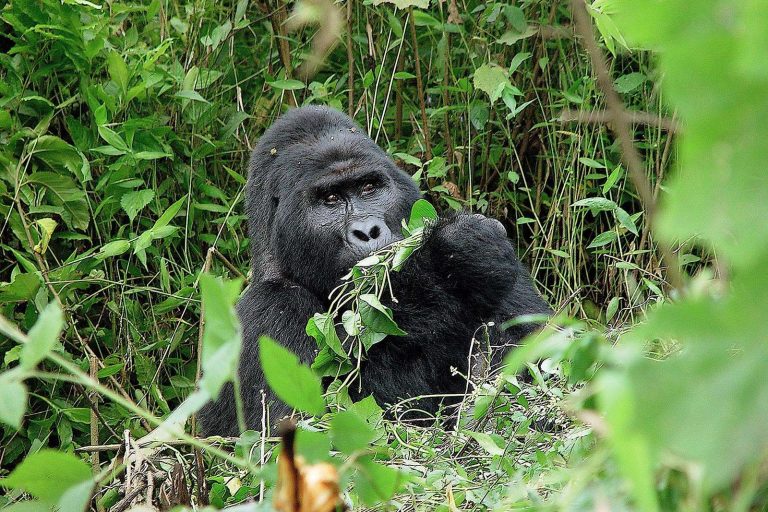
10-Day Gorillas & Serengeti Safari — Uganda & Tanzania

11-Day Uganda Birding & Gorilla Trekking Safari

7-Day Serengeti & Ngorongoro Wilderness Safari

9-Day Serengeti & Zanzibar Tanzania Safari
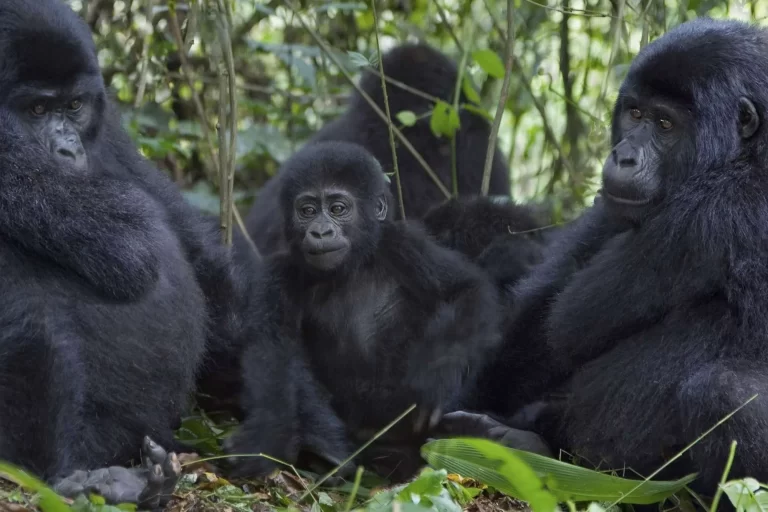
9-Day Tanzania & Rwanda Luxury Safari — Gorillas and the Serengeti

9-Day Treasures of Tanzania Safari
Some of Our
Frequently Asked Questions
The Great Migration moves through the Serengeti year-round. The most dramatic events are the Mara River crossings (August to October, northern Serengeti) and the calving season (January to February, southern Serengeti near Ndutu). The crossings involve wildebeest surging through crocodile-filled rivers in massive, unpredictable events — no crossing is guaranteed on any given day. The calving season is equally spectacular: up to 8,000 calves born daily, with lion, cheetah, leopard, and hyena converging on the southern plains. For first-timers wanting the best combination of migration action and manageable costs, January–February or August–September are both strong windows.
Three nights is the minimum for a first visit — enough for two full days of game drives and a reasonable chance of witnessing migration activity. Four to five nights is better, particularly if witnessing a river crossing is a priority (crossings are unpredictable and multiple days near the river significantly improve the odds). Longer stays also allow for hot air balloon safaris, night drives, and guided walks without the pressure of every game drive feeling compressed.
Fly. The overland drive from Arusha is 325 km on largely dirt roads and takes approximately 8 hours each way. On a 5-day Serengeti trip, that is two days in a vehicle with nothing to show for them. Scheduled flights from Arusha take approximately one hour and set you down near your camp or at a central airstrip. Flying also gives an aerial view of the landscape that immediately conveys the scale of the Serengeti in a way no photograph can. The drive is viable for road-based northern circuit itineraries but flying is strongly recommended for any standalone Serengeti trip.
Park entry fees are approximately $60 per person per day for foreign non-residents and $20 for children aged 5–15, excluding VAT. These should be included in your operator’s package — confirm before booking. Night drive and walking safari fees are charged separately. TANAPA fees are subject to periodic revision; confirm current rates at booking.
Fixed camps and lodges stay in one location year-round — you choose your camp based on where the migration is likely to be for your dates. Mobile camps follow the migration through the ecosystem, repositioning their entire camp structure seasonally to stay near the herds. Mobile camps offer a more authentic, less permanent bush experience and are generally better positioned for migration events at any given time, but logistics are more complex and facilities are more basic. The best Serengeti strategy for migration-focused travellers is often to book a mobile camp or a northern fixed camp (Singita Mara River, Olakira) for the August–October crossing window.
Yes — this is one of East Africa’s most popular two-country combinations. The 10-Day Gorillas and Serengeti Safari covers Bwindi gorilla trekking and the Serengeti in a single Uganda-Tanzania trip connected by regional flights. Tanzania’s northern circuit (Lake Manyara, Ngorongoro, Serengeti) can also be combined with Rwanda gorilla trekking via the 9-Day Ultimate Tanzania and Rwanda Luxury Safari.
Testimonials
