
11-Day Uganda Birding & Gorilla Trekking Safari


Overview
Uganda holds more than 1,050 recorded bird species — more than the whole of Europe — in an unusually compact and accessible range of habitats. This 11-day birding tour threads together the country’s five most productive birdwatching zones in a logical southwest-looping route, led by a specialist English-speaking birding guide throughout.
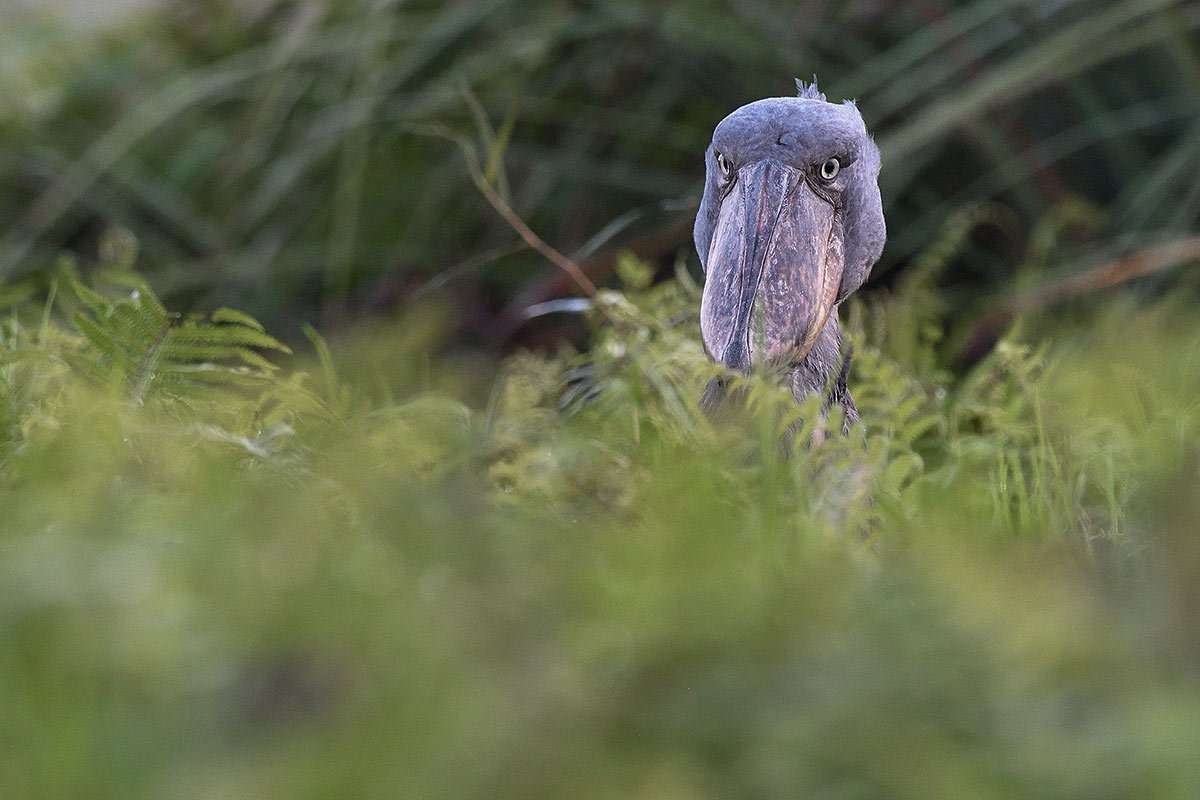
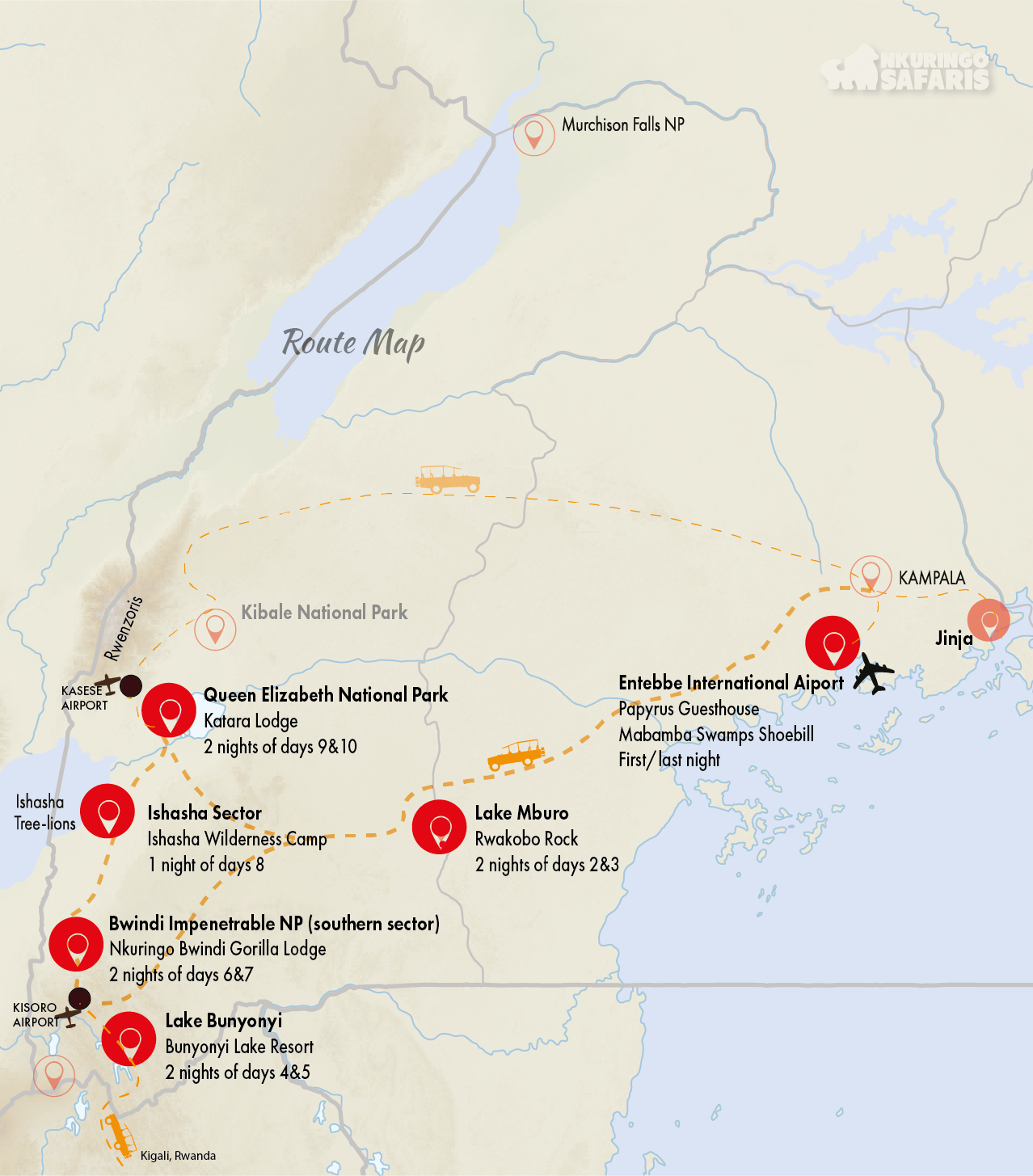
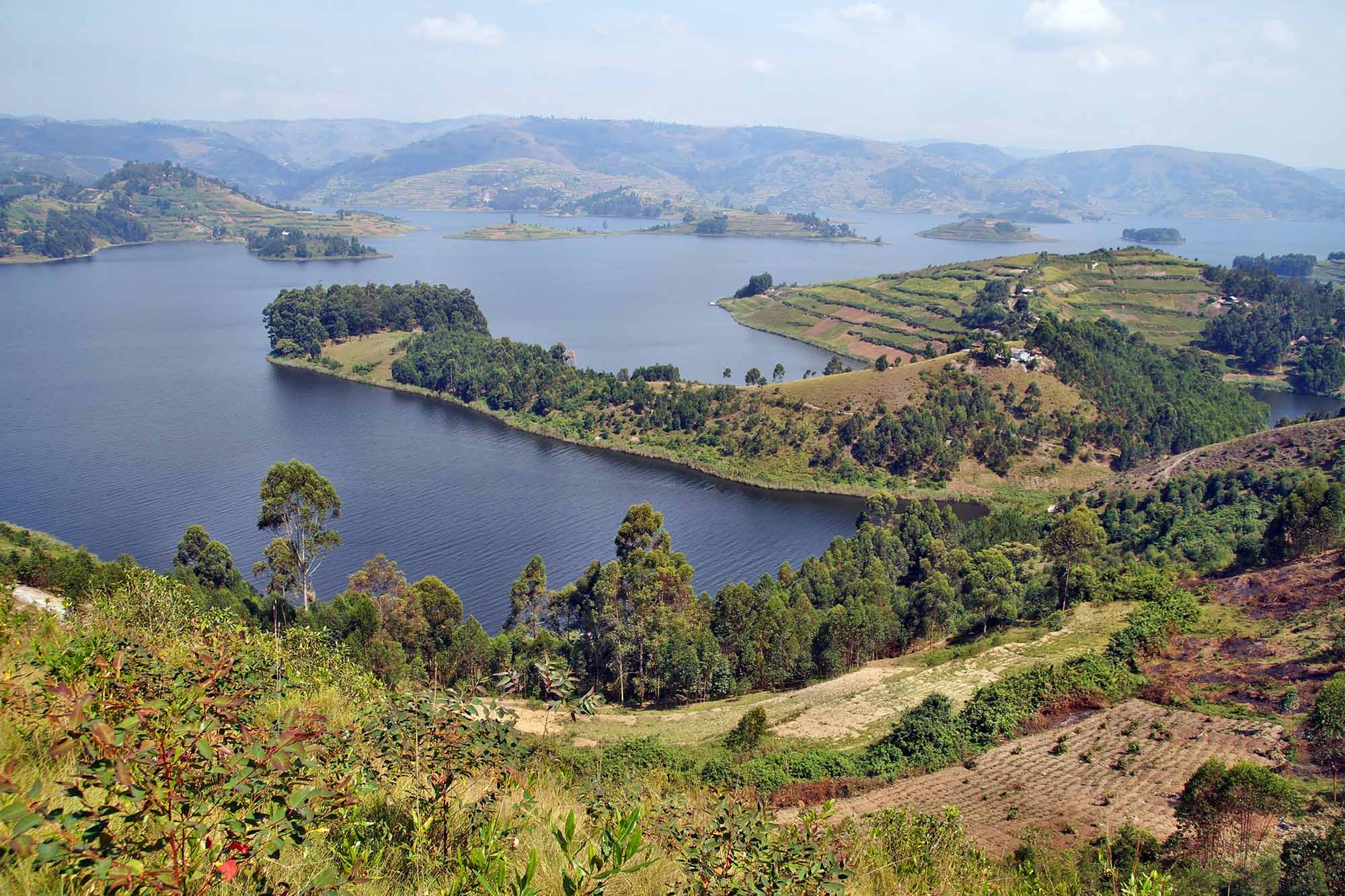
The trip opens in Entebbe with the shoebill — Uganda’s most sought-after species, reliably found in the papyrus swamps of Mabamba on Lake Victoria’s shore. From there the route moves west to Lake Mburo National Park for acacia-woodland species and papyrus endemics, then to Lake Bunyonyi — rated one of Uganda’s richest bird habitats, with over 200 recorded species around its island-dotted waters. The Bwindi sector adds two days in some of Africa’s best montane-forest birding, including 23 Albertine Rift endemics and up to 14 species found nowhere else in Uganda, before the gorilla trek itself — a single permit allowing one hour with a habituated mountain gorilla family in the Nkuringo sector.
The final three days move through the Ishasha sector of Queen Elizabeth National Park and north along the park’s savannah and wetland zones, including the Maramagambo Forest, the Katwe salt lakes, and a Kazinga Channel boat cruise — one of the most bird-productive two hours in East Africa.
It suits dedicated birders wanting a structured, expert-guided list-building trip across Uganda’s core habitats, with the gorilla trek as a standalone highlight that doesn’t compromise the birding focus.
Key Information:
- Duration: 11 days
- Departure Location: Entebbe International Airport
- Trip Type: Tailor-made / Physical activity level

Uganda's range of habitats in a single trip is unmatched. You can go from Lake Victoria papyrus to montane forest to savannah wetlands in under a week — and pick up species in each zone that you simply can't see anywhere else in Africa.
Highlights
- Shoebill tracking at Mabamba Wetland by canoe, two attempts (Day 1 and Day 2)
- Acacia and papyrus endemics at Lake Mburo, including papyrus gonolek and blue-headed coucal
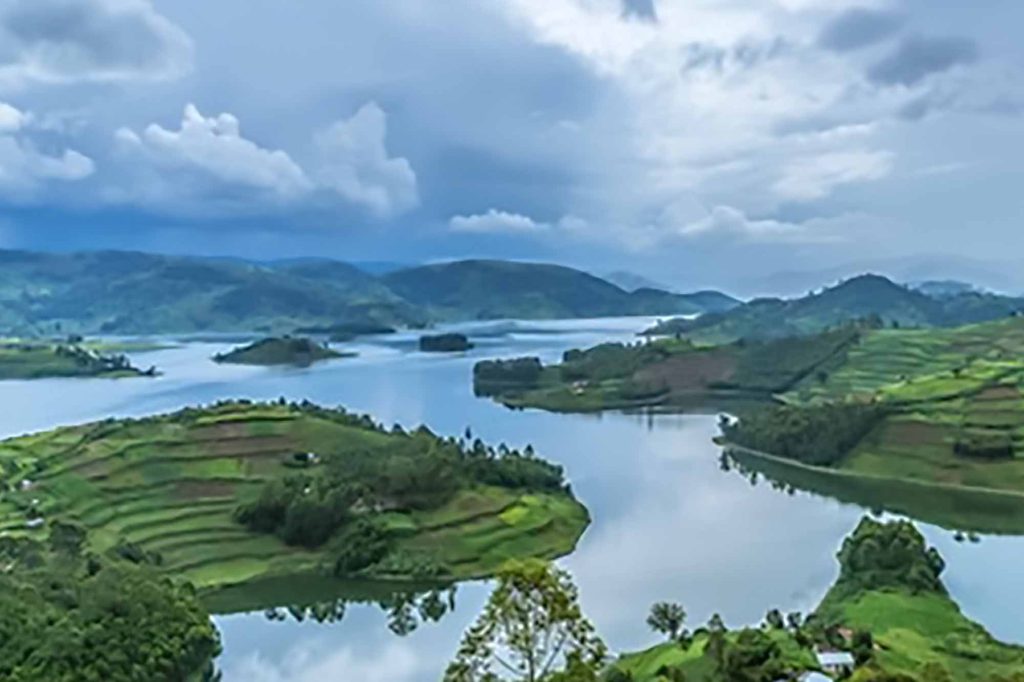
- Lake Bunyonyi boat birding — over 200 recorded species across islands and nyombi swamps
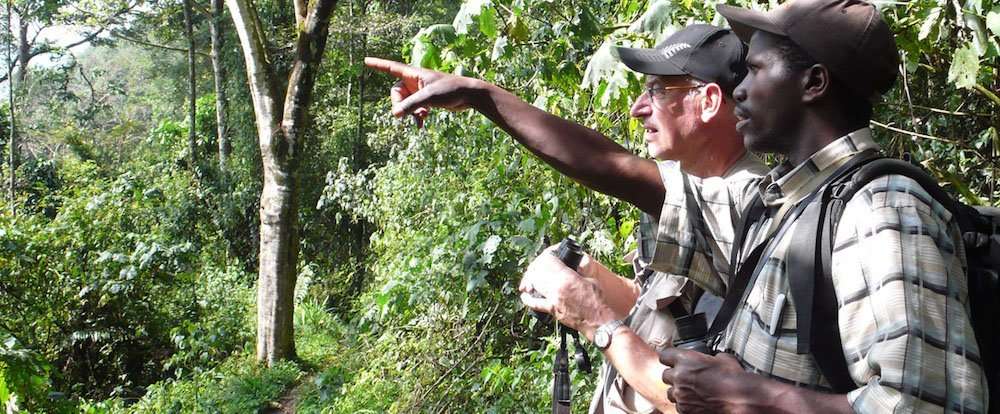
- Bwindi Kashasha Trail — 23 Albertine Rift endemics, 90% of all Albertine Rift endemic species
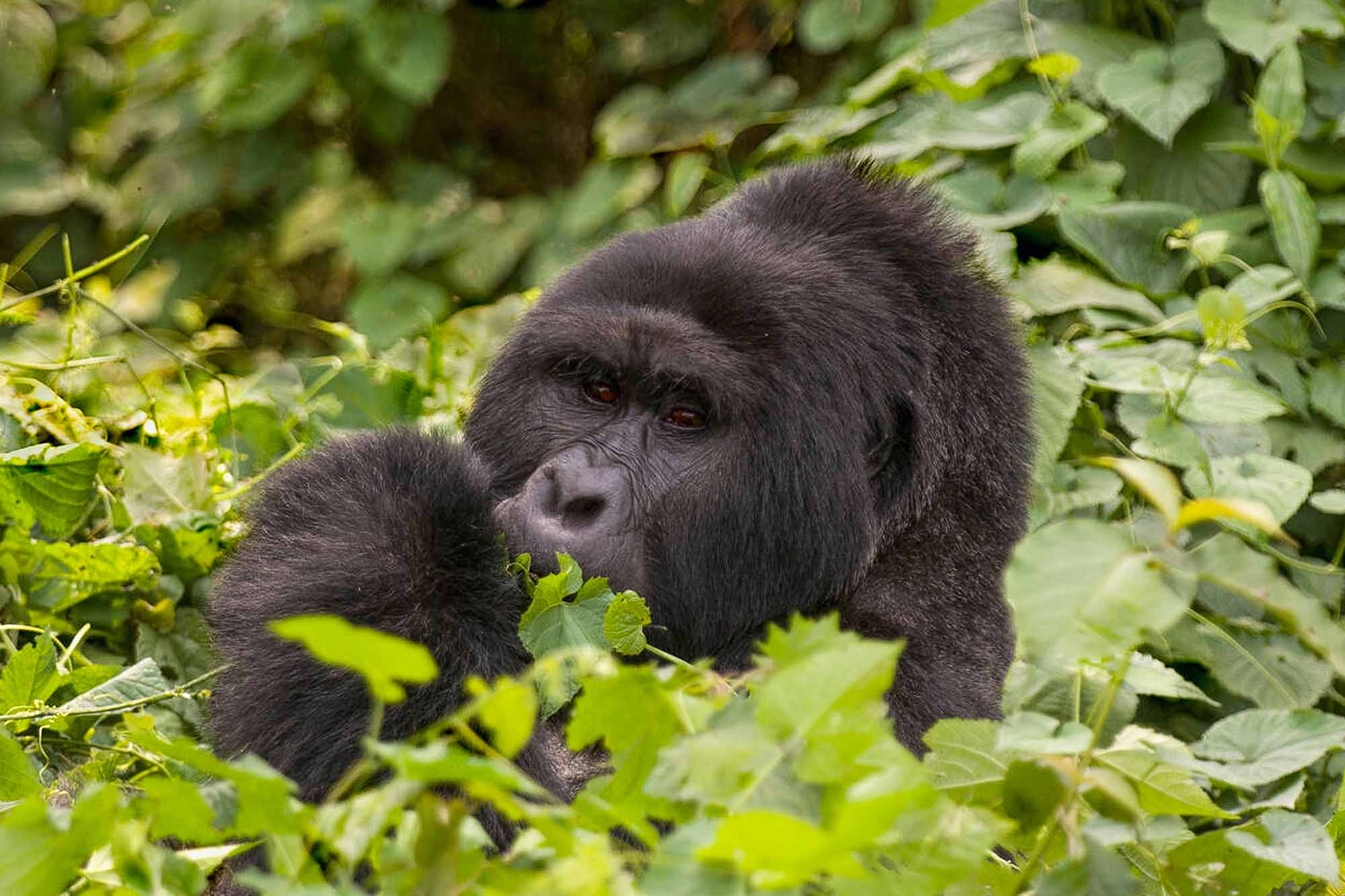
- Mountain gorilla trek in Bwindi’s Nkuringo sector
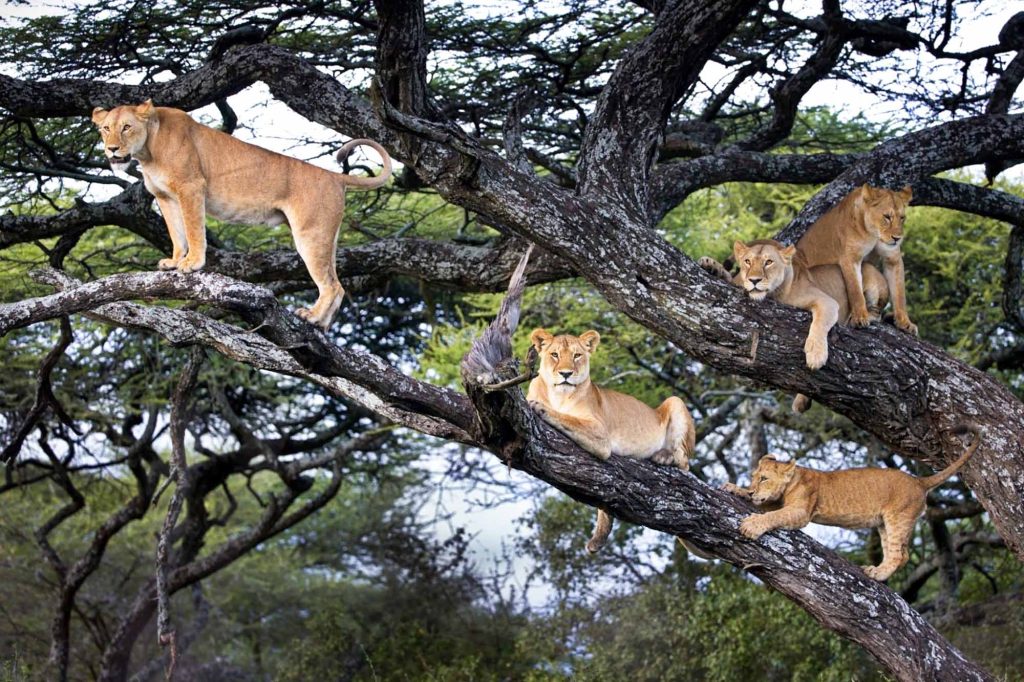
- Tree-climbing lions and savannah birding in the Ishasha sector
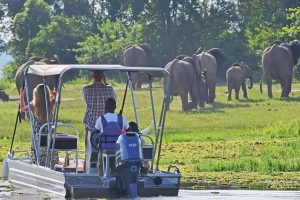
- Kazinga Channel boat cruise — shoebill, saddle-billed stork, pelicans, and prolific waterbirds

General Information
Uganda’s extraordinary bird diversity stems from its position at the intersection of three major African biomes — the East African savannah, the Congo Basin rainforest, and the Albertine Rift montane zone. This overlap creates a habitat range that few other countries can match: lowland papyrus swamps, highland forest, savannah woodland, crater lakes, and the afromontane forests of the western Rift all within a country roughly the size of the UK.
The Albertine Rift — the western branch of the East African Rift Valley — is particularly significant for birdwatchers. The rift’s isolation over millions of years has produced a high number of endemic and near-endemic species, many of which are found nowhere outside Uganda, Rwanda, the DRC, and Burundi. Bwindi Impenetrable Forest alone holds 90% of all known Albertine Rift endemics within its trails. Queen Elizabeth National Park, straddling both savannah and forest zones, adds a further layer of diversity with over 600 recorded species.
The shoebill — one of Africa’s most iconic and prehistoric-looking birds — is Uganda’s flagship species for birdwatchers. Its stronghold is the papyrus swamps of Mabamba on Lake Victoria, reachable within 45 minutes of Entebbe airport, making Uganda one of the most accessible places on earth to see this bird in the wild.
What's Included?
- Accommodation in mid-range lodges throughout, meals as indicated
- 1 mountain gorilla trekking permit ($800)
- Park entrance fees for all parks visited
- All excursions and activities as listed in the itinerary
- Professional English-speaking specialist birding guide throughout
- Ground transport and transfers in a 4×4 safari Land Cruiser
- AMREF emergency evacuation insurance cover
- Government taxes
- International flights to/from Entebbe
- Travel insurance (required — not provided)
- Uganda tourist visa costs and processing
- Extra activities and meals not listed in the itinerary
- Service tips, gratuities, souvenirs, and snacks
- Accommodation after the end of the trip
- Extra luggage on any domestic flight connections
Detailed
Itinerary
This 11-day itinerary is structured around Uganda’s five core birdwatching habitats, visited in a logical southwest loop from Entebbe. Each stop builds on the last — opening with the wetland specialists around Lake Victoria, shifting to savannah and papyrus endemics at Lake Mburo, then to the highland montane species around Lake Bunyonyi and Bwindi, before moving through the Ishasha sector’s forest-savannah transition and finishing with the full diversity of Queen Elizabeth’s wetlands and woodland.
The Bwindi gorilla trek sits at the trip’s midpoint — a single dedicated day that punctuates the birding focus without disrupting it. The day before and after are both bird-rich Bwindi walking days, giving the forest the time it deserves.
The pace is physical but manageable — most days involve a combination of early morning drives and guided walks of two to six hours, with afternoon drives or boat trips. The Kashasha Trail in Bwindi (Day 8) is the most demanding day physically, at four to six hours of montane forest walking.
Testimonials
What Our Travellers Say


Some of Our
Frequently Asked Questions
This is a physically active itinerary — listed as “Physical” on the trip profile. The Kashasha Trail in Bwindi (Day 8) involves four to six hours of montane forest walking on steep, uneven terrain. The gorilla trek (Day 7) can also range from one to six hours depending on the gorilla family’s location. Game drives and boat trips are passive. Travellers should be comfortable with extended walks in warm, humid conditions. Porters are available for hire on the gorilla trek day.
A realistic target for an experienced birder with a specialist guide across 11 days in these habitats is 400–600 species, depending on the time of year and conditions. The November–April period adds migratory species at Lake Bunyonyi and Bwindi, and early morning sessions in each habitat are where the density is highest. Your specialist guide will keep a running trip list throughout.
Yes, with some planning. The gorilla trek is an obvious standalone highlight for any traveller. The Kazinga Channel boat cruise, Ishasha tree-climbing lions, Lake Bunyonyi island boat trip, and the Bwindi community walk all deliver strong non-birding experiences alongside the bird focus. Discuss with the team at booking if you’d like to balance the itinerary for mixed groups.
Uganda’s birding is strong year-round, but the November to April period adds Palearctic and intra-African migratory species — particularly at Lake Bunyonyi and in the Bwindi forest — and generally increases species counts. The dry seasons (June–September and December–February) offer easier trail conditions in Bwindi and clearer views in the savannah parks. Avoid the peak wet months (April–May) for the Kashasha Trail specifically.
Briefing at the trekking centre at 7:30 am, followed by a guided trek into the Nkuringo sector of Bwindi of variable duration (one to six hours depending on gorilla movement). On finding the habituated family, you spend one hour with them at close range. Group size is limited to eight trekkers per family per day. The permit costs $800 per person and is included in the trip price. A gorilla trekking permit is required regardless of trek duration.
Yes. Kibale Forest National Park — Uganda’s best chimpanzee trekking destination and a strong birding site in its own right — is a natural addition, either before Bwindi or on the return to Entebbe. Murchison Falls adds northern savannah and Albert delta birding for dedicated listers. The trip can also be trimmed to focus on specific habitats for shorter visits.
