
Uganda's Remote Northern Wilderness
Kidepo Valley National Park
Kidepo Valley National Park is Uganda’s most remote national park — a semi-arid wilderness in the far northeast near the South Sudan border, as different from the western circuit parks as it is possible to get in a single country. It holds 20 predator species including cheetah, caracal, and wild dog, along with northern-specialist wildlife unavailable anywhere else in Uganda. Visitor numbers remain very low. Flying in is the most practical approach.

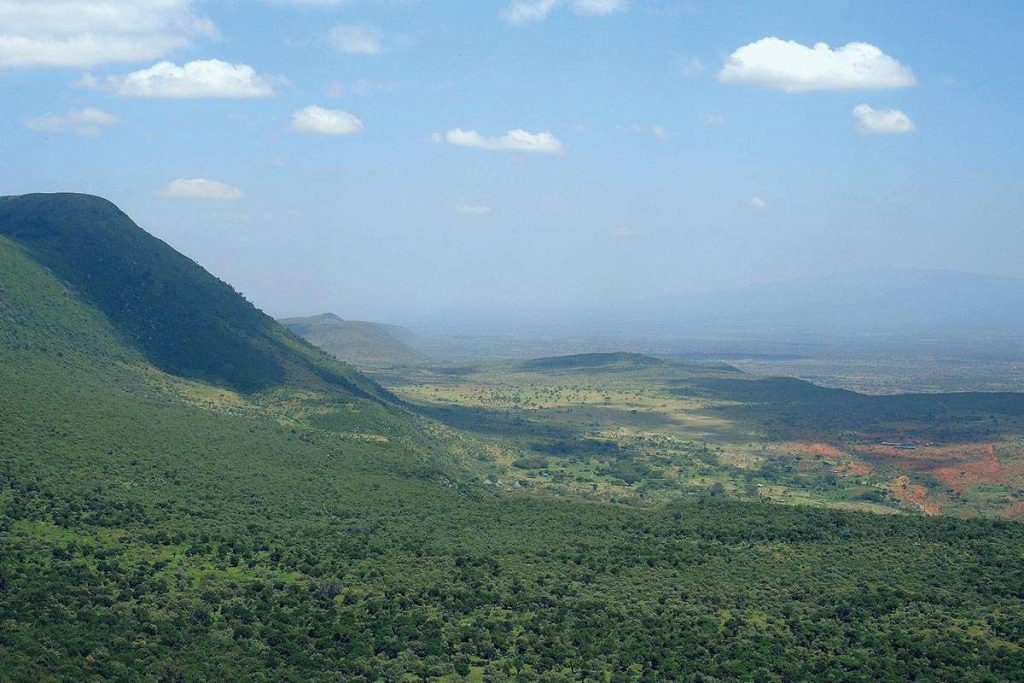
Kidepo is the park experienced Uganda safari travellers come back for. It is geographically, ecologically, and atmospherically unlike any other park in the country — a broad semi-arid valley framed by dramatic hill ranges, with wildlife that includes species not found in the western circuit parks and a visitor density so low that encounters are completely unencumbered by other vehicles.
The wildlife is the reason. Kidepo holds 20 predator species — the richest predator diversity of any Uganda park:
- Cheetah — reliably reported in the Narus Valley; one of the best sites in East Africa
- Caracal — present and more frequently seen here than almost anywhere else in Uganda
- Wild dog (African painted dog) — present but sightings are not guaranteed
- Lion, leopard, hyena, jackal, aardwolf, bat-eared fox — all present
- Rothschild’s giraffe — large herds in the Narus Valley
- Burchell’s zebra, elephant, buffalo, warthog, bushpig
Northern-specialist species found here and nowhere else in Uganda:
- Greater kudu, lesser kudu, Guenther’s dik-dik, mountain reedbuck
- Jackson’s hartebeest, Beisa oryx, patas monkey
- Ostrich and secretary bird on the open plains
463 bird species recorded — second only to Queen Elizabeth National Park in Uganda. 60 species recorded nowhere else in Uganda, including Karamoja Apalis, golden pipit, Abyssinian roller, dark chanting goshawk, pygmy falcon, carmine bee-eater, and 56 raptor species.
Cultural encounters are genuinely distinctive. The Karamojong — semi-nomadic Nilotic cattle herders whose traditional culture has remained remarkably intact in one of Uganda’s most remote regions — live around the park boundary. A guided visit to a Karamojong manyatta (kraal) is one of the most culturally substantive experiences available anywhere in Uganda. The smaller Ik community lives in the Morungole Mountains above the park — a remote group of subsistence farmers who have maintained their traditional highland lifestyle.
Kidepo has a different seasonal pattern from the rest of Uganda — one annual rainy season (March to April) rather than two, and a long dry season from December through to April that offers the most consistent and rewarding game viewing.
Best overall window: September to April — immediately after the rains through the long dry season. Wildlife concentrates in the Narus Valley around the seasonal water sources, game tracks are dry and accessible, and the Narus Valley game circuits are at their most productive.
Dry season (December to February) coincides with Uganda’s peak safari season and is the most visited Kidepo window — though visitor numbers here remain a fraction of western circuit parks even at peak.
Kidepo receives very few visitors at any time of year. You are unlikely to encounter other vehicles regardless of season.
Long dry season and peak safari season across Uganda. Best game viewing in the Narus Valley as wildlife concentrates around permanent water. Cheetah and giraffe sightings are most reliable. Clear skies and dry tracks. This window coincides with peak permit demand for gorilla trekking in Bwindi — if combining Kidepo with the western circuit, book the full itinerary well in advance.
Immediately after the short rains — vegetation greens but the Narus Valley remains productive for game viewing. The best birding window as migratory species are present. A good value option before the December–February peak. Still very few visitors.
March to April brings Kidepo’s rainy season — game tracks can become muddy, particularly in the Kidepo Valley. April and August offer mixed conditions. The dry season from June to August is the second peak window for wildlife. The Narus Valley remains the most consistently productive zone year-round.
Getting here: Kidepo is in Uganda’s far northeast, approximately 700 km from Entebbe. The overland route via Gulu and Kitgum from Murchison Falls takes approximately 7 hours by road. From Entebbe directly, the total journey is 10–11 hours. A domestic flight from Entebbe to Kidepo Airstrip near Apoka is strongly recommended — approximately 1.5–2 hours; available on scheduled and charter services. Flying eliminates a very long, tiring road day and is included in most Nkuringo Safaris Kidepo itineraries.
Best game viewing areas:
- Narus Valley — the prime game viewing zone; Kakine, Katurum, and Nagusokopire circuits meander through the valley’s wildlife-rich areas; this is where cheetah, giraffe, and elephant concentrate during the dry season
- Kidepo River valley — worth a dedicated drive; dry white sand river bed lined with Borassus palms; dry-country specialists including kudu, ostrich, secretary bird, and jackal
- Kanatarok Hot Springs — 30 km north of Apoka near the South Sudan border; minor attraction alongside the drive
Activities:
- Game drives — morning and afternoon on the Narus and Kidepo circuits
- Guided walking safaris — 3-mile Narus Valley walk (2–3 hours; excellent for birding) and a 9-mile ridge route to the Kidepo River and hot springs
- Cultural visits — Karamojong manyatta visits; Nakapelimoru (described as the largest traditional village in East Africa, on the Moroto–Kidepo road)
Accommodation:
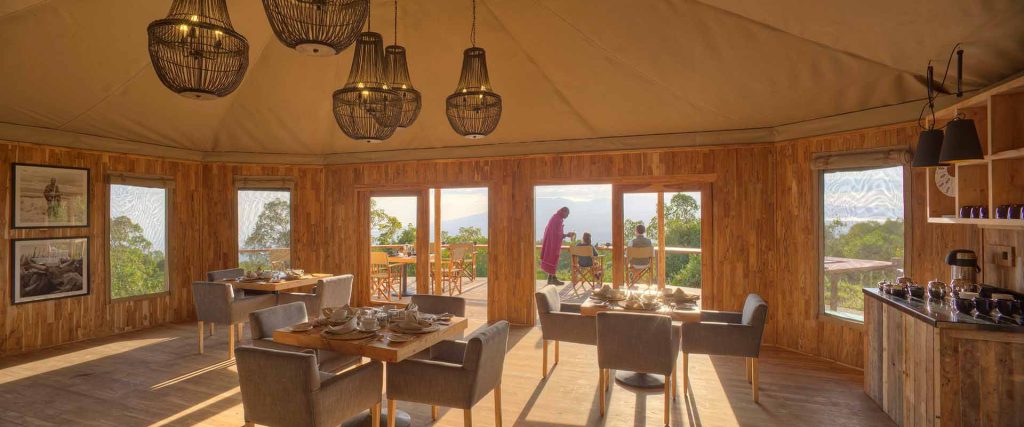
- Apoka Safari Lodge — luxury; on a kopje overlooking the Narus Valley; the finest accommodation in the park; classic safari atmosphere; recommended
- Kidepo Savannah Lodge — mid-range; park boundary
- Nga’Moru Wilderness Camp — mid-range; remote bush camp character
- Apoka Rest Camp — budget; Uganda Wildlife Authority facility; basic amenities
Health and practical: Standard Uganda health precautions apply — anti-malarial prophylaxis recommended; yellow fever vaccination required. Uganda e-visas at visas.immigration.go.ug. Kidepo is in a semi-arid zone — significantly hotter and drier than western Uganda parks. Carry significant water. The border with South Sudan is nearby but the park is entirely within Uganda and no cross-border activity is involved.






Some of Our
Frequently Asked Questions
Kidepo is in the semi-arid Karamoja highlands near the South Sudan border — a completely different ecosystem from the western circuit parks. The landscape is broad open savannah framed by dramatic hill ranges, the climate is hotter and drier, and the wildlife includes northern species unavailable elsewhere in Uganda: cheetah, caracal, greater and lesser kudu, Guenther’s dik-dik, and patas monkey. The park sees very few visitors — encounters with cheetah, giraffe, and the large predator population happen without other vehicles. The Karamojong cultural dimension is unlike anything available in western Uganda.
Yes — for travellers with sufficient time. Experienced Uganda safari visitors consistently describe Kidepo as the most memorable stop on any Uganda itinerary. The wilderness character, the predator density, the remoteness, and the cultural encounters combine in a way unavailable anywhere on the western circuit. The journey is the main practical consideration — flying in is strongly recommended, and 3 nights minimum is needed to justify the effort.
Flying is the most practical option. A domestic flight from Entebbe to Kidepo Airstrip near Apoka takes approximately 1.5–2 hours. Scheduled and charter flights are available; Nkuringo Safaris arranges all flights and airstrip transfers as part of any Kidepo itinerary. The overland drive from Entebbe takes approximately 10–11 hours; from Murchison Falls via Gulu and Kitgum, approximately 7 hours. The overland is practical if combining Kidepo with a northern Uganda circuit, but flying is recommended for standalone Kidepo visits.
The long dry season — December to April — is the best overall window. Wildlife concentrates in the Narus Valley around permanent water sources, game tracks are accessible, and cheetah and giraffe sightings are most consistent. September to November (immediately after the rains) is also strong for both wildlife and birding. Kidepo is productive year-round — visitor numbers are so low that even the wet season delivers good experiences without crowds.
The Karamojong are a Nilotic semi-nomadic pastoral people who live in Uganda’s northeast and whose cattle herding traditions, warrior culture, and distinctive beadwork have remained remarkably intact. They are the cultural counterpart to the Maasai in Kenya and Tanzania — but far less visited and considerably more remote. A guided visit to a Karamojong manyatta is a genuinely substantive cultural encounter, not a staged performance. It is one of the most distinctive cultural experiences available on any Uganda safari. The stop at Nakapelimoru village on the Moroto–Kidepo road adds further context.
Yes — the 15-Day Best of Uganda Adventure Safari and the 16-Day Safari to Uganda’s Top National Parks both combine Kidepo with the western circuit. The most practical routing pairs the western parks (Bwindi, Queen Elizabeth, Kibale) with Murchison Falls in the north and then a domestic flight northeast to Kidepo for the final chapter. Minimum 15 days for a full combined circuit; a domestic flight between Murchison and Kidepo is essential on this routing.
Testimonials
