
Kenya's Elephant and Kilimanjaro Safari
Amboseli National Park
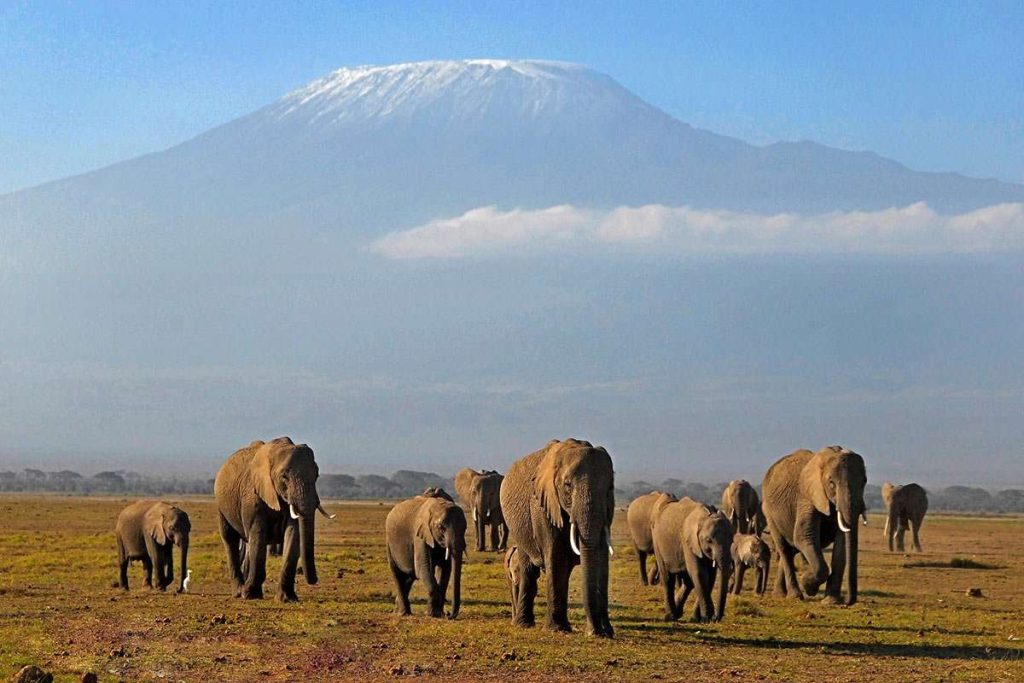
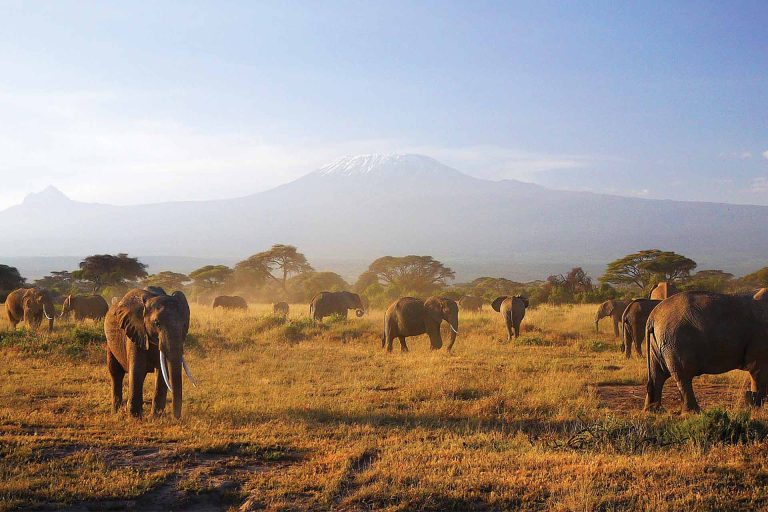
Amboseli National Park sits on Kenya’s southern border with Tanzania, 220 km southeast of Nairobi. It protects over 1,200 highly habituated elephants against the backdrop of Mount Kilimanjaro’s 5,895m snow-capped peak — producing some of the most iconic wildlife photography in Africa. The combination of close elephant encounters and the mountain view is available nowhere else on the continent.

Amboseli delivers one thing better than any other park in Africa — elephants photographed against Kilimanjaro. The park’s 1,200+ elephants are among the most studied and vehicle-habituated of any wild population on earth. Encounters within ten metres are routine.
Wildlife highlights:
- Elephants — 1,200+, highly habituated, often observed at very close range
- Zebra, wildebeest, giraffe, buffalo, hippo, impala — all present year-round
- Lion, cheetah, hyena — present but less reliable than in the Masai Mara
- Fringe-eared oryx and gerenuk — unusual antelopes specific to the Amboseli ecosystem
- 420+ bird species — including flamingo and 12+ heron species in the swamp zones
- No rhino — rhino have been absent from the park since the 1980s
The scenery is the other reason to come. The Enkongo Narok swamp — fed by underground water from Kilimanjaro — is the park’s most productive game zone: elephants bathing, hippos, dense waterbirds, and papyrus beds. Observation Hill gives panoramic views across the plain. The Baboon Cliffs and Out of Africa viewpoints provide the best Kilimanjaro perspectives.
Amboseli suits photographers, first-time Africa travellers, families with children, and anyone combining Kenya with Tanzania. It pairs naturally with the Masai Mara for a fuller Kenya wildlife circuit, or with a Kilimanjaro climb on the Tanzanian side.
Amboseli is open and rewarding year-round. The main variables are Kilimanjaro visibility and road conditions — both affected by rainfall.
The dry seasons (January–February and June–September) are the most popular. Clear mornings give the best Kilimanjaro views — the mountain is typically visible from dawn until mid-morning before cloud builds. The wet seasons (March–May and October–November) bring lush landscapes and excellent birding but softer roads and reduced mountain visibility.
One of Amboseli’s most rewarding windows. Clear mornings frequently reveal the full Kilimanjaro massif — the best photography light of the year for the classic elephant-and-mountain composition. Wildlife concentrates around Enkongo Narok as surrounding vegetation dries. Visitor numbers moderate, rates competitive.
Kenya’s main dry season and peak travel window. Dry tracks, clear skies, and excellent wildlife visibility across the open plains. Kilimanjaro reliable in early morning. Accommodation rates at their highest. Best overall conditions for game drives and mountain photography.
October–November: brief afternoon showers, lush landscape, excellent birding, Kilimanjaro frequently obscured. Good value. March–May: heaviest rain period; roads on the flat lake plain can become impassable after sustained rainfall. Kilimanjaro largely cloud-covered. Lowest rates and best availability, but not recommended as a primary photography window.
Amboseli is 220 km from Nairobi — approximately 4 hours by road via the A109 Mombasa highway to Emali, then northwest to the southeastern gate. This route is preferable to the older Namanga road, which is in poor condition. A 4×4 is recommended, particularly in the wet season. Scheduled bush flights from Nairobi’s Wilson Airport take approximately 45 minutes — AirKenya and Safarilink are the primary operators.
Entry fees: Kenya Wildlife Service fees apply. Confirm current KWS rates at booking — some lodge rates include park fees, others do not.
Accommodation: Key options across price tiers:
- Amboseli Sopa Lodge (~$314/night) — Kilimanjaro views, large pool, 20 minutes from main gate
- Amboseli Serena Safari Lodge (~$392/night) — beside a natural spring; note game drives not included in room rate
- Ol Tukai Lodge (~$450/night) — inside the park, spacious, good for families
- Satao Elerai Camp (~$434/night) — private 5,000-acre conservancy, walking safaris available
- Tortilis Camp (~$1,210/night) — luxury bush camp, outstanding Kilimanjaro and bird views
All rates are approximate starting prices — confirm current pricing at booking.
Health and practical: Standard Kenya precautions — anti-malarial prophylaxis recommended; yellow fever requirements depend on travel history. Kenya e-visas at evisa.go.ke. The fine alkaline dust from the dry lakebed is abrasive on camera equipment — dustproof bags strongly recommended on dry-season game drives. Baggage allowance on bush flights is typically 15 kg including hand luggage; soft-sided bags required.





Some of Our
Frequently Asked Questions
Elephants and Kilimanjaro. The park holds over 1,200 highly habituated elephants — one of the most studied wild elephant populations in the world — that allow vehicles to approach within ten metres. Kilimanjaro, at 5,895m the highest peak in Africa, is visible across the Tanzania border from Amboseli’s open plains. The combination produces some of the most iconic wildlife photography available anywhere in Africa.
Early morning in the dry seasons — January to February, and June to September — before cloud builds on the mountain from mid-morning. No visit guarantees a clear view, but arriving at the park before 8:00am during the dry season gives the best probability. Lodges inside the park boundary offer the advantage of immediate access at first light.
No. Rhino have been absent from Amboseli since the 1980s. Travellers wanting to see rhino in Kenya should visit Lake Nakuru National Park, which holds a fenced sanctuary population of both black and white rhino.
220 km — approximately 4 hours by road via the A109 Mombasa highway. Scheduled bush flights from Nairobi’s Wilson Airport take approximately 45 minutes. Most travellers use the flight on at least one leg to save driving time on a Kenya safari circuit.
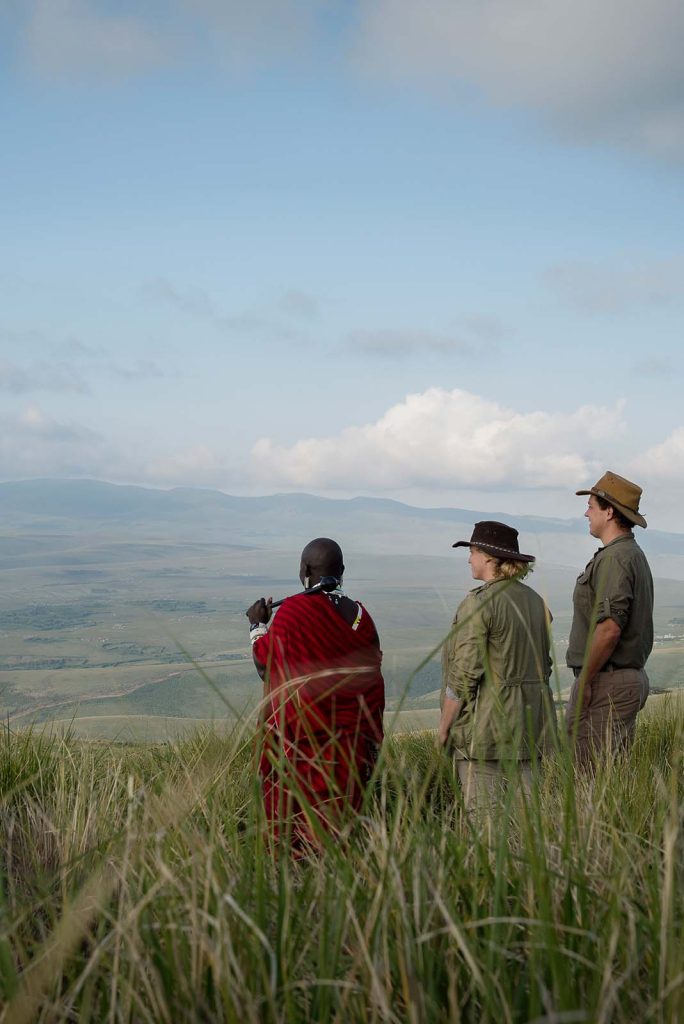
Walking inside the main park is not generally permitted. Observation Hill near Lake Kioko is an exception — visitors can park and walk to the summit for panoramic views. Walking safaris are available from private conservancy camps adjacent to the park, including Satao Elerai, where guided walks with Maasai guides operate on conservancy land.
Tortilis Camp and Ol Tukai Lodge are both well-regarded for their mountain views and proximity to the Enkongo Narok swamp where elephants are most active. Amboseli Sopa Lodge has good early-morning views from its elevated ridge position. The team can advise on the best lodge match for your priorities at booking.
Testimonials
