
Tanzania's Most Underrated Safari Park
Lake Manyara National Park
Lake Manyara National Park is a compact 330 km² park in northern Tanzania, 126 km west of Arusha on the floor of the Great Rift Valley. Famous for its tree-climbing lions, dense elephant population, flamingo-fringed lake, and 400+ bird species, it sits naturally as a first-day stop on the Tanzania northern circuit — en route to both Ngorongoro Conservation Area and the Serengeti.

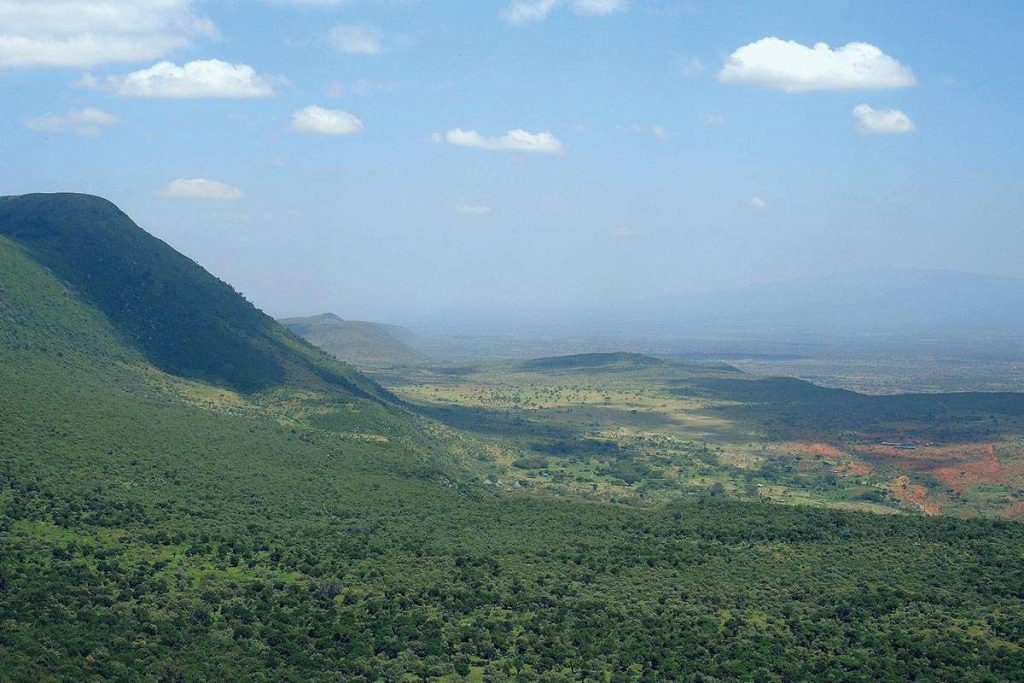
Lake Manyara is one of Tanzania’s most underrated parks — small enough to explore in a single day, scenically dramatic, and often less crowded than the Serengeti or Ngorongoro. Ernest Hemingway, standing above the 600m Rift Valley escarpment that frames the park, called it the loveliest place he had ever seen in Africa.
The wildlife highlights:
- Tree-climbing lions — one of only two places in East Africa where lions regularly climb trees; the other is the Ishasha sector of Queen Elizabeth National Park in Uganda
- Elephants — large herds move through the dense forest; close encounters are consistent and memorable
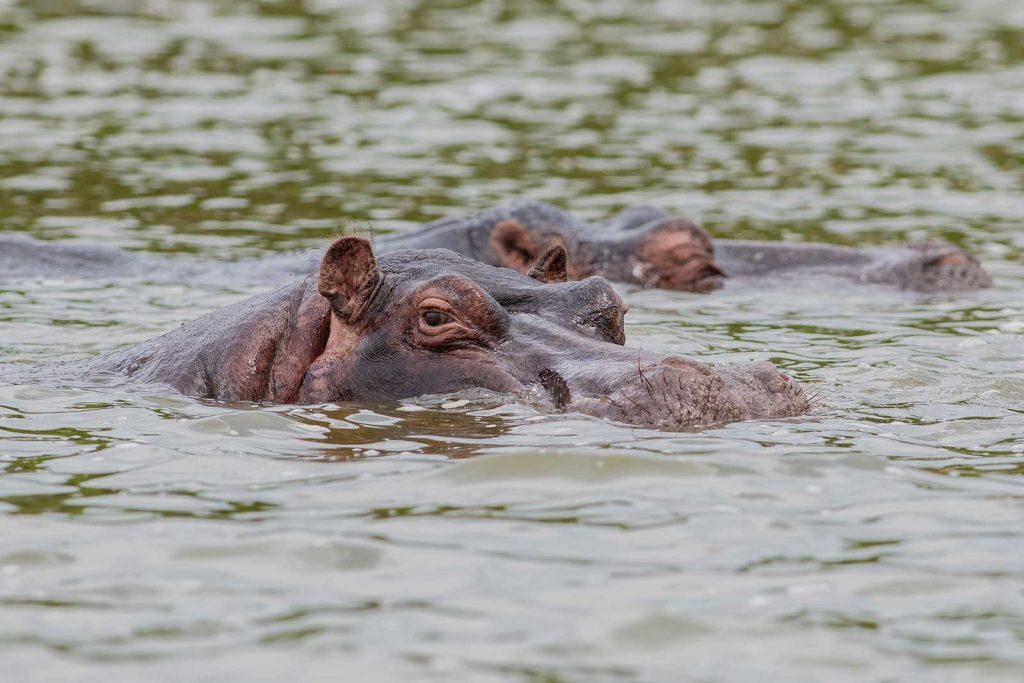
- Hippos — concentrated along the lake edge; visible from the road at dusk as they begin to forage
- Flamingos — pink clouds massing along the lake’s alkaline shoreline, numbers varying seasonally
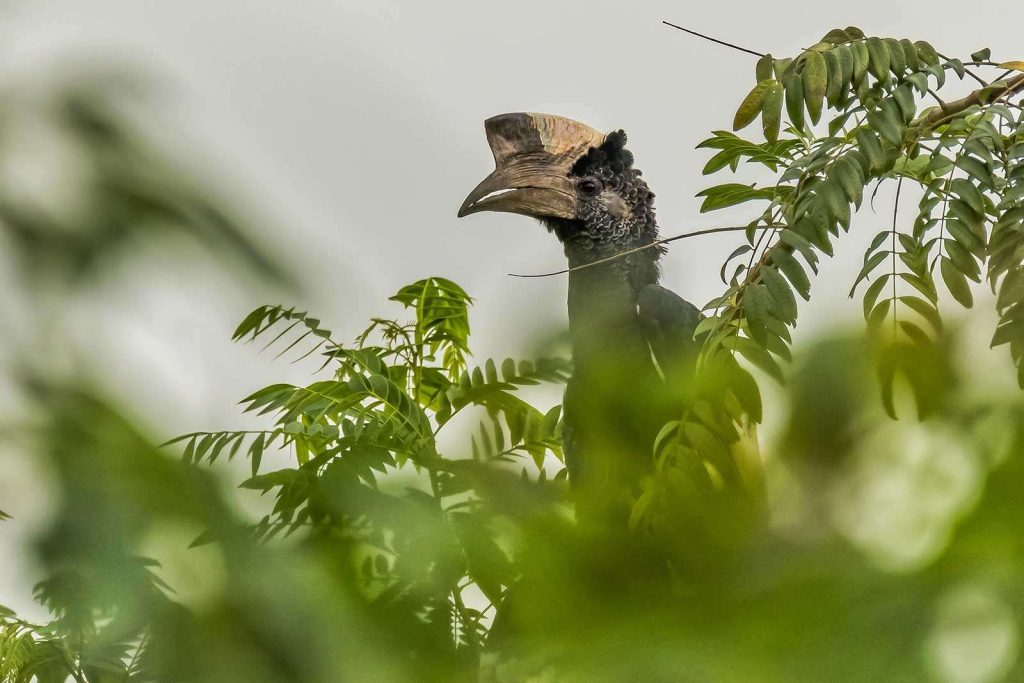
- 400+ bird species — silvery-cheeked hornbill, olive baboon troops, crowned eagle, African fish eagle, white-backed pelican, various kingfishers, and 51 daytime raptor species
Beyond the game drive:
- Treetop walkway — an 18m-high canopy walkway near the park gate; suspension bridges through the forest canopy
- Canoe safari — paddling the lake edge for close-range waterbird and hippo encounters
- Night game drives — available for nocturnal wildlife
The park suits Tanzania first-timers building the northern circuit, birders targeting forest and waterbird species, and travellers wanting a scenic, unhurried day between Arusha and Ngorongoro.
Lake Manyara is accessible year-round. The dry season gives the best game viewing conditions; the wet season is excellent for birding and particularly rewarding for flamingo concentrations when lake water levels are right.
Dry season (June to October): Best for game drives — lower vegetation makes wildlife easier to spot, and the tree-climbing lions are most reliably located. Roads are in good condition throughout the park. Morning visits are consistently uncrowded.
Wet season (November to April): Best for birding — migratory species are present and the forest is at its most vivid. Flamingo numbers can peak in this window when salinity levels support algae growth. Waterfalls visible along the escarpment wall. Afternoons during peak season (June to July, October to April) can see higher visitor numbers.
Main dry season and the best overall game viewing window. Vegetation is lower, sightlines are clearer, and large mammal movements are easier to follow. Tree-climbing lion sightings are most reliable. Morning drives are quiet and rewarding.
Roads are accessible throughout the park, including the southern Lake Manyara Tree Lodge area.
Short rains transitioning into drier conditions. Flamingo numbers often peak in this window. Migratory birds are arriving. Waterfalls along the escarpment are running well after October rain. A productive birding window with generally manageable road conditions. Hemingway’s park looks its most vivid and green.
Long rains. The park transforms with lush vegetation and excellent birding. Roads in the southern section can become muddy. Afternoons in the forest are atmospheric and often quiet — visitor numbers are low. The canoe safari is a strong activity choice in this window. Not recommended if the tree-climbing lion sighting is the primary goal.
Getting here: Lake Manyara’s park entrance is 126 km west of Arusha — approximately 2 hours by road on a well-surfaced highway. It sits naturally en route to both Ngorongoro Crater and the Serengeti on Tanzania’s northern circuit. Scheduled flights from Arusha take approximately 20 minutes to Lake Manyara Airstrip; your lodge handles the transfer. Most travellers visit Manyara as the first stop of the northern circuit before continuing to Ngorongoro and the Serengeti.
Accommodation: Key options from the source:
- Isoitok Camp Manyara (from $215 pp all-inclusive) — authentic camp with Maasai community focus; excellent food and escarpment views; top mid-range pick
- Lake Manyara Serena Lodge (from $276 all meals) — escarpment-edge position with infinity pool and lake views; close to the airstrip
- Kirurumu Manyara Lodge (from $308 all meals) — intimate camp in indigenous bush on the escarpment; family-friendly with Rift Valley views
- Migunga Tented Camp (from $350 all meals) — secluded acacia forest location 2 km from Mto wa Mbu; 5 minutes from the park entrance; camping available at $15 pp
- Lake Manyara Tree Lodge (from $875 pp all-inclusive) — luxury treehouse rooms 35 km inside the park; tranquil southern location; bumpy access road; free game drive from the airstrip
All rates are approximate starting prices — confirm current pricing at booking.
Health and practical: Standard Tanzania health precautions apply — anti-malarial prophylaxis recommended; yellow fever vaccination may be required depending on travel history. Tanzania tourist visas available on arrival or as e-visas at eservices.immigration.go.tz. Early morning visits (before 10:00 am) give the best game viewing and the fewest vehicles. Afternoons during peak season (June–July) can be busy.






Some of Our
Frequently Asked Questions
Lake Manyara is one of only two places in East Africa where lions regularly climb and rest in trees — a behaviour not fully understood but well-documented here, particularly in the acacia and fig trees near the lake. The other known location is the Ishasha sector of Queen Elizabeth National Park in Uganda. The behaviour is not guaranteed on any given visit, but Manyara is the most accessible of the two locations for Tanzania safari travellers.
Yes — and it fits naturally into the circuit. Manyara is 126 km from Arusha and directly on the route to Ngorongoro and the Serengeti, making it a logical first or last day stop. It adds forest, lake, and escarpment scenery that neither the Serengeti nor Ngorongoro offers. A single full day is sufficient to cover its main highlights. Most northern Tanzania itineraries include it precisely because it adds variety without significant detour.
One full day is sufficient to cover the main areas — forest, open plains, lake edge, and the treetop walkway. An overnight stay allows a morning and afternoon game drive, which significantly improves tree-climbing lion sightings and gives time for the canoe safari. Two nights is generous; Manyara works best as a compact, high-reward stop rather than a multi-night destination.
126 km west of Arusha — approximately 2 hours by road on a well-surfaced highway. Scheduled flights from Arusha Aerodrome to Lake Manyara Airstrip take approximately 20 minutes. Most travellers combine the road drive to Manyara with the onward journey to Ngorongoro the following day.
The treetop walkway near the park entrance is an 18m-high canopy walkway — a series of suspension bridges woven through the forest canopy. It gives an aerial perspective of the forest and is accessible to most visitors. It is a separate activity from the main game drive and is best done early in the morning or combined with the park entrance game drive.
Yes. Canoe safaris are available on the lake and are particularly good for close-range hippo and waterbird encounters — including flamingo, pelican, and various herons and egrets at the lake margins. The wet season (November to May) is generally the most rewarding window for the canoe safari when water levels and bird concentrations are highest. Arrange through your lodge or tour operator at booking.
Testimonials
