
Walking Safaris in Uganda
Go deeper than wheels can carry you.


12-Day All-Inclusive Gorilla & Wildlife Safari in Uganda
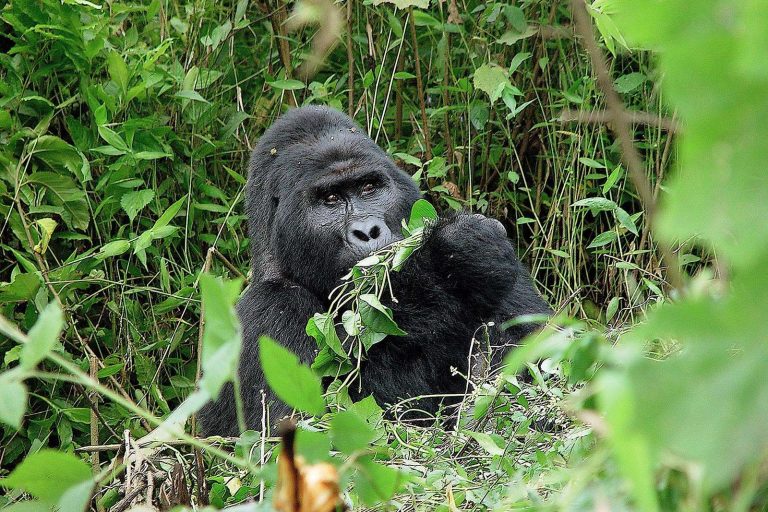
12-Day Explore Uganda — The Pearl of Africa Safari
16-Day Explore Uganda — The Pearl of Africa Adventure

5-Day Chimps & Canopy Walk in Nyungwe Forest, Rwanda
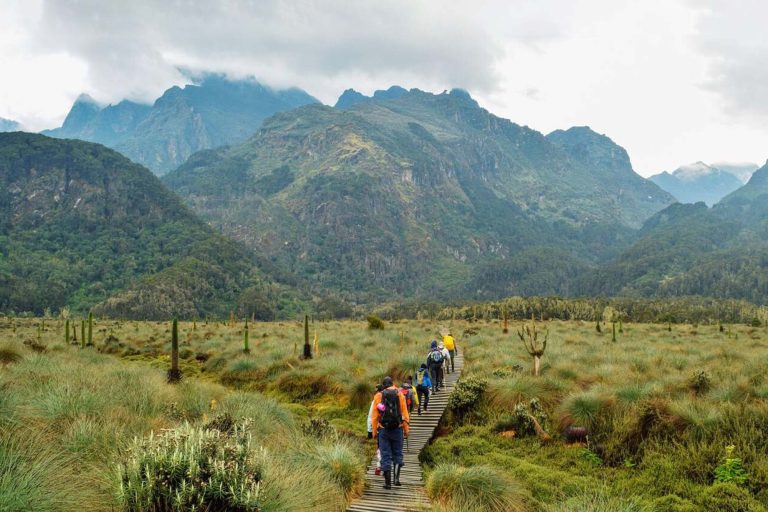
5-Day Rwenzori Mountains Lower Slopes Trek — The Mahoma Trail

6-Day Uganda Gorilla Trek & Walking Safari Adventure

8-Day Hiking Virunga Volcano, Gorillas & Golden Monkeys in Uganda

8-Day Uganda Walking Safari — Off the Beaten Path in Southwestern Uganda

9-Day Rwanda Family Safari — Primates, Nature Walks & Lake Kivu
This Is How You Meet a Place
At first light, the ridge is quiet. A footpath cuts through the undergrowth, still damp from night rain. Your guide walks ahead with steady confidence. A porter lifts his pack. Somewhere deeper in the trees, a bird calls once, then again.
The trail winds through open hillsides, into shadowed forest, past homesteads, farms, and stands of eucalyptus. You walk at the pace of the landscape, noticing more with every step—just as the community-guided walking tours here always have.
This is how Nkuringo began. On foot. With local guides leading travelers on guided walking safaris through the Bwindi highlands, years before there were lodges or safari trucks. We’ve spent nearly two decades walking these paths—across Uganda’s crater lake trails, along the Rwenzori ridges, through the nature-rich grasslands of Mburo and Murchison.
Every journey we offer starts with this simple idea: the land is best understood one step at a time.
Why Walk?
Beyond the Jeep
You hear the forest before you see it. The hush of mist in the canopy. A branch cracking under a colobus monkey. The soft roll of human voices greeting one another along the trail. On foot, the journey sharpens your senses — every sound, scent, and footfall brings you deeper into the land’s rhythm. You begin to see what the jeep drives past.
Meet the Forest With Local Eyes
Nkuringo’s walking safaris are always led by expert guides — many trained through our Gorilla Junction Foundation — who were born in these hills, walked them as children, and hold decades of collective field experience under UWA certification. Trackers, porters, rangers, and community hosts walk with you. You’ll see the forest not just for its beauty, but for its meanings — medicinal plants, ancestral paths, animal behavior, farming practices, weather signs.
Safe, Responsible, Slow Travel
All our guided walking safaris are permitted and closely coordinated with UWA and local communities. No rushing, no fences, no roaring engines — just steady, mindful travel at a pace that respects the land. Walking reduces your ecological footprint, supports porter livelihoods, and sustains community-run trails. For example, 100% of porter fees support the individual porter walking with you and his family, while 60% of walking fees go directly to your local guide — a livelihood rooted in the very trail you’re walking.
Where We Walk
Our walking safaris follow paths forged by geography and people. Each trail passes through distinct ecosystems — rainforest, swamp, alpine, savannah — and always guided by those who know them best: trackers, porters, local community leaders.
Bwindi Impenetrable Forest — Nkuringo, Buhoma & Rushaga Sectors
Our legacy begins here. These are guided walking safari Uganda routes through mist-veiled ridges, forest-edge farms, and biodiversity corridors. Trails like Ivy River, Munyaga, Rushura Hill, Muzabajiro Loop, and the Kashasha River Trail weave through dense forest and community land. Walks are always guided and operate during daylight.
Kibale & the Crater Lakes — Bigodi Wetlands & Night Walks
Walk among crater rims and rainforest valleys, where chimpanzees call through the morning mist. The Bigodi Swamp Walk (≈ 4.5 km) offers boardwalk trails through wetlands rich with primates and birdlife. Kibale also offers night forest walks (~2 hours) from Kanyanchu — ranger-guided and designed to reveal nocturnal species like bush babies and tree hyrax.
Nyungwe Forest (Rwanda)
Home to over 130 km of rainforest trails, Nyungwe offers immersive day walks, canopy bridge trails, and ranger-led night hikes. Walks explore waterfalls, fig tree groves, and dense habitat home to colobus monkeys, birds, and rare orchids. The night walk (1.5–3 hrs) opens the forest’s after-dark world with trained local guides.
Volcanoes National Park (Rwanda)
Volcanic slopes rise into the clouds. Day hikes like Mount Bisoke’s crater lake trail (~6 hours) and the Dian Fossey Trail offer both natural beauty and historical context. Trails lead through bamboo forest and afro-alpine terrain, often with panoramic views into Uganda and DRC.
Mgahinga Gorilla National Park — Sabinyo & Muhabura
This is where the land steps upward. Day hikes up Mount Sabinyo or Muhabura offer spectacular views and rugged terrain. Other trails explore forest paths, caves, and cultural sites like the Batwa Trail.
Rwenzori Mountains
These are Uganda’s highlands — multiday ascents through cloud forest, alpine bogs, and glacier peaks. We use hut-based circuits like Kilembe and Central Trail, guided by experienced mountaineers. Best for trekkers seeking serious elevation and solitude.
Lake Mburo National Park
Open savannah, rolling hills, and lakeshore paths. Walks here are guided by sharp-eyed rangers and may include impala herds, zebra, and bird-rich acacia groves. Popular trails include salt lick loops and lakeside morning walks.
Murchison Falls Region — Riverbanks, Forest Edges & Savannah Trails
Walks here move through savannah plains, riverine forest, and woodland patches. Guided trails include the Top of the Falls hike (~45 mins), Rabongo Forest, Kaniyo Pabidi woodland, and swamp or Nile-delta edge walks for birders. These experiences blend dramatic views, birdwatching, and quiet observation along the Nile.
What to Expect on a Walking Safari
Fitness & Terrain
Our walking safaris range from easy-paced forest walks to challenging highland treks — always tailored to your ability. Some routes follow Bwindi’s community footpaths, others explore crater lake ridges or savannah trails in Mburo and Murchison. You don’t need to train for it — just bring a moderate level of fitness and a willingness to walk on natural terrain with the occasional hill, root, or rain-muddied patch. Our team will help select the right trail, and porters are always available to carry your pack.
Safety First, Always
With nearly two decades of experience running walking safaris in Uganda, Nkuringo ensures that every step is secure. Walks are permitted, ranger-accompanied, and closely coordinated with Uganda Wildlife Authority. Our guides carry first aid, radios, and communication gear. Group sizes are small, allowing us to manage encounters with wildlife respectfully and according to strict safety protocols. You’re always briefed before departure — and never left unsupported.
What to Pack
For forest and savannah walks, wear lightweight, sturdy shoes or boots, breathable layers, a brimmed hat, and long trousers. A reusable water bottle, sunscreen, light waterproof jacket, and insect repellent are essential. Trekking poles can help on uneven trails. We recommend a daypack with a rain cover and camera protection.
Not sure what you’ll need for your trail? Talk to a walking safari specialist — we’ll guide you.
Why Nkuringo?
The first journeys we ever led were on foot — through the highland trails of Bwindi in 2007, long before there were lodges or 4x4s. Today, we still lead with our feet — and our roots.
Our guided walking safaris are backed by nearly two decades of experience, trusted partnerships with Uganda Wildlife Authority, and a team of guides and porters trained through our own Gorilla Junction Foundation. Many were born on the trails they now lead — and support their families through every step you take with them.
Training isn’t a one-time event. Our walking teams receive regular refreshers with conservation experts and even hands-on workshops with volunteering guests, ensuring every safari is safe, insightful, and responsibly run.
We also own two lodges at key trailheads — Nkuringo Bwindi Gorilla Lodge and Mirima in Kibale — giving our walkers a seamless blend of comfort and access. You step off the veranda and onto the trail.
With over 1,000 five-star reviews from guests who’ve walked with us, we’ve become one of Uganda’s most trusted names in guided walking safaris — not because we promise the world, but because we know this one.
Enquire Now for a Tailor-Made Quote
Walking or Driving? Why Not Both.
Some places are meant to be walked — to hear the language of footsteps on village paths, to greet farmers by name, to feel the slope of the land underfoot. Others are best reached by road — through wide savannahs where herds roam far and the horizon stretches out for miles.
Our travellers often combine both: guided walking safaris in Uganda to move slowly through forests, communities, and crater lake hillsides — and game drives to explore expansive parks like Murchison Falls or Akagera.
The combination lets you see more — not just more wildlife, but more layers of the land.
Comparison Table
| Feature | Walking Safari | Game Drive |
|---|---|---|
| Immersion | Deep, sensory, human-scale | Scenic, wide-ranging, observational |
| Community Connection | Direct encounters on shared trails | Indirect, lodge-based interaction |
| Physicality | Active, guided at your pace | Relaxed, vehicle-based |
| Ideal For | Explorers, photographers, return visitors | First-timers, families, birders |
| Best In | Bwindi, Kibale, Mburo, Murchison, Akagera | Queen Elizabeth, Murchison, Akagera |


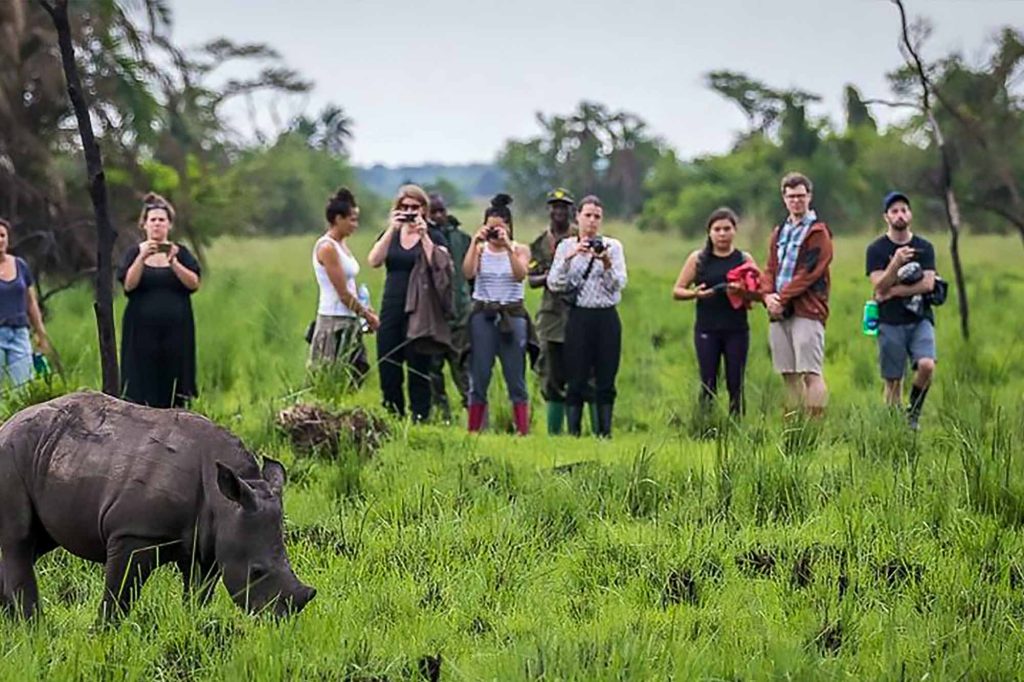

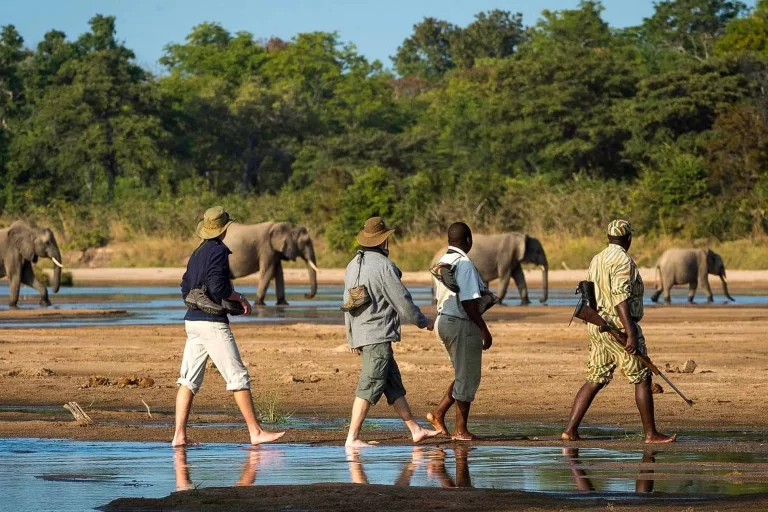


Some of Our
Frequently Asked Questions
Yes. All our guided walking safaris are fully permitted and escorted by certified trackers or UWA rangers. We conduct briefings before every departure, keep group sizes small, and carry first aid and communications gear. You’ll never walk alone or unsupported.
You don’t need to be a mountain athlete. We offer a range of trails — from gentle 2-hour community walks to full-day forest treks and multiday journeys. Your guide will match the route to your fitness level and interests. Porters are available on every walk.
Uganda’s trails are walkable year-round, though rain is always a possibility — especially in the forests. Our guides plan walks with weather in mind, and gear is adjusted accordingly. Good boots, light waterproofs, and flexible timing go a long way.
Absolutely. Many of our travellers do. Some of the best walking routes in Bwindi and Kibale begin or end at trailheads used for primate tracking. Our specialists will help craft a seamless itinerary.
Yes. Walks are supported — especially in parks like Bwindi, Mburo, or Murchison — with facilities en route or at trailheads. Our private lodges and partner accommodations are located close to start or end points, and we never expect you to “rough it” unless you ask for it.
Testimonials
