
Top Safari Destinations
Queen Elizabeth National Park
Queen Elizabeth National Park is Uganda’s most visited national park — 1,978 km² of savannah, wetlands, forest, and volcanic crater lakes in the southwest. It holds 95 mammal species and 600+ bird species, and delivers four distinct safari experiences in a single park: Kasenyi game drives for lion and kob, the Kazinga Channel boat safari, Ishasha’s tree-climbing lions, and Kyambura Gorge chimpanzee trekking. The natural stop between Kibale Forest and Bwindi on Uganda’s western circuit.

Queen Elizabeth National Park is Uganda’s most diverse single-park safari destination. It is one of the few places in Africa where open savannah game drives, a major waterway boat safari, chimpanzee trekking, and tree-climbing lion sightings are all available without leaving a single park.
The four experiences that define the park:
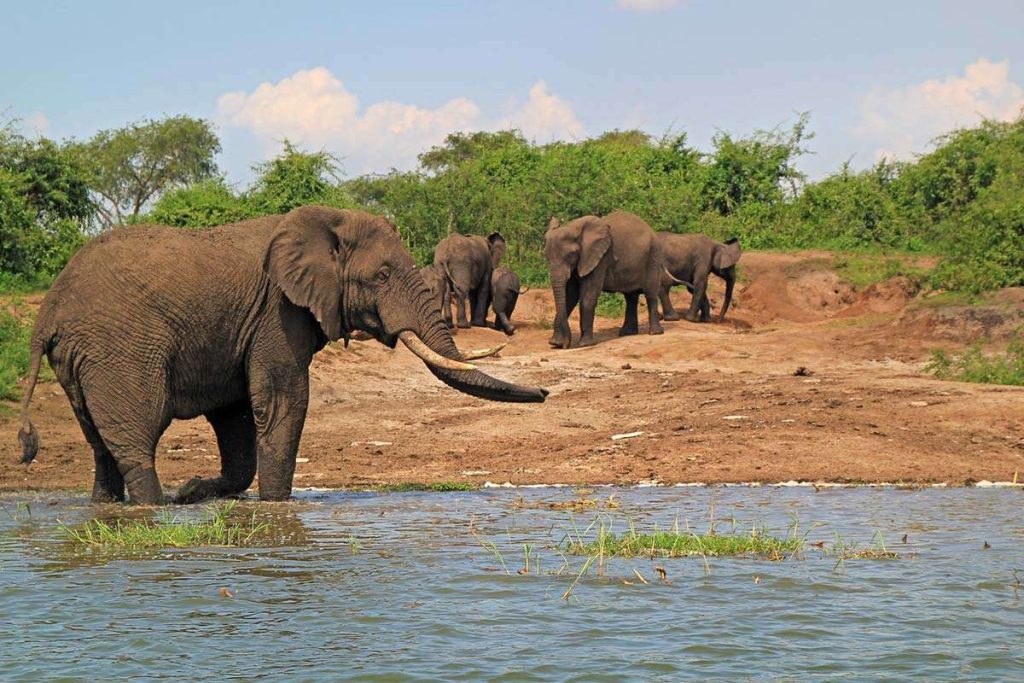
Kazinga Channel boat safari. The 32 km Kazinga Channel connects Lake George and Lake Edward and holds one of Africa’s highest hippo concentrations — over 5,000 individuals. The afternoon boat cruise from Mweya Jetty (departing 14:00, approximately 2 hours) is the park’s most popular activity: hippo pods at close range, Nile crocodiles on the banks, elephant and buffalo coming to drink, and outstanding waterbird diversity. African shoebill, saddle-billed stork, yellow-billed stork, African fish eagle, pied kingfisher, and pink-backed pelican are all regularly recorded.
Kasenyi game drives. The Kasenyi Plains in the park’s northeastern sector are Uganda’s best open savannah game drive area. Large Uganda kob herds attract lion consistently — morning drives regularly produce active hunting lion and resting prides. Elephant, buffalo, warthog, and topi are all abundant. The Crater Drive circuit adds geological variety and good bushbuck sightings.
Ishasha tree-climbing lions. The Ishasha sector in the park’s south is one of only two places in East Africa where lions habitually climb and rest in trees — particularly in ancient fig trees. This unusual behaviour draws dedicated visitors specifically to the southern sector. Uganda kob, topi, and elephant are also reliably seen in Ishasha.
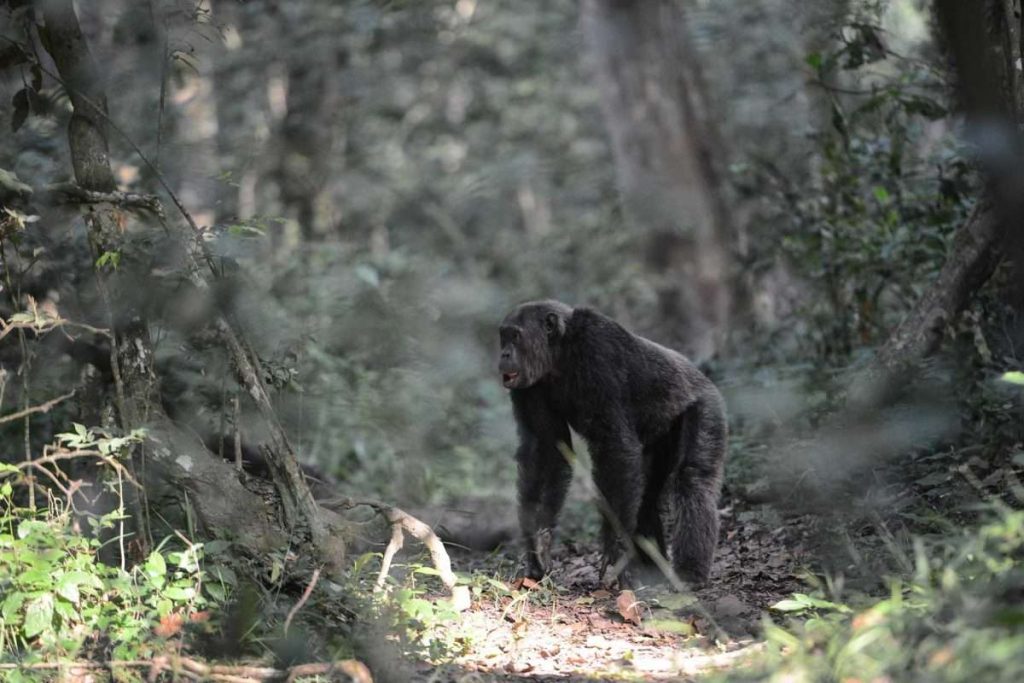
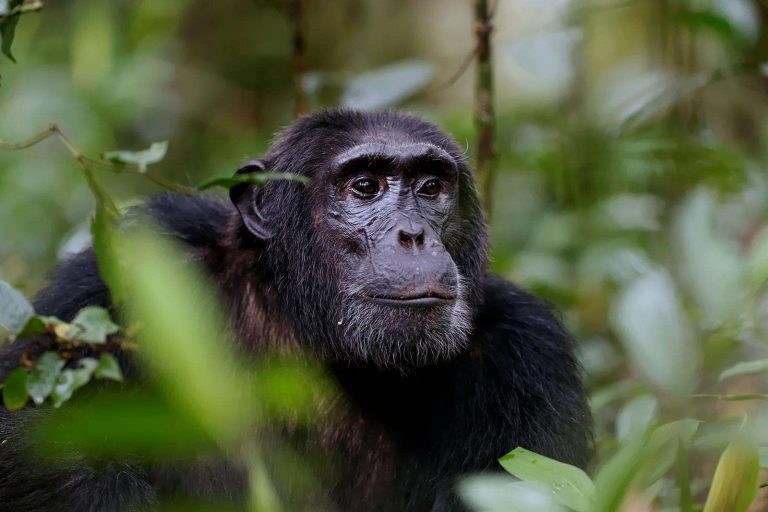
Kyambura Gorge chimpanzees. Kyambura Gorge — the “Valley of Apes” — is a dramatic forested ravine cut by the Kyambura River. A habituated chimpanzee community lives in the gorge, and guided chimp tracking is available. Sightings are possible but not guaranteed — the gorge’s steep walls and dense vegetation make tracking more variable than at Kibale Forest.
Additional activities: Lion tracking with the Uganda Carnivore Program on the Kasenyi Plains ($100 pp); Maramagambo Forest walks to the Bat Cave and rock python sightings; Mweya Peninsula walks with channel and lake views; night game drives on the Mweya Peninsula for leopard, serval, and bush babies.
Queen Elizabeth National Park is open and rewarding year-round. The dry seasons give the most consistent game viewing conditions; the wet seasons bring excellent birding and lush landscape photography.
The two dry seasons — December to February and June to September — are the best overall windows. Vegetation is lower, wildlife is more concentrated around the Kazinga Channel and permanent water, and game drive conditions on the Kasenyi tracks are most reliable. The boat safari is excellent in all seasons.
The wet seasons (March to May and October to November) bring green landscapes, strong birding as migratory species arrive, and lower accommodation rates. Some tracks in the Ishasha sector can become muddy.
Main dry season and Uganda’s peak safari window. Best Kasenyi game drive conditions — lion sightings are most consistent when vegetation is lower and kob herds are visible from distance. The Kazinga Channel boat safari is excellent with large elephant and buffalo concentrations at the water’s edge. The Ishasha sector fig trees are clearly visible. Strong birding throughout.
Short dry season. Good game drive conditions with reliable lion and elephant sightings. The Kazinga Channel boat safari delivers close hippo and waterbird encounters year-round. Migratory birds are present. Visitor numbers are moderate — a good value window with competitive lodge rates compared to the June–September peak.
Wet seasons. Lush green landscape, excellent birding, and lower rates. Some Ishasha sector tracks can become challenging after heavy rain. The boat safari operates normally. Game viewing remains good — the park’s diverse habitats mean wildlife is rarely dispersed even in wet conditions.
Getting here: Queen Elizabeth National Park is approximately 420 km from Kampala — 6–7 hours by road via Masaka and Mbarara. Domestic flights from Entebbe to Kasese Airstrip (approximately 1 hour) bring you within 30 minutes of the Mweya Peninsula. The park sits naturally on the Uganda western circuit: most itineraries include Kibale Forest (3 hours north) before Queen Elizabeth, and then continue south to Bwindi (3–4 hours, via Ishasha).
Key activity fees (UWA — confirm at booking):
- Kazinga Channel boat cruise: scheduled UWA departures at 09:00 and 14:00; confirm current rates at booking
- Chimpanzee trekking (Kyambura Gorge): confirm current permit rates at booking
- Lion tracking (Uganda Carnivore Program): $100 per person (foreign non-residents)
- Night game drives: available on the Mweya Peninsula; confirm current rates
Accommodation (from the Nkuringo Safaris QENP lodge directory):
- Kyambura Gorge Lodge — luxury; on the gorge rim above the chimpanzee habitat; highly rated
- Katara Lodge — luxury; panoramic Rwenzori and rift valley views; excellent cuisine
- Ishasha Wilderness Camp — mid-range; in the Ishasha sector specifically for tree-climbing lion guests
- Mweya Safari Lodge — mid-range; on the Mweya Peninsula with Kazinga Channel and lake views; large hotel character
- Elephant Plains Lodge — mid-range; good game drive access
All rates confirmed at booking.
Health and practical: Standard Uganda health precautions — anti-malarial prophylaxis recommended; yellow fever vaccination required. Uganda e-visas at visas.immigration.go.ug. The Kazinga Channel area and lake shores generate mosquitoes at dusk — repellent essential in the evenings. A 4×4 is required for Ishasha sector tracks, particularly after rain.






8-Day Classic Uganda Primates & Wildlife Safari

11-Day Uganda Birding & Gorilla Trekking Safari

11-Day Uganda Highlights Adventure Safari

12-Day All-Inclusive Gorilla & Wildlife Safari in Uganda
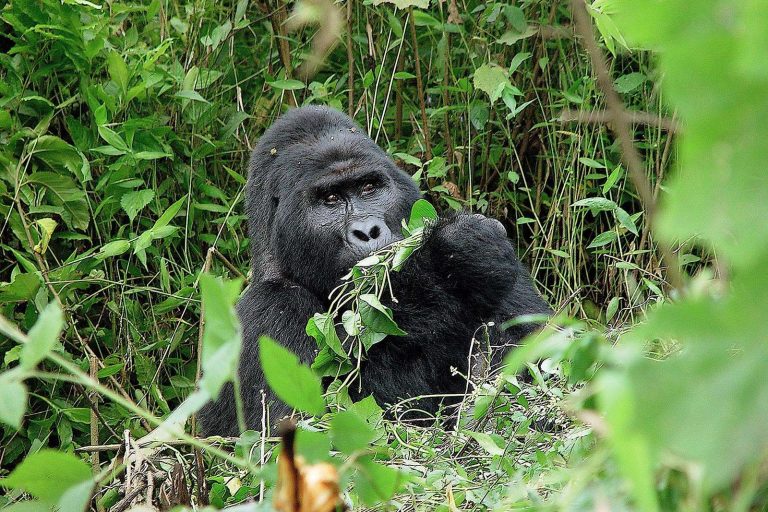
12-Day Explore Uganda — The Pearl of Africa Safari
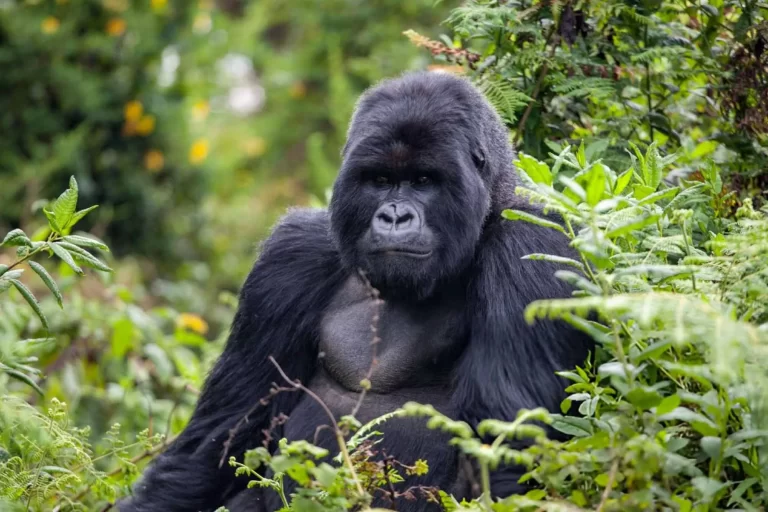
14-Day Best of Uganda Adventure — Gorillas, Game Parks & Kidepo
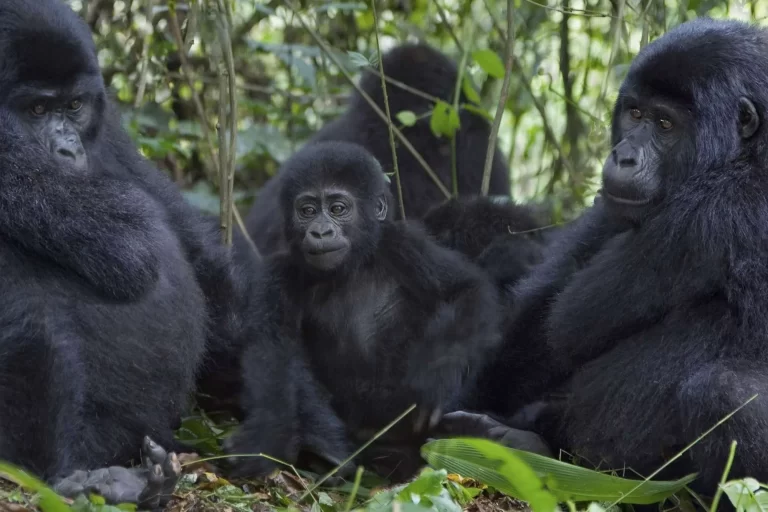
16-Day Safari to Uganda’s Top National Parks

20-Day Uganda Bird Watching, Wildlife & Primates Safari
8-Day Classic Uganda Primates & Wildlife Safari
8-Day Wildlife & Gorilla Adventure — Uganda & Rwanda

9-Day Luxury Gorilla Safari in Uganda
Some of Our
Frequently Asked Questions
The Ishasha sector in the park’s southern area is one of only two places in East Africa where lions habitually climb and rest in trees — particularly ancient fig trees. This unusual behaviour is well-documented but not fully understood. The other location is Lake Manyara National Park in Tanzania. Tree-climbing lion sightings are not guaranteed on any given visit, but a focused drive in the Ishasha sector significantly improves the probability. The Southern Loop and Northern Loop circuits in Ishasha (each approximately 20 km) are the primary areas for searching.
The Kazinga Channel is a 32 km natural waterway connecting Lake George and Lake Edward, running through the heart of the park. The afternoon boat cruise from Mweya Jetty (departing at 14:00, approximately 2 hours) is one of the most wildlife-dense water safaris in Africa — hippos, Nile crocodiles, elephant, buffalo, and outstanding waterbird diversity including the shoebill. It is included as a standard activity in all Nkuringo Safaris itineraries that include Queen Elizabeth National Park. The 14:00 departure is generally more productive for elephant sightings than the 09:00 morning departure.
Kyambura Gorge holds a small habituated chimpanzee community in a dramatic forested river gorge. Sighting rates are lower than at Kibale Forest — the gorge’s steep walls, dense vegetation, and smaller chimpanzee group make trekking more variable. Kibale is Uganda’s specialist chimpanzee destination with 1,500+ chimps and 85–96% encounter success rates. Kyambura is best treated as a complementary activity for travellers already spending 2+ nights at Queen Elizabeth, rather than a primary chimpanzee trekking destination.
A minimum of 2 nights covers the Kazinga Channel boat safari and one or two Kasenyi game drives. 3 nights allows for the boat safari, Kasenyi drives, a Crater Drive, and either Kyambura Gorge trekking or the lion tracking experience. Travellers wanting both the main Mweya/Kasenyi area and the Ishasha tree-climbing lions need at least 3 nights — either split between Mweya-area and Ishasha lodges, or based at Ishasha with a drive through the main sector.
Lion tracking is an activity conducted by researchers from the Uganda Carnivore Program, using radio collars fitted on specific lions to locate them on the Kasenyi Plains. Participants carry radio receivers and join researchers in tracking the dominant collared pride member. Sessions run in the early morning (~08:00) or late afternoon (~16:00), lasting 1–3 hours. The permit costs $100 per person (foreign non-residents) including a $10 community fee. It is both a wildlife encounter and a conservation education experience — recommended for travellers who want more active engagement than a standard game drive.
Yes — this is the most natural Uganda western circuit combination. Queen Elizabeth National Park sits directly between Kibale Forest (3 hours north) and Bwindi (3–4 hours south via Ishasha). The standard western circuit routing is Kibale (chimps) → Queen Elizabeth (game drives, Kazinga, Ishasha) → Bwindi (gorillas). The 8 Day Classic Uganda Primates & Wildlife Safari and the 12-Day Explore Uganda Pearl of Africa Safari both follow this structure.
Testimonials
