
Kenya's Remote Northern Wilderness
Samburu National Reserve
Samburu National Reserve sits on the banks of the Ewaso Ng’iro River in Kenya’s remote north, approximately 5 hours from Nairobi. It is home to the Samburu Special Five — species found nowhere else in Kenya’s southern parks — set against a dramatic landscape of doum palms, dry acacia, and arid red plains. One of Kenya’s most rewarding off-the-beaten-track safari destinations.

Samburu offers something Kenya’s southern parks cannot: the Samburu Special Five. These five northern species — found here but not in the Masai Mara or Amboseli — are the primary reason discerning safari travellers make the journey north.
The Samburu Special Five:
- Reticulated giraffe — the most distinctively patterned of all giraffe subspecies
- Grevy’s zebra — the largest and most endangered wild zebra, with narrow pinstripe markings
- Gerenuk — the long-necked antelope that browses standing upright on its hind legs
- Beisa oryx — elegant, straight-horned antelope of the arid north
- Somali ostrich — the blue-necked northern subspecies, larger than the Masai ostrich
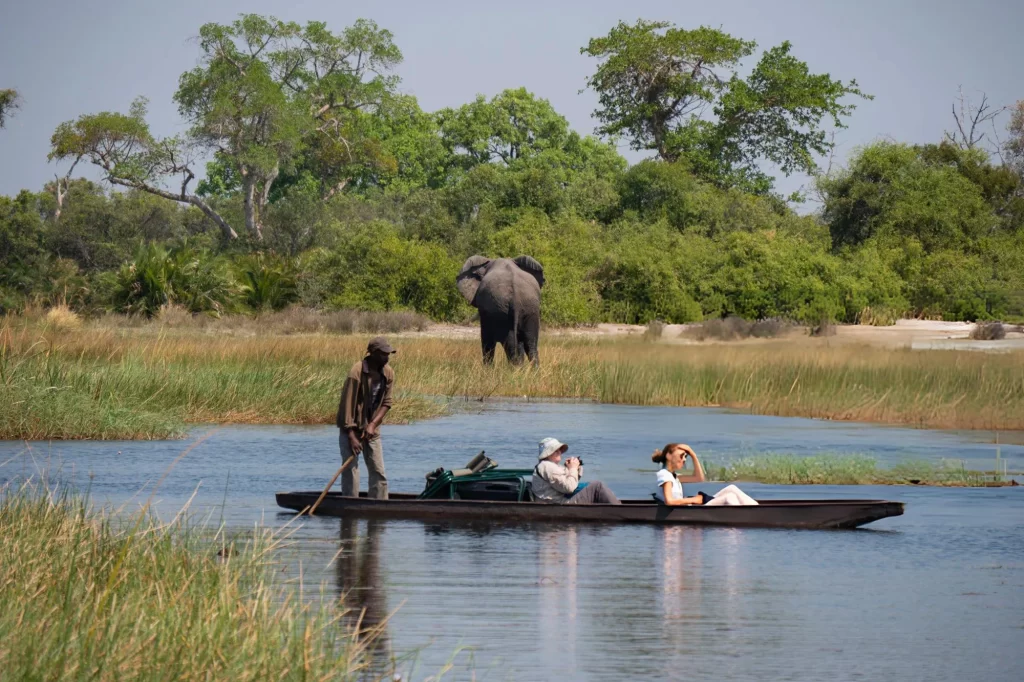
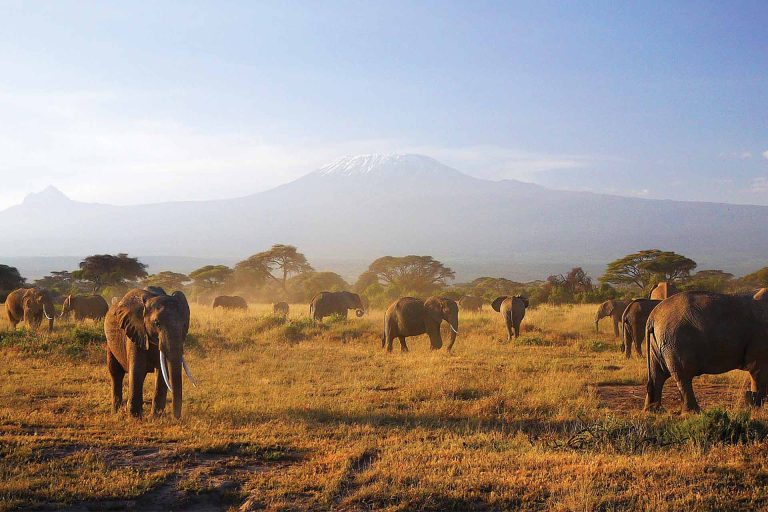
The wider wildlife is equally strong. Large elephant herds congregate along the Ewaso Ng’iro River — almost-daily visits are reported at riverside camps. Lion, cheetah, and leopard are all present. Nile crocodiles are common in the river. Over 350 bird species have been recorded, with many northern specialists not found in southern Kenya.
The landscape and culture set it apart. The contrast of green riverine forest against the arid red plains creates a visual character unlike any other Kenya reserve. The Samburu people — semi-nomadic cattle herders closely related to the Maasai — bring their livestock to the river daily, and cultural encounters at surrounding conservancies are among the most genuine in Kenya.
The reserve combines with Buffalo Springs National Reserve (south bank) and Shaba National Reserve to the east — a single 24-hour entry ticket covers all three.
Samburu is a year-round destination. Its arid climate means it doesn’t have the pronounced wet season disruption of Kenya’s southern parks — but the dry season still offers the best game viewing conditions.
The dry season from June to October is peak season — wildlife concentrates around the Ewaso Ng’iro River, the only permanent water source in the dry months, making sightings highly predictable. The January to February short dry season is also excellent. The wet seasons bring occasional rains but rarely the sustained downpours of wetter regions — Samburu’s arid character means it functions well in most conditions.
Peak season. Dry, warm, and excellent game viewing. Wildlife concentrates along the Ewaso Ng’iro River as other water sources dry up. The Special Five are reliably encountered. Elephant herds are at their most visible along the riverbanks. Coincides with the Great Migration in the Masai Mara — Samburu pairs naturally with a Mara visit on the same Kenya trip.
Short dry season. Clear skies, good visibility, and reliable wildlife sightings. Visitor numbers are moderate compared to the June–October peak — a strong value window. The Special Five and resident predators are consistently seen. A good combination with Laikipia on the same northern Kenya circuit.
Wet seasons bring occasional rains and greener surroundings. Game viewing remains good as Samburu’s arid character limits the vegetation growth that obscures animals elsewhere. Some camps offer lower rates. Birding is excellent with resident and migratory species present. Roads remain accessible in all but the heaviest rain.
Getting here: Samburu is approximately 5 hours by road from Nairobi via the A2 highway through Isiolo and Archer’s Post — a well-surfaced road for the majority of the route. The reserve’s airstrip receives daily scheduled flights from Nairobi’s Wilson Airport with AirKenya and Safarilink (approximately 1 hour). Flying is strongly recommended for most visitors — the drive is long and the flight is efficient.
Entry fees: A 24-hour entry ticket of $70 per person covers Samburu, Buffalo Springs, and Shaba National Reserves. Conservation fees for the surrounding private and community conservancies are charged separately — typically $100–$116 pp per day — and are included in some camp rates. Confirm the full fee structure for your specific camp at booking.
Accommodation: Key options across price tiers:
- Samburu Intrepids (~$185/night) — mid-range, river views, family-friendly, newly refurbished; activities and reserve fees extra
- Saruni Samburu (~$500/night) — built around granite boulders, stunning views; conservation fees ($116 pp) extra
- Saruni Rhino (~$665/night) — Sera Conservancy, premier rhino tracking walking safaris in East Africa
- Elephant Bedroom Camp (~$750/night) — riverside tents on wooden decks with private plunge pools; daily elephant visits
- Sasaab (~$908/night) — luxury tents, walking safaris, Moroccan-influenced design; park fees and activities extra; ~1 hr drive to reserve
- Sarara Camp (~$930/night) — remote tented camp below the Mathews Mountains in Namunyak Conservancy; fly-in recommended
All rates are approximate starting prices — confirm current pricing and inclusions at booking.
Health and practical: Samburu is in a hot, low-lying arid zone — significantly warmer than Nairobi, the Masai Mara, or Laikipia. Temperatures regularly exceed 30°C in the dry season. Light, breathable clothing is essential. Anti-malarial prophylaxis is recommended — malaria risk is higher in this warm, lower-altitude area than in highland Kenya. Kenya e-visas available at evisa.go.ke.





Some of Our
Frequently Asked Questions
The Samburu Special Five are five wildlife species found in the northern Kenya reserves but not in the southern parks like the Masai Mara or Amboseli. They are: reticulated giraffe, Grevy’s zebra, gerenuk, Beisa oryx, and Somali ostrich. All five are reliably seen in Samburu National Reserve and the surrounding conservancies, making it a specific destination for travellers wanting to add these northern species to their Kenya wildlife list.
The two are complementary rather than competing. The Masai Mara offers the Great Migration (July–October), the highest predator density in Kenya, and open grassland game drives. Samburu offers the Special Five, a dramatically different arid landscape, far fewer visitors, and a more remote, private atmosphere. The 12-Day Best of Kenya Safari includes both as part of a full Kenya circuit. Most travellers who visit both describe them as the perfect pairing.
A scheduled bush flight from Nairobi’s Wilson Airport takes approximately 1 hour (AirKenya or Safarilink) and is the most practical option. The overland drive from Nairobi takes approximately 5 hours via the A2 highway through Isiolo — feasible but long. Flying is strongly recommended for most visitors. Your camp handles the airstrip transfer on arrival.
June to October is the peak season and best overall window — dry conditions concentrate wildlife along the Ewaso Ng’iro River and make sightings highly predictable. January to February is an excellent secondary window with lower visitor numbers. Samburu functions well year-round due to its arid character, but the dry seasons offer the most reliable game viewing conditions.
significantly. The surrounding community conservancies (Namunyak, Kalama, Sera) offer exclusive game areas with far fewer vehicles, night drives, guided walking safaris, and direct community benefit. Sarara Camp in Namunyak, Sasaab to the west, and Saruni Rhino in Sera all operate in these conservancies and deliver a more exclusive experience than the main reserve itself. The 24-hour reserve entry ticket ($70) covers the main reserve; conservancy fees are separate.
Yes — both combinations work well. Samburu and Laikipia form a natural northern Kenya circuit, covering northern species and the private conservancy experience in a single loop from Nairobi. Samburu and the Masai Mara — connected by scheduled flights via Wilson Airport — cover the full spectrum of Kenya safari habitats: arid north and open savannah south. The team can build either combination into a bespoke itinerary.
Testimonials
