
Kenya's Off-the-Beaten-Track Wilderness
Meru National Park
Meru National Park is a 1,810 km² wilderness in central Kenya, 348 km northeast of Nairobi on the eastern slopes of Mount Kenya. The setting of Joy Adamson’s Born Free — where Elsa the lioness was raised and released — it is one of Kenya’s most unspoiled parks: all of the Big Five, a 44 km² rhino sanctuary, northern-specialist wildlife, and visitor numbers so low that encounters are entirely private. Not a park for ticking off Big Five boxes — a park for those who want genuine African wilderness.

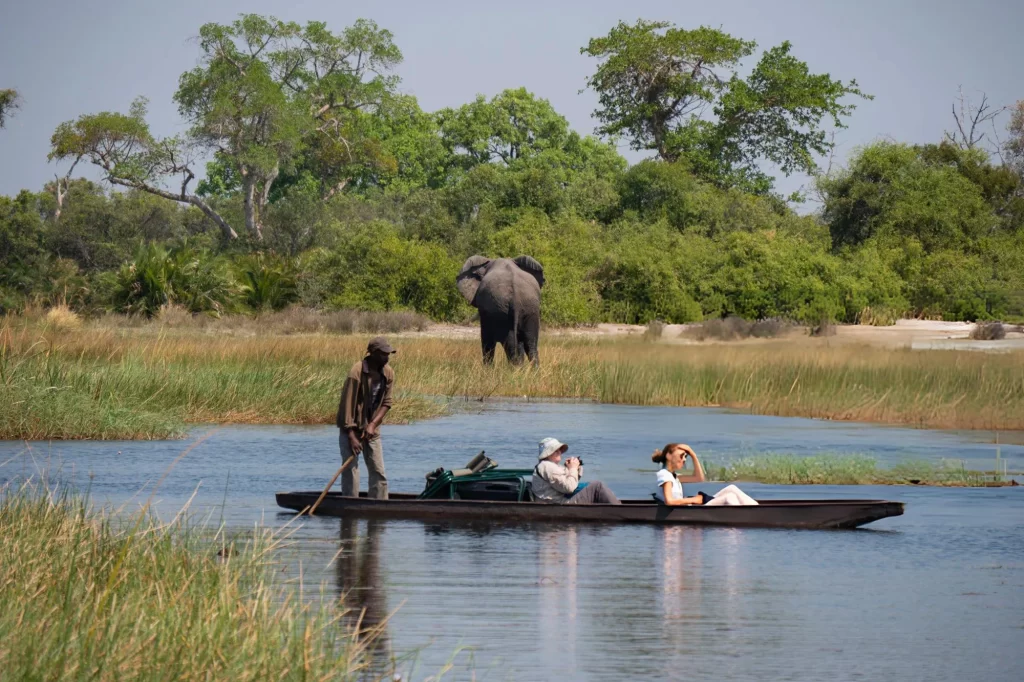
Meru National Park is Kenya’s best-kept secret. It sees a fraction of the visitors of the Masai Mara, Amboseli, or Samburu, yet holds all the Big Five — including both black and white rhino in a dedicated sanctuary — alongside northern-specialist wildlife and some of the most varied and dramatic landscapes in the country. Vast tracts have no roads and are explored on foot. The horizons are genuinely endless.
The wildlife is the reason. Meru’s recovery from the poaching crisis of the 1980s and 1990s — when it was virtually emptied of large mammals — is one of the Kenya Wildlife Service’s most significant conservation success stories. Today the park holds:
- All Big Five — lion, leopard, elephant, buffalo, and both black and white rhino
- 44 km² rhino sanctuary — home to 40+ white rhino and 20+ black rhino, with young animals born in the sanctuary
- Dry-country specialists — lesser kudu, gerenuk, Grevy’s zebra, Burchell’s zebra, beisa oryx, Grant’s gazelle, reticulated giraffe
- Hippo and Nile crocodile — in the thirteen rivers that cross the park en route to the Tana River
- Cheetah — present and seen on game drives on the open plains
The birdlife is exceptional. The Tana River corridor supports outstanding waterbirds and riverine species. Target species include the Pel’s fishing owl — one of Africa’s most sought-after birds, resident in ancient riverside trees — red-necked falcon, palm-nut vulture, and Somali ostrich. The park’s diverse habitats (scrubland, baobab savannah, riverine forest, grassland) concentrate species from both northern and central Kenya avifaunal zones.
The Born Free connection is real. Elsa’s Kopje lodge is built above George Adamson’s original campsite — the actual site where Elsa was raised and from which she was released. The kopje where she played is part of the lodge grounds.
Meru is open year-round and its low visitor numbers mean solitude is virtually guaranteed in any season. The practical variable is grass height and road conditions — both affected by rainfall.
June to October is the best overall window. Dry-season grass is shorter, wildlife concentrates around the park’s rivers and permanent water, and game drive conditions are most reliable. Elephants tend to remain near the rivers rather than dispersing into the park’s more remote zones.
November to March is also generally dry and productive, with clear skies and good visibility. The long rains (April to May) bring high grass that can obscure animals and make some tracks difficult, and some sections of the park become inaccessible.
Main dry season. Best game viewing — wildlife concentrates around the Tana River and the park’s thirteen tributaries. Rhino sanctuary visits are most productive with lower vegetation. Elsa’s Kopje’s kopje viewpoint gives panoramic views across the drying plains. The best window for both general game drives and specialist birding on the river systems.
Dry conditions with good visibility. Clear skies and comfortable temperatures. This window includes Christmas and New Year — Meru is an excellent alternative to the crowded Mara or Amboseli over the holiday period. Visitor numbers remain very low. Rhino sightings are consistent in the sanctuary.
Long rains. High grass reduces game drive visibility and some remote tracks become inaccessible. The park is at its most green and lush — good for photography and atmospheric for the riverine forest and kopje landscapes. Wildlife is present but harder to locate. Lowest rates and fewest visitors.
Getting here: Meru is 348 km from Nairobi — approximately 5–6 hours by road. AirKenya operates a daily scheduled flight from Wilson Airport to Meru airstrip (approximately 1 hour) — the most practical option for most visitors. If already in the area — at Laikipia or Samburu — driving to Meru is feasible and adds a natural third northern Kenya stop. A 4×4 is essential for all driving inside the park.
Key facts:
- Park size: 1,810 km² — larger than it appears on most maps, with vast trackless zones
- Rhino sanctuary: 44 km² fenced area holding 40+ white and 20+ black rhino; guided rhino tracking on foot available
- Part of a wider ecosystem including Kora National Park, Mwingi, Rahole, and Bisanadi reserves
- Kenya Wildlife Service entry fees apply; confirm current rates at booking
Accommodation:
- Elsa’s Kopje (from $687 all-inclusive) — Elewana Collection; on Mughwango Hill above George Adamson’s original campsite; homegrown food; spectacular views; the most historically significant and highest-quality lodge in the park
- Meru Wilderness Camp (from $550 all-inclusive) — classic mobile-style tented bush camp; deep inside the park; managed by the Laikipia Wilderness team; excellent for the adventurous traveller wanting genuine isolation
- Rhino River Camp (from $1,133) — intense jungle-riverine atmosphere; 8 rooms each with private meditation area; river waterfall soundtrack; rates do not include park fees — confirm full cost at booking
All rates are approximate starting prices — confirm current pricing and inclusions at booking.
Health and practical: Standard Kenya health precautions — anti-malarial prophylaxis recommended; Meru’s lower-altitude eastern sections carry a higher malaria risk than highland Kenya. Yellow fever requirements depend on travel history. Kenya e-visas at evisa.go.ke. Meru is hot and dry — carry significant water on all game drives. The park’s trackless zones mean self-drive without a guide is not recommended.





Some of Our
Frequently Asked Questions
Yes — Meru has one of Kenya’s most productive rhino sanctuaries. The 44 km² fenced sanctuary holds over 40 white rhino and more than 20 black rhino, with young animals born inside. Guided rhino tracking on foot is available within the sanctuary — a completely different experience from vehicle-based viewing. Both black and white rhino in the same park is relatively rare in Kenya. Combined with the park’s other Big Five, Meru is a strong rhino destination alongside Lake Nakuru and Laikipia.
George and Joy Adamson hand-reared Elsa the lioness in Meru National Park and released her back into the wild here — the story that Joy Adamson wrote about in her 1960 book Born Free, adapted into the 1966 film of the same name. Elsa’s Kopje lodge is built directly above George Adamson’s original campsite on Mughwango Hill. The kopje (rocky outcrop) where Elsa played is part of the lodge grounds. For anyone interested in wildlife conservation history, the connection to this story makes Meru one of Africa’s most historically resonant destinations.
Both are northern Kenya parks with dry-country specialist wildlife unavailable in the south — gerenuk, lesser kudu, reticulated giraffe, Grevy’s zebra, beisa oryx, Somali ostrich. Samburu is more visited, more accessible, and better known; its Ewaso Ng’iro River setting is distinctive. Meru is significantly larger, much less visited, holds the Big Five including both rhino species, and has a deeper wilderness character — vast trackless sections, thirteen rivers, and genuinely remote camps. Travellers who have done Samburu typically describe Meru as the more rewarding next step.
AirKenya operates a daily scheduled flight from Nairobi’s Wilson Airport to Meru airstrip — approximately 1 hour. This is the most practical option for most visitors. The overland drive from Nairobi takes 5–6 hours; the road is manageable but a 4×4 is essential once inside the park. If already in Laikipia or Samburu, driving to Meru makes sense as a northern Kenya circuit addition.
June to October is the best overall window — dry conditions, shorter grass, and wildlife concentrated around the park’s river systems. November to March is also productive with clear skies and good visibility. April to May (long rains) brings high grass that reduces game drive visibility and some tracks become impassable. Meru’s very low visitor numbers mean it is rewarding in every season — unlike the Masai Mara or Amboseli, you are unlikely to encounter other vehicles regardless of when you visit.
Yes — Meru, Samburu, and Laikipia form a natural northern Kenya circuit covering the region’s three most distinctive wildlife destinations. Driving between these parks is feasible with a 4×4 on the roads that run around the northern and eastern slopes of Mount Kenya. Scheduled flights with AirKenya connect all three airstrips. A 10–12 day northern Kenya itinerary covering all three gives a complete and deeply rewarding off-the-beaten-track alternative to the standard Mara-Amboseli-Samburu circuit.
Testimonials
