Safari Blog
Guide to Climbing the Rwenzori Mountains of the Moon, Uganda

Overview
Rwenzori Mountains National Park, located in southwestern Uganda along the border with the Democratic Republic of Congo, is a UNESCO World Heritage Site renowned for its stunning natural beauty and biodiversity. Gazetted in 1991, the park encompasses approximately 996 square kilometers and features Africa’s third highest peak, Margherita Peak, which rises to 5,109 meters. The park is characterized by diverse ecosystems, including lush montane forests, alpine meadows, and glaciers, making it a vital habitat for numerous endemic species. The Rwenzori Mountains, often referred to as the “Mountains of the Moon,” are not only significant for their geological features but also for their cultural heritage and historical importance as a source of the Nile River.
The park’s unique geography supports a rich variety of flora and fauna. It hosts over 217 bird species and numerous mammals, including elephants, leopards, and various primate species such as chimpanzees and black-and-white colobus monkeys. The vegetation zones vary with altitude, ranging from tropical rainforests at lower elevations to snow-capped peaks at higher altitudes. This diversity makes Rwenzori Mountains National Park a critical area for conservation efforts and ecological studies234. Additionally, the park has been recognized for its significance in climate research due to its unique weather patterns and glacial formations that have been impacted by climate change.
Rwenzori Mountains National Park is a premier destination for hiking and mountaineering enthusiasts. The park offers several established trekking routes that cater to different skill levels, with the most popular being the seven-day trek to Margherita Peak. This trek is challenging due to the high altitude and variable weather conditions but rewards climbers with breathtaking views of glaciers, lakes, and unique vegetation. For those seeking less strenuous activities, day hikes and nature walks are available, allowing visitors to explore the rich biodiversity without attempting to summit the peaks. Accommodations range from basic huts along the trails to more luxurious lodges nearby, providing options for all types of adventurers

The Rwenzori Mountains’ Striking Scenery
Rwenzori Mountains National Park offers a visual feast of magical landscapes, some of the most beautiful in Africa. Its snow-capped peaks, including Africa’s third-highest peak, Mount Stanley, stand in stark contrast to Uganda’s equatorial climate. These icy summits, adorned with glaciers and ice formations, create an intriguing wonder in the wilderness of Africa.
As you venture deeper into the park, you’ll be enveloped by dense montane forests with unique flora and fauna. Giant lobelias, heathers, and groundsels paint the lower slopes with vibrant colors, while the forests provide a haven for a variety of bird species and rare primates like the Rwenzori colobus monkey.
Ascending higher into the Rwenzori Mountain range, the vegetation undergoes a dramatic transformation. Bamboo forests emerge, eventually giving way to mountain Rwenzori’s snow-capped peaks and moss-covered alpine meadows. These grassy expanses are dotted with sparkling glacial lakes, reflecting the surrounding Rwenzori Mountain peaks like shimmering mirrors.
The park is also known for its numerous waterfalls, cascading down rocky cliffs and adding to the enchanting scenery. The Mubuku River, one of the park’s major waterways, meanders through the landscape, creating picturesque scenes and sustaining the park’s unique wildlife in the area.
Exploring Rwenzori Mountains National Park is like stepping onto a mythical planet where tropical and alpine environments form dreamy Disney-like wonderlands. The rugged beauty, ever-changing ecosystems, and sparkly vistas create a tranquil and wondrous atmosphere that will leave a lasting impression on every visitor.

Wildlife Encounters
The Rwenzori Mountains National Park isn’t just a visual masterpiece; it’s also a sanctuary for some of Africa’s rarest and most intriguing wildlife. The park’s diverse habitats, ranging from lush montane forests to high-altitude moorlands, support a remarkable population of unique species.
As you ascend through the various vegetation zones, you’ll encounter unique and endemic animals that have adapted to the challenging mountain environment. Keep your eyes peeled for the elusive Rwenzori three-horned chameleon, a master of camouflage that blends seamlessly with the foliage.
Deep in the misty wilderness of the mountains, you might be fortunate enough to spot the charming Rwenzori colobus monkeys. Their graceful forms leap effortlessly through the canopy, their black and white coats contrasting with the verdant surroundings.

Birdwatchers exploring the Mountain Rwenzori, Uganda region will be delighted by the avian diversity, including the vibrant Rwenzori turaco, the melodious Rwenzori batis, and the jewel-like double-collared sunbird. These are just a few of the avian wonders that can be found nowhere else on Earth. The Rwenzoris are home to over 217 bird species, including 17 endemic species to the Albertine Rift region. This makes it one of Uganda’s most important birding areas (IBA).
The park’s pristine forests also provide refuge for larger mammals, including the elusive Rwenzori leopard (rarely seen) and the Rwenzori otter. Keep your senses alert, and you might be rewarded with a glimpse of these magnificent creatures in their natural habitat.
Every step you take on the Rwenzori Mountains trails unveils a new layer of nature’s intricate game. Whether it’s a fleeting sighting of a rare bird or the rustle of leaves that hints at the presence of a shy mammal, each moment in the park is a celebration of Africa’s untamed wilderness.

Hiking in The Rwenzori Mountains
Hiking Mount Rwenzori in Uganda is an unforgettable adventure through untamed wilderness and breathtaking landscapes not commonly seen elsewhere. The ethereal landscape of the Mountains of the Moon offers intrepid hikers an unmatched experience through a jungle of Africa’s natural wonders.
Hiking in the Rwenzori Mountains National Park is a transformative experience, especially for solo hikers on a path of self-discovery. The mountain jungles will embrace you in the raw beauty of the African wilderness. The trails wind through various terrains, from lifeful verdant montane forests to alpine meadows that sparkle like emerald gems.
Encounters with the rare and mysterious Rwenzori colobus monkeys add a touch of magic to your hike. With their striking black-and-white coats, these graceful primates move with an almost surreal elegance.

Each step of your journey unveils a new facet of the Rwenzori’s allure. You’ll encounter glacial lakes that shimmer like mirrors, reflecting the towering peaks that pierce the sky. The crisp mountain air livens your senses as you ascend to higher altitudes, where the landscape transforms into a breathtaking alpine wonderland. Amidst the silence of the snow-capped summits, you’ll forge a deep connection with nature and gain a profound appreciation for the untamed beauty surrounding you. Here, you’ll find yourself!

The Rwenzori Mountains hiking trails are known for their rugged terrain, demanding determination and resilience. However, they reward you with moments of triumph and self-discovery. Each ascent is a metaphor for life’s challenges, reminding you of your inner strength. Guided by expert rangers and supported by skilled porters, you’ll navigate the mountains with confidence, knowing that every hurdle paves the way for an unforgettable experience.
In the Rwenzori Mountains, you’ll find a sanctuary where time slows down and the distractions of modern life fade away. Surrounded by the mindless natural beauty of the wilderness—a melody of gentle breezes, birdsong, and the whirr of flowing streams. As the sun sets over this mythical landscape, you’ll forget the arduous climb, make memories, and contemplate your return to the embrace of Africa’s wildest sanctuary.

Climbing Routes and Itineraries
The Rwenzori Mountains National Park offers a variety of trekking routes to suit different experience levels and time constraints. Each route showcases unique aspects of the park’s diverse landscapes, from lush valleys to alpine zones.
- The Central Circuit: This popular trail is a 7-9 day trek that takes you through the Rwenzori Mountains wilderness. You’ll traverse the scenic Bujuku Valley, ascend Weismann’s Peak, and have the opportunity to conquer Margherita Peak, the highest peak of Mount Rwenzori and the third-highest peak in Africa.
- The Kilembe Trail: If you’re seeking a shorter and less strenuous option, the Kilembe Trail is a 3-4 day trek offering stunning views of glaciers and alpine lakes. It’s a fantastic choice for those with limited time or who prefer a more moderate challenge.
- Other Trails: The Rwenzori Mountains also offer more challenging high-altitude trails, including routes that summit multiple peaks and those that specifically target the demanding Margherita Peak climb. These expeditions typically require 7-12 days and are best suited for experienced climbers.
Careful planning is essential regardless of your Rwenzori Mountains climbing route. When selecting your itinerary, consider your fitness level, acclimatization needs, and time constraints. Hiring an experienced guide from a reputable Rwenzori Mountaineering Service is highly recommended to ensure your safety and enhance your overall Rwenzori Mountains trekking experience.

Short Treks in the Rwenzoris
The Rwenzori Mountains are a fantastic addition to any Uganda safari. Located near Queen Elizabeth National Park and Kibale Forest National Park, they are easily accessible from the gateway city of Kasese. You can reach Kasese from Entebbe, Kampala, or even Murchison Falls National Park.
If you’re looking to incorporate a shorter 2-5 day Rwenzori Mountains hike into your safari itinerary, several enticing options are available. These short treks are perfect for those who want to experience the Rwenzori Mountain range but have limited time.
- 2 Days: Mahoma Trail: This trek offers a taste of the Rwenzori Mountains’ splendor, reaching an altitude of 2,596 meters.
- 3 Days: Delve deeper into this alpine paradise, with treks reaching a maximum altitude of 3,174 meters.
- 4 Days: Mutinda Lookout: This challenging hike takes you to the Mutinda Lookout at a lofty 3,975 meters, rewarding you with panoramic views.
- 4 Days: Rwenzori Waterfalls: Explore the park’s captivating waterfalls, reaching up to 3,174 meters in altitude.
- 5 Days: Weismann’s Peak: This longer trek culminates at Weismann’s Peak, an impressive 4,620 meters above sea level.
These are just a few examples, and to enjoy the true beauty of the Rwenzori Mountains lies in your flexibility with costs and time. Our expert guides can tailor your trek to your interests, fitness level, and overall travel plans. Whether you seek a tranquil nature walk or a thrilling climb to new heights, we assure you that hiking the Rwenzori Mountains will enrich your once-in-a-lifetime African safari adventure.

High-Altitude Trails
For seasoned hikers seeking an adrenaline-pumping adventure at high altitudes, the Rwenzori Mountains offer some of the most thrilling trekking experiences in the world. Mount Stanley’s Margherita Peak, standing tall at 5,109 meters (16,762 feet), is the highest point in Uganda and a true crown jewel of the Rwenzoris.
With permanent glaciers, found in only three places in Africa—Mount Kenya, Mount Kilimanjaro, and the Rwenzoris—the ascent to Margherita Peak is an exhilarating and technical climb. You’ll need climbing Rwenzori Mountains gear like crampons, ropes, and ice axes to navigate the icy terrain.
While prior mountaineering experience is beneficial, the local guides are highly skilled professionals with an excellent track record of leading successful summit expeditions to Margherita Peak Rwenzori. If you’re in good physical condition and possess a strong determination, you can conquer the icy peaks of the Rwenzoris, even if you’re new to using crampons and ice axes.
Rwenzori Trekking Packages
To ensure proper acclimatization to the high altitude, a minimum of 7 days in the mountains is recommended before attempting the Margherita Peak climb. Here are some popular high-altitude routes to consider:
- 10 Days – Four Peaks Challenge: Conquer four of the Rwenzori’s highest peaks, including Margherita Peak.
- 10 Days – Margherita Peak Summit: Focus your efforts on reaching the majestic summit of Margherita Peak.
- 12 Days – Ultimate Rwenzori Challenge: Embark on a comprehensive trek that includes multiple peaks and challenging terrain.
- 7 Days – Mount Baker Trek: Ascend to the summit of Mount Baker at 4,842 meters (15,886 feet).
These high-altitude routes offer great opportunities for adventurers trekking Africa’s mountains for the first time to explore the stunning landscapes of the Rwenzoris. While they demand physical endurance and meticulous planning, our experienced team is here to guide you through an unforgettable high-altitude trekking adventure.


Essential Equipment and Safety Tips
Preparing for a successful and safe Rwenzori Mountains climb requires careful consideration of your gear and equipment. The mountain’s unpredictable weather and challenging terrain demand that you’re well-prepared.
Essential Gear & Equipment
- Sturdy Hiking Boots: Invest in high-quality, waterproof boots with ankle support to protect your feet from the rugged terrain and changing weather conditions.
- Layered Clothing: Dress in layers to adapt to varying temperatures, including a waterproof and windproof outer shell. The mountain Rwenzori Peak can get very cold, even in the summer months.
- Warm Sleeping Bag: Temperatures can drop below freezing, so a warm, insulated sleeping bag is crucial for a comfortable night’s rest.
- Trekking Poles: These provide stability and reduce strain on your knees, especially during descents.
- High-Quality Backpack: Choose a comfortable backpack with ample space for your gear, food, and water.
- Sun Protection: Pack sunscreen, sunglasses, and a hat to shield yourself from the intense equatorial sun at higher altitudes.
- Headlamp: A headlamp is essential for early morning starts and navigating in low-light conditions.
- Water Purification: Carry a water filter or purification tablets to ensure a safe drinking water supply throughout your trek.
- First Aid Kit: Pack a basic first aid kit with essentials like blister treatment, pain relievers, and bandages.

Safety tips and precautions
Climbing the Rwenzori Mountains can be a challenging and potentially dangerous undertaking. It’s important to prioritize your safety throughout the climb. Here are some safety tips and precautions to keep in mind:
- Acclimatization: Gradual ascent is key to acclimatizing to the high altitude. Allow your body time to adjust to the thinner air to avoid altitude sickness.
- Hydration: Drink plenty of water throughout your climb to stay hydrated. Dehydration can worsen the effects of altitude sickness.
- Listen to Your Guide: Your guide is an expert in the Rwenzori Mountains and will provide valuable instructions and advice. Follow their guidance closely.
- Be Aware of Your Surroundings: Watch out for loose rocks, slippery surfaces, and other potential hazards.
- Use Proper Equipment: Use appropriate climbing techniques and equipment, including ropes and harnesses, when necessary.
- Take Breaks: Rest regularly to conserve energy and prevent exhaustion.
- Prepare for Weather Changes: The weather in the mountains can change rapidly. Be prepared for rain, snow, and temperature fluctuations.
- Communicate: Inform a reliable contact person about your climbing plans and check in with them regularly.
- Know Your Limits: Listen to your body, and don’t push yourself beyond your capabilities. If you experience symptoms of altitude sickness, descend immediately.
Following these essential gear recommendations and safety tips ensures a safe, enjoyable, and unforgettable Rwenzori Mountains hiking experience.

Where to Stay: Lodges and Campsites
Planning your Rwenzori Mountains adventure involves considering where you’ll rest and recharge after a day of trekking. Fortunately, the park and its surroundings offer a range of accommodation options to suit various budgets and preferences.
Accommodation Within The Park:
Mountain Huts: The park provides basic huts at designated campsites along the climbing routes. These huts offer shelter, basic amenities, and a communal atmosphere for fellow climbers. The hiking huts include:
- Samilira Camp (3,170 meters)
- Kiharo Camp (3,460 meters)
- Mutinda Camp (3,588 meters)
- Kalalama Camp (3,134 meters)
- Sine Hut (2,596 meters)
- Bugata Camp (4,062 meters)
- Butawu Camp & Hunwick’s camp (3,974 meters)
- Margherita Camp (4,485 meters)
Camping Sites: For a more immersive experience, you can pitch your own tent at designated campsites within the park. This allows you to wake up surrounded by the Rwenzori Mountains’ natural beauty.
Accommodation Near the Park Entrance:
Luxury Lodges: If you prefer a more comfortable stay, several luxury lodges and eco-friendly resorts are located near the Rwenzori National Park entrance. These offer amenities like comfortable beds, hot showers, delicious meals, and sometimes even spa services.
Guesthouses and Budget Hotels: For budget-conscious travelers, guesthouses and hotels in nearby towns like Kasese offer a more affordable alternative.

Lodges at the base of the Rwenzori Mountains National Park
Rwenzori Trekkers Hostel: Located in Kyanjuki village near Kasese, this hostel is a popular choice for climbers. It offers various accommodations, including camping, dorms, and private rooms.
Ruboni Community Camp: Situated near the park entrance, this camp is run by the local Bakonzo community. It offers basic accommodation and an opportunity to experience Bakonzo culture through traditional dance performances and guided hikes.
Equator Snow Lodge: This lodge near the park entrance offers comfortable rooms and a range of outdoor activities, including guided treks in the Rwenzori Mountains.
Whether you’re seeking basic shelter in the mountains or a more luxurious experience near the park entrance, there are accommodation options to cater to your needs and enhance your Rwenzori Mountains National Park adventure.

Local Guides and Porters: Your Hiking Companions
Hiking the Rwenzori Mountains is made significantly easier and safer with the expertise of local guides and porters. These experienced professionals are intimately familiar with the terrain, weather patterns, and unique challenges of the Rwenzori Mountain range.
Why you should hire Rwenzori hiking guides:
- Expert Knowledge: Your guide possesses extensive knowledge of the Rwenzori Mountains, including the best routes, potential hazards, and fascinating insights into the region’s flora and fauna.
- Safety Assurance: With their experience and expertise, your guide will ensure your safety throughout the trek, providing guidance on acclimatization, first aid, and navigating challenging sections of the trail.
- Cultural Insights: Many guides are from local communities and can share valuable cultural insights, enriching your overall experience in the Rwenzori Mountains National Park.

Take A Guide!
Read our genuine comparison between guided and independent safari.
Why hire hiking porters:
- Easing the Load: Porters are responsible for carrying your main luggage, which can include food and essentials, allowing you to hike with a lighter load and focus on enjoying the scenery and the physical challenge.
- Local Support: Hiring porters provides income for local communities, contributing to the sustainable development of the region surrounding the Rwenzori Mountains National Park.
Hiring a local guide and porter not only enhances your safety and comfort but also supports the local economy and ensures a more authentic and meaningful experience in the Rwenzori Mountains. Several reputable trekking companies in Uganda, like the award-winning Nkuringo Safaris, offer comprehensive packages that include guide and porter services.
Permits and Regulations
Before embarking on your Rwenzori Mountains adventure, it’s crucial to understand the permits and regulations that govern climbing in this protected national park. These measures are in place to ensure the conservation of the park’s delicate ecosystem and the safety of all visitors.
Park Permits
Hiking Permit: To trek in the Rwenzori Mountains National Park, you’ll need to obtain a hiking permit from the Uganda Wildlife Authority (UWA). This permit is mandatory and contributes to the park’s conservation efforts.
Fees: The park entrance fee is USD 35 for foreigners, USD 25 for foreign residents, and UGX 250,000 for East African citizens. The Rwenzori Mountains trekking permit costs USD 50 for foreigners, USD 40 for foreign residents, and UGX 50,000 for East African citizens.
Advance Booking: We highly recommend applying for your permit well in advance, especially during peak seasons, as a limited number of permits are issued daily.
Park Regulations
- Waste Management: Proper waste disposal is crucial to maintain the pristine environment of the Rwenzori Mountains. Pack out all your trash and follow the park’s waste management guidelines.
- Wildlife Interaction: Respect the park’s wildlife by observing from a distance and avoiding any actions that might disturb their natural behavior.
- Responsible Climbing: Adhere to responsible climbing practices, such as staying on designated trails, minimizing your impact on the environment, and following the instructions of your guide.
By obtaining the necessary permits and adhering to the park’s regulations, you preserve this unique ecosystem and ensure a safe and enjoyable experience for yourself and future generations of Rwenzori Mountains climbers.

Best Time For Climbing Rwenzori Mountains
Timing is key when planning your Rwenzori Mountains adventure. Choosing the right time to go hiking can significantly impact your experience, from weather conditions to trail visibility.
Dry Seasons: The Ideal Time for Climbing Rwenzori Mountains. The best time to trek in the Rwenzori Mountains is during the dry seasons, which occur twice a year:
- December to February: This period offers clear skies, minimal rainfall, and comfortable temperatures, making it an ideal time to tackle the Rwenzori Mountain range.
- June to August: The second dry season also provides favorable climbing conditions, with lower chances of rain and clearer views of the stunning landscapes.

Extend To Gorillas!
Go see the mountain gorillas after your trek and contrast both experiences. You’ll be blown away!
Why the Dry Seasons are Best:
- Clear Visibility: The dry seasons offer the best visibility for enjoying the panoramic views of the Rwenzori Mountains National Park.
- Stable Weather: While mountain weather can be unpredictable, the dry seasons generally have more stable conditions, making your trek safer and more enjoyable.
- Reduced Rainfall: Less rain means the trails are less slippery, and fewer river crossings, making your hike more comfortable.
Important Considerations:
- Mountain Weather: Even during the dry seasons, it’s important to be prepared for sudden weather changes. Pack layers of clothing to adapt to varying temperatures, and always carry rain gear.
- Altitude Acclimatization: Regardless of the season, proper acclimatization is crucial for high-altitude climbs in the Rwenzori Mountains. Plan your itinerary to allow for gradual ascent and rest days to adjust to the thinner air.
While the dry seasons offer the most favorable conditions, the Rwenzori Mountains are accessible year-round. If you’re planning a trek during the wet seasons (March-May and September-November), be prepared for more challenging conditions, including rain, mud, and potentially lower visibility. Consult with experienced guides and trekking companies for advice and recommendations based on the specific time of year you plan to visit.
Overcoming Challenges
Climbing the Rwenzori Mountains is an exhilarating adventure, but it’s not without its challenges. The rugged terrain, high altitude, and ever-changing weather conditions can test even the most experienced trekkers. However, with the right preparation, a positive mindset, and the support of your guide and fellow climbers, you can overcome these obstacles and achieve your goal of reaching the Rwenzori Mountain peak.
High Altitude:
The highest peak of Mt Rwenzori, Margherita Peak, towers at 5,109 meters (16,762 feet) above sea level. At such high altitudes, the air is thinner, which can lead to altitude sickness. It’s crucial to acclimatize properly by ascending gradually and allowing your body time to adjust. Listen to your body, stay hydrated, and inform your guide if you experience any symptoms of altitude sickness.
Challenging Terrain:
The Rwenzori Mountains National Park hiking trails can be steep, rocky, and sometimes slippery. Proper footwear, trekking poles, and a good level of physical fitness are essential. Your guide will help you navigate the terrain safely, but be prepared for some demanding sections.
Changing Weather:
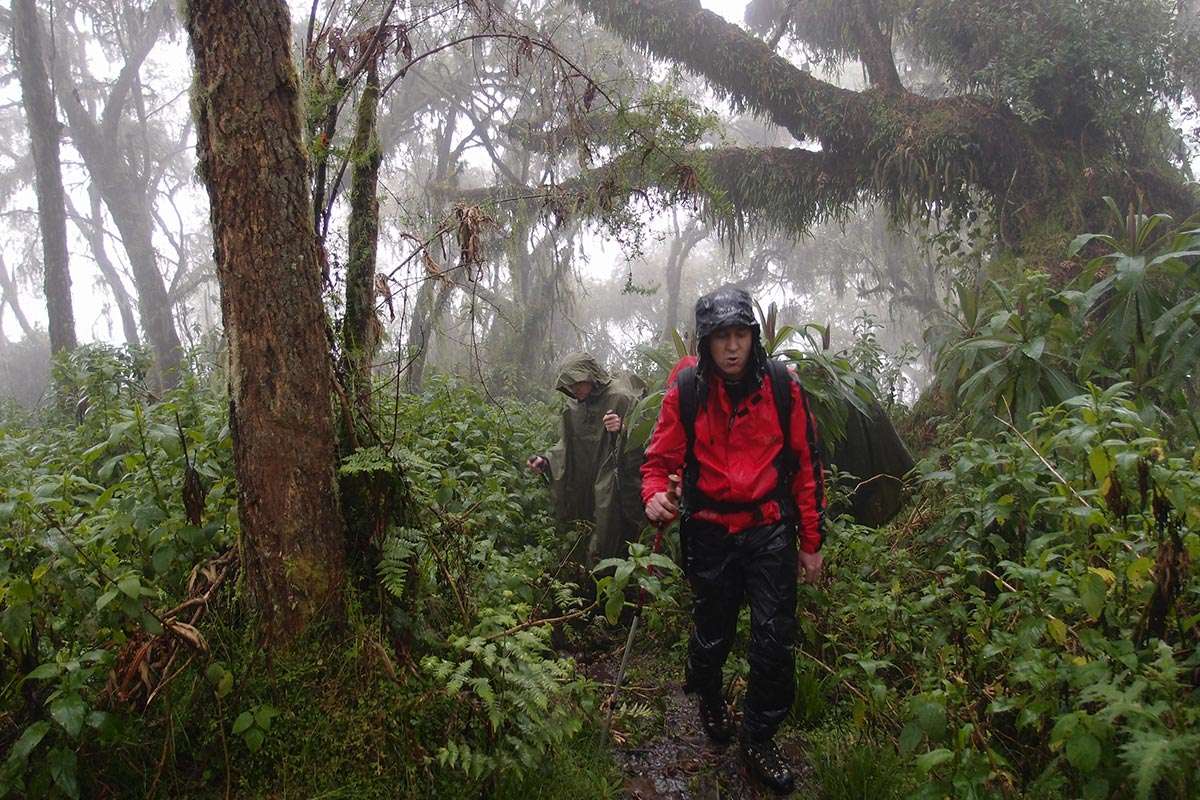
The weather in the Rwenzori Mountains can change rapidly, even within a single day. You might experience sunshine, rain, hail, or even snow. Packing layers of clothing to adapt to these fluctuations and always carrying rain gear is essential.
Mental and Physical Endurance:
Multi-day treks in the Rwenzori Mountains require both mental and physical stamina. Pace yourself, take breaks when needed, and maintain a positive attitude. Celebrate your accomplishments along the way, and remember that reaching the summit is a rewarding experience that makes the challenges worthwhile.
Tips for Overcoming Challenges:
- Train Beforehand: Prepare for your Rwenzori Mountains hike by engaging in regular physical activity, including hiking and cardio exercises.
- Pack Wisely: Bring appropriate gear for all weather conditions, including warm layers, rain gear, and sturdy hiking boots.
- Stay Hydrated: Drink plenty of water throughout your trek to prevent dehydration, which can worsen altitude sickness.
- Listen to Your Body: Don’t push yourself too hard. Rest when needed and communicate any concerns to your guide.
- Enjoy the Journey: Embrace the challenges as part of the adventure. The Rwenzori Mountains offer breathtaking scenery and unique experiences that make every step worthwhile.
With the proper preparation and a positive mindset, you can overcome the challenges of climbing the Rwenzori Mountains and create epic memories.
Photography Tips
The Rwenzori Mountains offer a visual feast for photographers, with breathtaking landscapes, unique flora and fauna, and dramatic lighting conditions. Most photographers seek out the highest mountain peaks in Africa, and Rwenzoris have several of them. Here are some tips to help you capture stunning images during your Rwenzori Mountains hike:
Essential Photography Gear:
- Versatile Camera: Choose a lightweight, weather-sealed camera that can handle the challenges of mountain conditions. A DSLR or mirrorless camera with interchangeable lenses offers the most flexibility. Remember to bring a detailed map of the Rwenzori Mountains for navigation.
- Wide-Angle Lens: Capture the vastness of the landscape, the towering peaks, and the dramatic vistas with a wide-angle lens.
- Telephoto Lens: Get close-up shots of wildlife, such as the Rwenzori colobus monkey or the elusive Rwenzori turaco, with a telephoto lens.
- Tripod: A tripod is essential for low-light photography, long exposures, and capturing sharp images of the mountains’ details.
- Polarizing Filter: Reduce glare from water and foliage, and enhance the colors of the sky and clouds with a polarizing filter.
- Extra Batteries and Memory Cards: Bring plenty of spares, as cold temperatures can drain batteries quickly, and you’ll want ample space for all your photos.
Photography
- Golden Hour Magic: Take advantage of the soft, warm light during the golden hours (early morning and late afternoon) for stunning landscape shots.
- Composition is Key: Experiment with different compositions, such as the rule of thirds, leading lines, and framing, to create visually interesting images.
- Include People for Scale: Incorporating hikers or local guides in your photos can provide a sense of scale and add a human element to your images.
- Focus on Details: Look for unique details, such as the intricate patterns on alpine plants, the texture of moss-covered rocks, or the vibrant colors of wildflowers.
- Respect the Environment: Avoid disturbing the natural environment or wildlife while photographing. Stay on designated trails and observe animals from a distance.
By following these tips and packing the right gear, you can capture the essence of your Rwenzori Mountains adventure and create lasting memories through your photographs.
Trek the Rwenzori Mountains with Nkuringo Safaris
The Rwenzori Mountains trekking expedition is a life-changing experience few travelers have experienced. From the physical and mental challenges to the stunning beauty of the African landscape, every step of the journey is filled with wonder and discovery. Whether you’re a seasoned mountaineer or a first-time adventurer, the Rwenzori Mountains National Park promises an unforgettable adventure.
Why Choose Nkuringo Safaris for Your Rwenzori Mountains Trek?
- Experienced Guides: Our team of expert guides possesses in-depth knowledge of the Rwenzori Mountains, ensuring your safety and enriching your trekking experience with their insights into the region’s flora, fauna, and cultural heritage.
- Customized Itineraries: We understand that every hiker has unique preferences and fitness levels. That’s why we offer tailor-made itineraries catering to your needs and aspirations.
- Responsible Tourism: We are committed to sustainable and responsible tourism practices, minimizing our environmental impact and supporting local communities in the Rwenzori Mountains region.
- Unparalleled Service: From the moment you inquire about our Rwenzori Mountains trekking packages to the final farewell, we provide exceptional service, ensuring a seamless and unforgettable journey.
Embrace the Challenge: Conquer the Rwenzori Peaks
The Rwenzori Mountains are always ready to challenge and inspire you. Lace-up your boots, pack your gear, and embark on this extraordinary adventure to conquer the “Mountains of the Moon.” Experience the thrill of reaching the summit, witness the unique biodiversity that calls this place home, and create memories that will last a lifetime.
Contact Nkuringo Safaris today and let us help you plan your Rwenzori Mountains trekking adventure. The Roof of Africa is calling – will you answer?

Testimonials
What Our Travellers Say
Discover more about
Our sustainability and conservation commitment
Nkuringo Safaris gives back by supporting local education, conservation, and creating jobs through community-driven tourism.