Safari Blog
Underrated Eco-Tourism Destinations in Africa


Eco-Tourism Destinations in Africa: Unknown Countries That Combine Adventure With Sustainability Perfectly Well.
Africa’s name often conjures images of the Serengeti’s vast plains, the Okavango Delta’s winding waterways, or South Africa’s Big Five safaris. But beyond these famous African destinations lies a treasure trove of eco tourism experiences waiting to be discovered. For travelers seeking authentic, immersive, and environmentally conscious adventures, the continent offers hidden gems that remain blissfully untouched by mass tourism.
This article is your passport to Africa’s most underrated eco-adventure destinations—places where nature thrives, conservation flourishes, and communities benefit from responsible tourism. Let’s explore the uncharted eco-tourism wonders of Uganda, Zambia, Malawi, and São Tomé and Príncipe.
1. Uganda
Gorilla Trekking, Conservation & Community
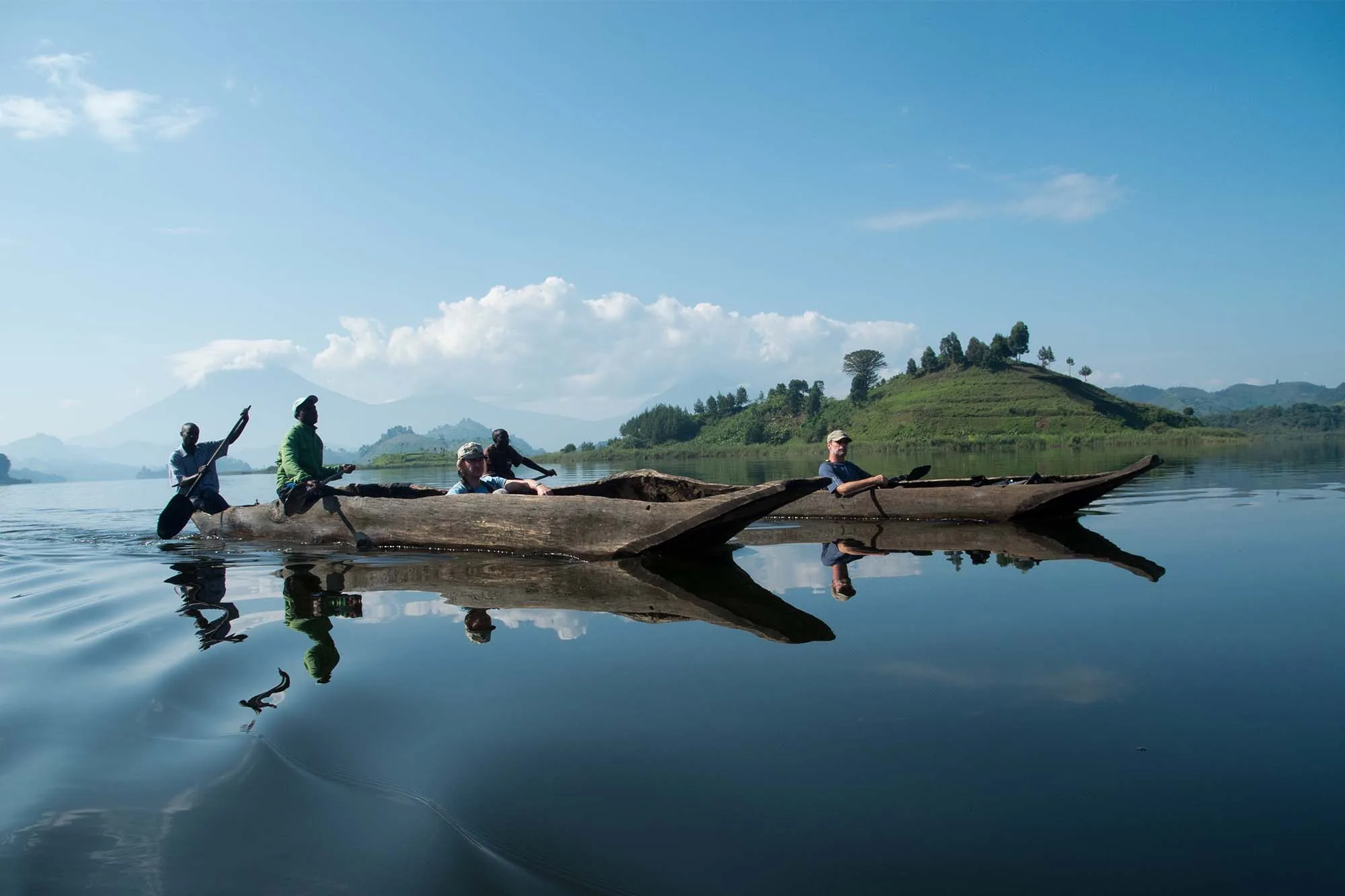
Uganda’s claim to fame is rightfully centered around the mountain gorillas of Bwindi Impenetrable National Park, one of the most profound wildlife encounters in the world. Gorilla trekking in Uganda intertwines conservation, wildlife preservation, cultural heritage, and community involvement. A perfect mix of sustainable travel and adventure bliss!
Beyond the awe-striking gorilla trek, Uganda offers a good selection of sustainable tours with landscapes ranging from dense rainforests to golden savannahs, providing a rich mix of wildlife encounters, thrilling hikes, and cultural immersion.
– Bwindi Impenetrable National Park: Top Sustainable Gorilla Tours Destination
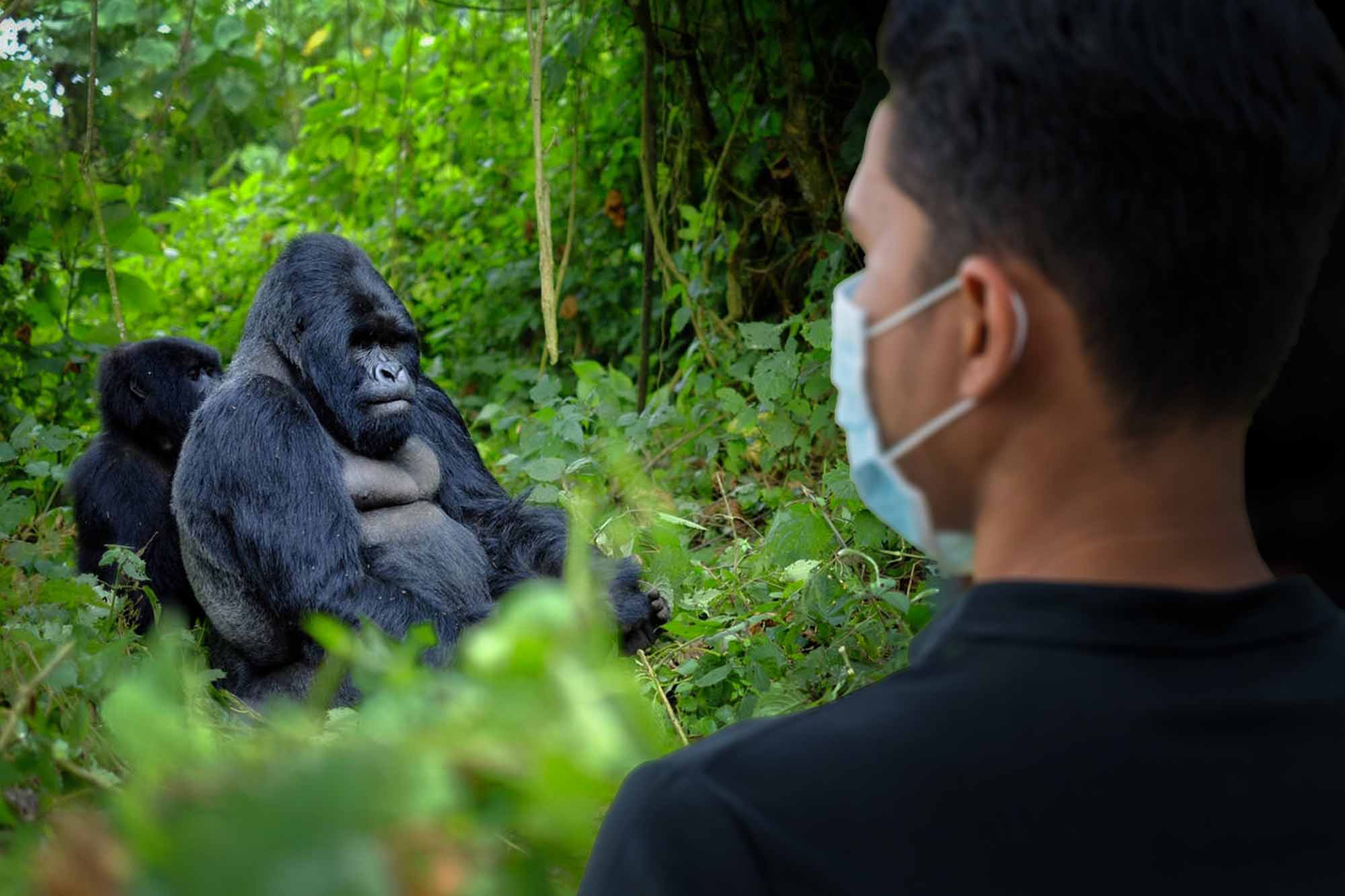
Bwindi is home to nearly half of the world’s remaining mountain gorillas, making it one of the most critical conservation areas on the planet. Trekking through its mist-covered forests is both physically challenging and deeply rewarding. Visitors, led by experienced trackers, navigate steep terrain in search of habituated gorilla families, ultimately witnessing their fascinating social interactions up close.
Why It’s Special: The opportunity to observe wild gorillas while directly supporting conservation efforts and local communities through strictly regulated eco-tourism initiatives.
Eco Tour Tip: Book a trekking permit or gorilla trekking trip that contributes to gorilla conservation projects and community-based initiatives supporting schools and healthcare. For an immersive and eco-friendly stay, choose Nkuringo Bwindi Gorilla Lodge or Volcano’s Bwindi Lodge, both dedicated to sustainability and responsible tourism.
– Kibale National Park: A Place Where You Walk Wild Chimpanzees
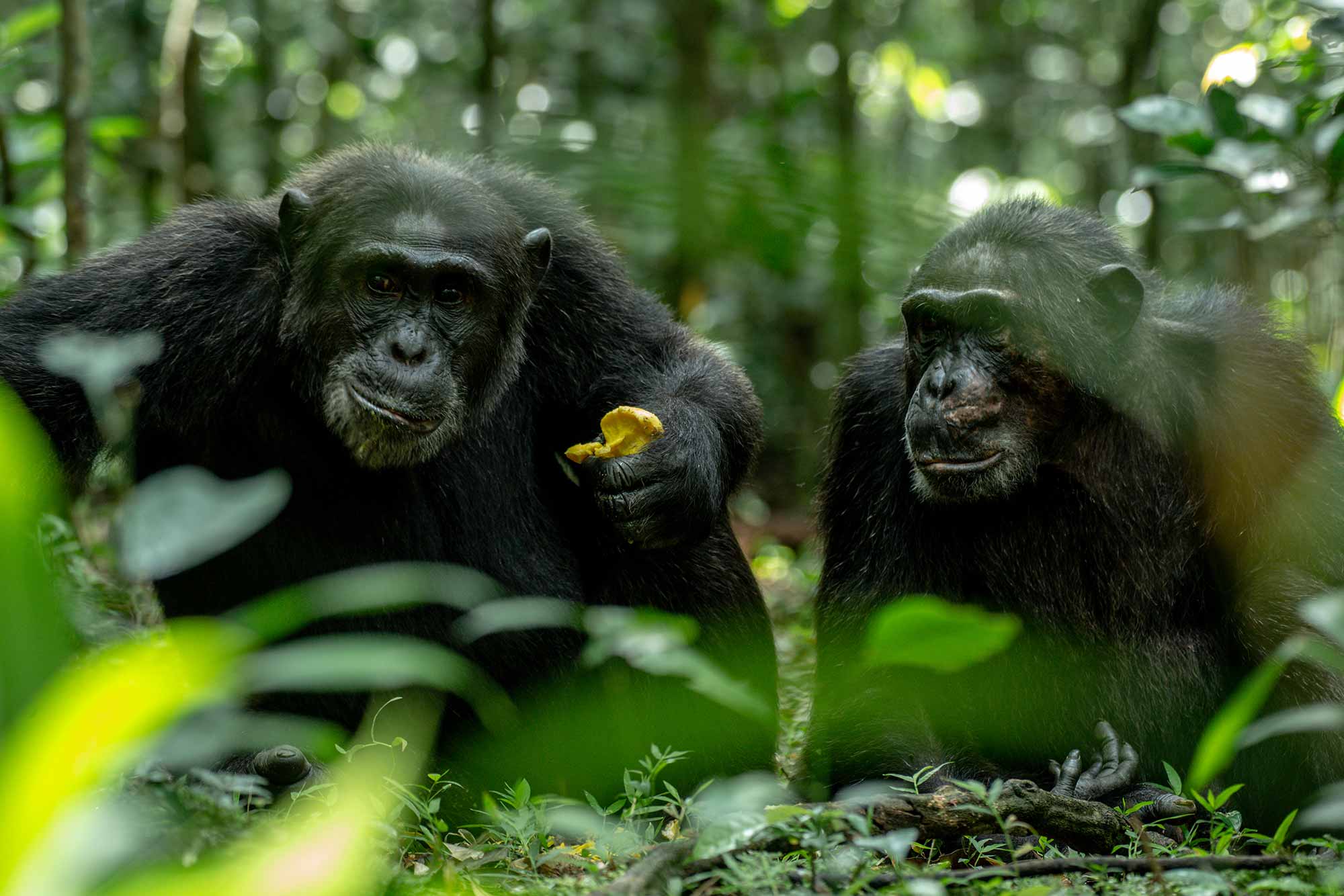
Kibale National Park is a primate paradise, home to over 1,500 chimpanzees and a haven for other primates like red colobus and L’Hoest’s monkeys. Kibale is a beacon of biodiversity and conservation excellence, making it a premier destination for eco-conscious travelers seeking immersive primate experiences in Uganda’s rich tropical forests. Here, visitors can engage in chimpanzee trekking adventures. A fast-paced adventure that takes visitors deep into pristine rainforests, tracking these intelligent creatures.
Why It’s Special: The most concentrated primate habitat in Africa, where visitors can witness complex primate behaviors in an untouched setting.
Eco Tour Tip: Opt for the Chimpanzee Habituation Experience, where visitors spend an entire day with researchers studying chimpanzee behavior. Stay at Primate Lodge or Ndali Lodge, both sustainably built lodges that support conservation efforts.
Top Eco-friendly Primates Adventures in Uganda
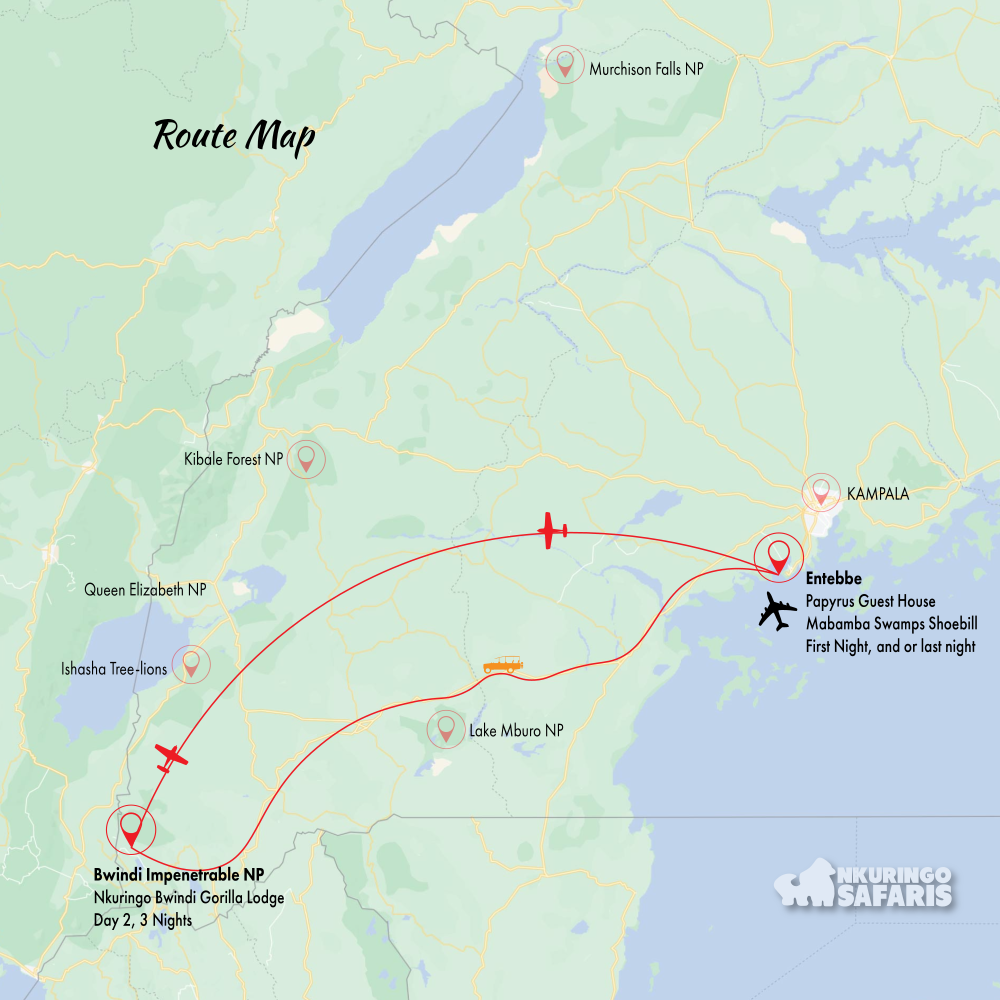
5-Day Gorilla Trekking Adventure (Fly-in).
From US $3,053 per person
- Quick getaway to Bwindi with 1 gorilla trekking experience.
- Stay in a luxury forest lodge.
- Perfect for time-sensitive travelers.
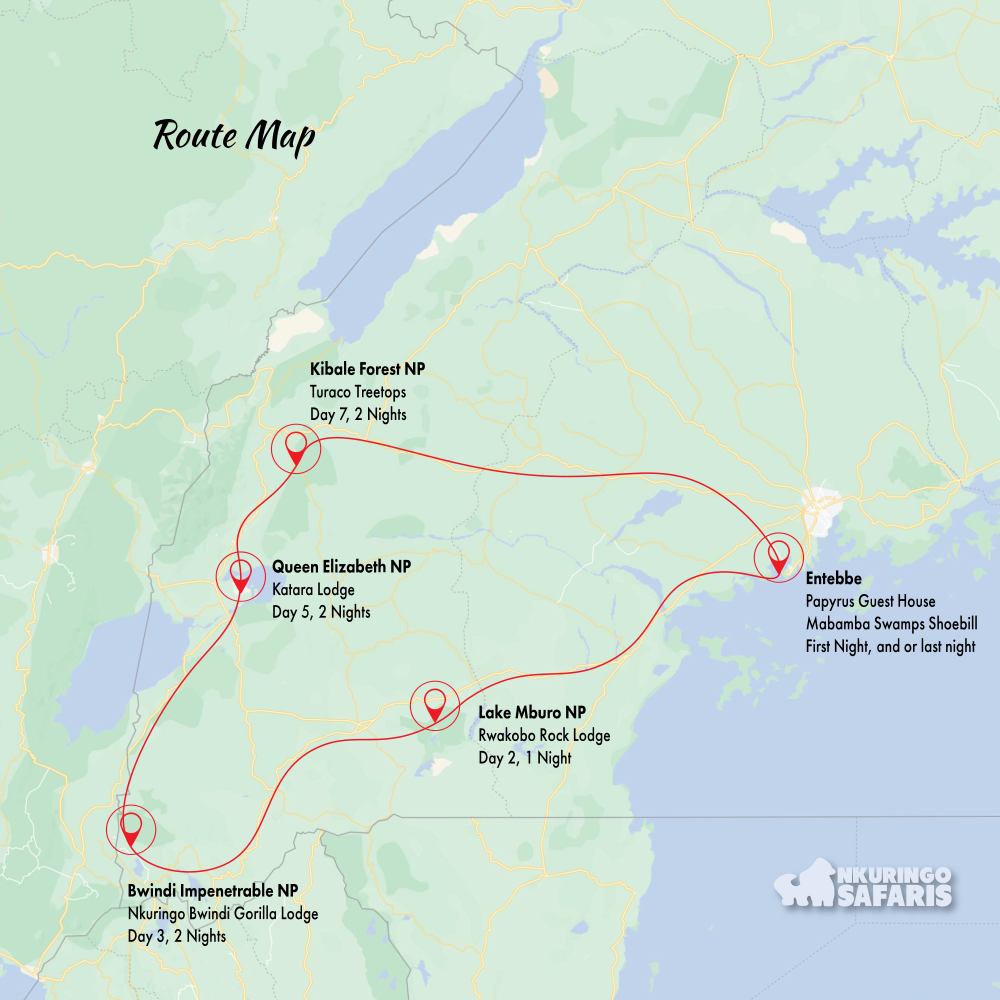
8-Day Classic Primates & Wildlife Safari.
From US $3,865 per person
- Chimpanzee & Gorilla Trekking
- Game drive & boat safari in Queen Elizabeth National Park.
- Stay in mid-range luxury lodges.

– Queen Elizabeth National Park: Unique Encounters & Water Safaris
While classic game drives abound here, Queen Elizabeth National Park sets itself apart with its remarkable diversity of ecosystems and experiences. The Ishasha sector is famed for its tree-climbing lions, a rare behavior that provides an incredible spectacle for visitors. Beyond the savannah, the park is also home to the stunning Kazinga Channel, where boat safaris offer intimate encounters with massive pods of hippos, Nile crocodiles, and an astonishing variety of birdlife. Another hidden eco tour gem within the park is Kyambura Gorge, often called the “Valley of the Apes,” where visitors can trek through a lush tropical forest to track a thriving population of wild chimpanzees, adding yet another layer to the park’s rich eco-adventure offerings.
Why It’s Special: The combination of boat safaris, tree-climbing lions, and chimpanzee tracking, all within one diverse ecosystem.
Eco Tour Tip: Visit the Ishasha sector in the dry season to see tree-climbing lions and stay at Ishasha Wilderness Camp or Kyambura Gorge Lodge, both designed with minimal environmental impact and a strong focus on sustainability.

2. Zambia
The Land of Walking and Canoe Safaris
For travelers who want to trade the confines of a 4×4 for the thrill of exploring on foot, Zambia offers a truly immersive eco tour where visitors can experience nature at its rawest. The country pioneered the walking safari, allowing travelers to engage with the environment in a way that is both educational and deeply personal, from tracking lions on foot to learning how indigenous plants are used for survival. With its expansive wilderness areas, Zambia ensures that adventurers can connect with the land, wildlife, and conservation efforts in ways that traditional safaris simply cannot provide.

– South Luangwa National Park: Wilderness at Your Feet
Dubbed one of Africa’s last truly wild places, South Luangwa National Park is one of Africa’s last true wilderness areas. This is where the concept of the walking safari was born. Here, travelers step away from the confines of a vehicle and walk through the untamed African bush, tracking lions on foot, following the scent of elephants, and reading the landscape the way ancient explorers once did. The silence of the surroundings is only broken by the distant call of a fish eagle or the rustling of leaves, making every moment an intimate connection with nature. As traveler Mark Jenkins recounts, “Our guide froze, whispered, ‘Stay still,’ and we watched as the leopard melted into the shadows. A moment so pure, it felt prehistoric.” Beyond the sustainable adventures, the park’s conservation efforts ensure that the delicate balance of this ecosystem remains undisturbed, offering eco-conscious travelers a truly authentic and sustainable wildlife encounter.
Eco Tour Tip: Book a twilight walking safari for rare encounters with nocturnal predators. Stay at Chikunto Safari Lodge or Time + Tide Chinzombo, which focus on sustainability through responsible tourism initiatives, energy-efficient accommodations, and direct conservation efforts while offering eco-conscious luxury through locally sourced materials, minimal environmental impact, and immersive wilderness experiences.

– Lower Zambezi National Park: Canoeing Past Elephants
Canoe safaris in Lower Zambezi National Park provide a low-impact alternative to vehicle safaris, allowing visitors to glide silently past elephants and hippos while reducing pollution and disturbance to the wildlife. As the canoe drifts silently along the Zambezi River, elephants wade gracefully in the shallows while hippos emerge from beneath the water, their deep grunts echoing across the landscape. This immersive journey not only brings visitors closer to nature but also supports conservation efforts by promoting sustainable tourism in one of Africa’s most pristine river ecosystems.
Eco Tour Tip: Visit during the dry season (July–October), when wildlife congregates around the riverbanks. Stay at Anabezi Camp or Chiawa Camp, both recognized for their sustainable tourism practices. These include renewable energy use, waste reduction initiatives, conservation-driven excursions, and strong partnerships with local communities to ensure economic and ecological benefits.
3. Malawi
Malawi, often overlooked in favor of its larger neighbors, offers sustainable tours both above and below the water. With a reputation for being one of Africa’s friendliest countries, Malawi’s landscapes range from rolling plateaus to one of the world’s most biodiverse freshwater lakes.

– Lake Malawi National Park: Freshwater Snorkeling
Lake Malawi is Africa’s great inland sea, an expansive body of water that holds an extraordinary ecological treasure. Home to over 1,000 species of cichlid fish found nowhere else on Earth, it is a vital ecosystem that supports both biodiversity and local communities who depend on sustainable fishing. The lake’s crystal-clear waters offer some of the best freshwater snorkeling and diving opportunities in the world, immersing visitors in an aquatic wonderland where every dive reveals a kaleidoscope of vibrant fish darting through the rocky reefs. Beyond its underwater beauty, eco-adventurers can kayak between remote islands, camp along untouched shorelines, and support conservation efforts that ensure the lake’s delicate balance is preserved for future generations.
Why It’s Special: The lake is so biologically unique that Charles Darwin himself would have been in awe.
Eco Tour Tip: The best eco-lodge option is Mumbo Island Camp, a fully solar-powered retreat that uses composting toilets, rainwater harvesting, and promotes a strict leave-no-trace policy to protect Lake Malawi’s delicate ecosystem.

– Nyika National Park: Horseback Safaris & Mountain Trails
Nestled in Malawi’s highlands, Nyika National Park is a striking contrast to the traditional African safari landscape, with rolling green hills stretching into the distance, reminiscent of the Scottish Highlands. The park’s unique plateau ecosystem is home to an array of wildlife, including zebras, roan antelope, and the elusive leopards that stalk through the grasslands. As an eco tour hub, Nyika offers sustainable horseback safaris and mountain biking trails, allowing visitors to engage with nature in a low-impact way. The park’s commitment to conservation ensures that its diverse flora and fauna continue to thrive, providing travelers with an unspoiled wilderness experience that blends adventure with environmental responsibility. British filmmaker David Attenborough called Nyika “one of Africa’s best-kept secrets.” After filming here, he described it as “wild, remote, and breathtaking.”
Why It’s Special: It’s one of the few places in Africa where you can go on a horseback safari, blending adventure with conservation.
Eco Tourism Tip: For an immersive experience in Nyika National Park, join a guided horseback safari, allowing you to traverse the rolling highlands with minimal environmental impact. Stay at Chelinda Lodge or Chelinda Camp to support sustainable tourism efforts, as both accommodations are committed to conservation and eco-friendly practices.

4. São Tomé and Príncipe
The Islands That Time Forgot
Floating off the western coast of Central Africa, São Tomé and Príncipe embody a pristine ecological haven where conservation and adventure intertwine. These islands, largely untouched by mass tourism, boast volcanic peaks, misty rainforests, and secluded beaches, offering an immersive eco-adventure experience. The region is a sanctuary for rare endemic species, including marine turtles and fascinating birds, while its rainforests provide crucial biodiversity corridors. Conservation efforts on the islands are spearheaded by local initiatives promoting sustainable tourism, ensuring that visitors can engage with nature responsibly while contributing to the preservation of this extraordinary ecosystem.

– Príncipe Biosphere Reserve
Príncipe, the smaller of the two islands, is a designated UNESCO Biosphere Reserve. It’s a sanctuary for rare endemic birds, sea turtles, and marine life.
Why It’s Special: Humpback whales migrate through its waters, offering unforgettable whale-watching opportunities.
Eco-tourism Tip: Visit Bom Bom Island Lodge, an eco-luxury retreat that focuses on sustainable tourism. Nestled on a secluded beachfront, the lodge runs on solar energy, offers locally sourced cuisine, and actively supports conservation projects, including marine turtle protection. Another excellent option is Sundy Praia Lodge, which seamlessly blends luxury with environmental responsibility. Constructed with sustainable materials and operating under strict eco-guidelines, it provides guests with an immersive rainforest experience while ensuring minimal impact on the surrounding ecosystem.
The Future of Eco Tourism in Africa
The rise of sustainable tourism in Africa has transformed the way travelers interact with destinations, shifting the focus from passive sightseeing to meaningful engagement. With an increasing awareness of how mass tourism can strain fragile ecosystems and local cultures, responsible travel has become a crucial way to ensure the preservation of these places for future generations.
With eco tourism in Africa, travelers directly contribute to conservation initiatives while enjoying their holiday with less negative impact on the destination. For example, the controlled number of trekkers in Bwindi Impenetrable National Park minimizes human impact on gorilla habitats while funding local community projects. Canoe safaris in Lower Zambezi prioritize non-intrusive wildlife encounters, reducing pollution and disturbances.
Many of these destinations also emphasize partnerships with indigenous communities, ensuring tourism supports local livelihoods through job creation, education, and sustainable business ventures.
Every walking safari, canoe expedition, and primate trek becomes more than an adventure—it becomes an act of preservation, fostering a balance between exploration and environmental stewardship.
The Real Adventure is in the Unexpected
While the Serengeti and Victoria Falls will always have their place, true adventure lies in the unknown. These underrated eco-tourism destinations offer intimacy, sustainability, and a deeper connection with nature—an invitation to explore Africa beyond the headlines.
So, the next time you’re planning an African escape, ask yourself: Why follow the crowds when you can forge your own path?
Sustainable Safari Packages For You!
8-Day Classic Primates & Wildlife Safari.
From US $3,865 per person
- Chimpanzee & Gorilla Trekking
- Game drive & boat safari in Queen Elizabeth National Park.
- Stay in mid-range luxury lodges.

12-Day Explore The Best of Uganda Safari.
From US $5,518 per person
- Primates – gorillas & chimp treks.
- Game drives and boat safaris in Queen and Murchison Falls.
- Both rainforest & savannah adventures.
Eco Tours With Nkuringo Safaris
For those looking to travel responsibly and authentically, Nkuringo Safaris is a leader in eco-conscious travel. Their curated experiences balance adventure, conservation, and community involvement, ensuring that every trip leaves a positive impact.
What Makes Nkuringo Safaris Unique?
- Sustainable Lodging: They operate Nkuringo Bwindi Gorilla Lodge, Papyrus Guesthouse, and Mirima Lodge in Kibale, all built with minimal environmental impact.
- Community Involvement: Through their Gorilla Junction Foundation, Nkuringo Safaris empowers local communities by investing in education and sustainable tourism.
- Conservation-Focused Trips: Each journey is ethically designed, ensuring wildlife protection and cultural preservation.
When you book with Nkuringo Safaris as a group or solo traveler, you get to support conservation, local communities, and sustainable tourism—while experiencing Africa’s most breathtaking landscapes.
The rise of eco-tourism means travelers now have the opportunity to explore responsibly. Controlled trekking in Bwindi, sustainable canoe safaris in Zambia, and community-led lodges are paving the way for a more ethical approach to travel. Plan your fulfilling trip with eco-adventure operators like Nkuringo Safaris to ensure your journey contributes to wildlife conservation and local economies.
The real adventure isn’t just in discovering new places—it’s in protecting them for the future.

Discover More About
Responsible Travel
You cannot get through a single day without having an impact on the world around you. What you do makes a difference, and you have to decide what kind of a difference you want to make. Our responsible travel policy allows guests to depart emotionally rich, more informed, more ecologically aware, and more appreciative of the natural resources, people and cultures.

Testimonials
What Our Travellers Say
Discover more about
How we’re giving back to the community
Nkuringo Safaris gives back by supporting local education, conservation, and creating jobs through community-driven tourism.