Safari Blog
How to Travel Responsibly in Uganda

From the towering Rwenzori Mountains, where glaciers glisten amidst equatorial sunshine, to the dense forests that harbor endangered mountain gorillas, Uganda offers a truly unique travel experience. However, with the growing popularity of tourism in this East African gem, it’s more important than ever to travel responsibly. This means minimizing your environmental impact, respecting local cultures, and contributing to the well-being of Ugandan communities. This comprehensive guide will equip you with the knowledge and insights to embark on a sustainable and enriching journey through Uganda.
Responsible Tourism Practices in Uganda
Responsible tourism is more than just a trend; it’s a commitment to preserving the natural and cultural treasures of a destination for future generations. In Uganda, responsible tourism involves minimizing negative impacts on the environment, wildlife, and local communities while maximizing the benefits of tourism for all stakeholders. It’s about making conscious choices that contribute to the well-being of the environment and the people of Uganda. Here are some key responsible tourism practices to keep in mind:
- Protect the environment and restore Uganda’s ecosystems. This includes minimizing waste, conserving water and energy, and supporting initiatives that protect and restore natural habitats.
- Allow businesses and local economies to operate profitably now and in the future. Support local businesses, choose accommodations and tour operators that prioritize sustainability, and contribute to the local economy in a way that benefits communities.
- Support social improvement and protect cultural identity. Respect local customs and traditions, engage with communities in a meaningful way, and support initiatives that promote cultural preservation and social development.
- Minimize your ecological footprint. Be mindful of your consumption habits, reduce waste, and choose transportation options that minimize your carbon footprint.
- Respect local customs and traditions. Learn about Ugandan culture and etiquette before you travel, dress modestly, and ask for permission before taking photos of people.
- Support local businesses. Choose locally owned accommodations, restaurants, and tour operators that invest in community development and prioritize sustainability.
- Respect wildlife and their habitat. When observing wildlife, maintain a safe distance, avoid disturbing their natural behavior, and follow the guidance of park rangers and guides. This is particularly important during gorilla trekking, where low tourist numbers and heavy restrictions are essential to prevent the gorillas from becoming distressed or catching diseases. Remember that even a common cold can be dangerous to these magnificent creatures.
- Avoid unethical tourism practices. This includes activities like orphanage tourism, which can be harmful to vulnerable children. Choose responsible tour operators that prioritize ethical and sustainable practices.
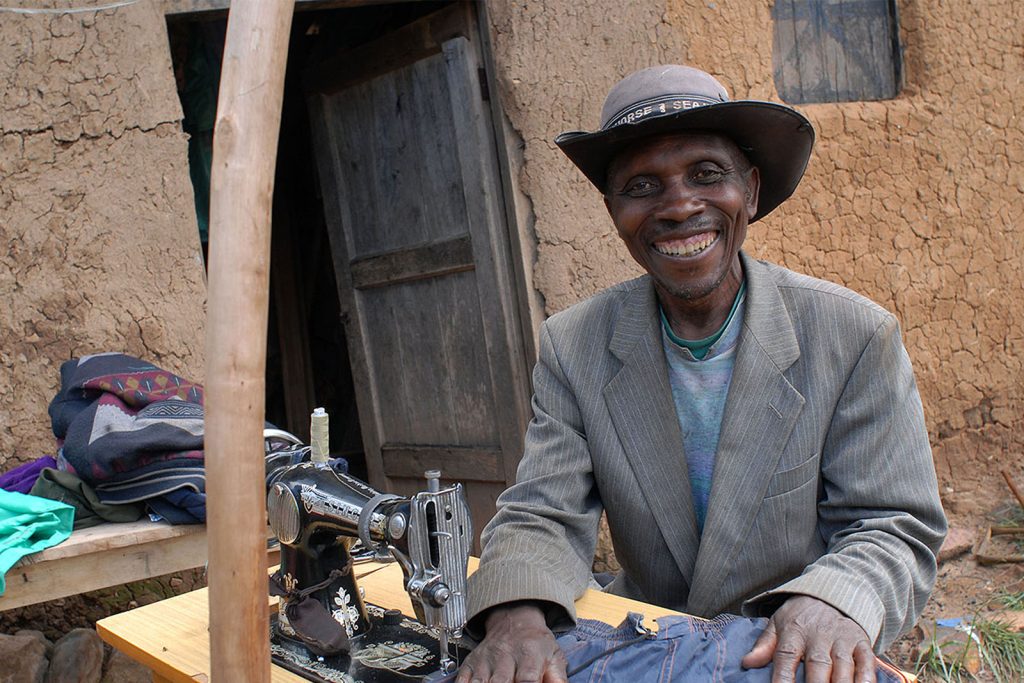
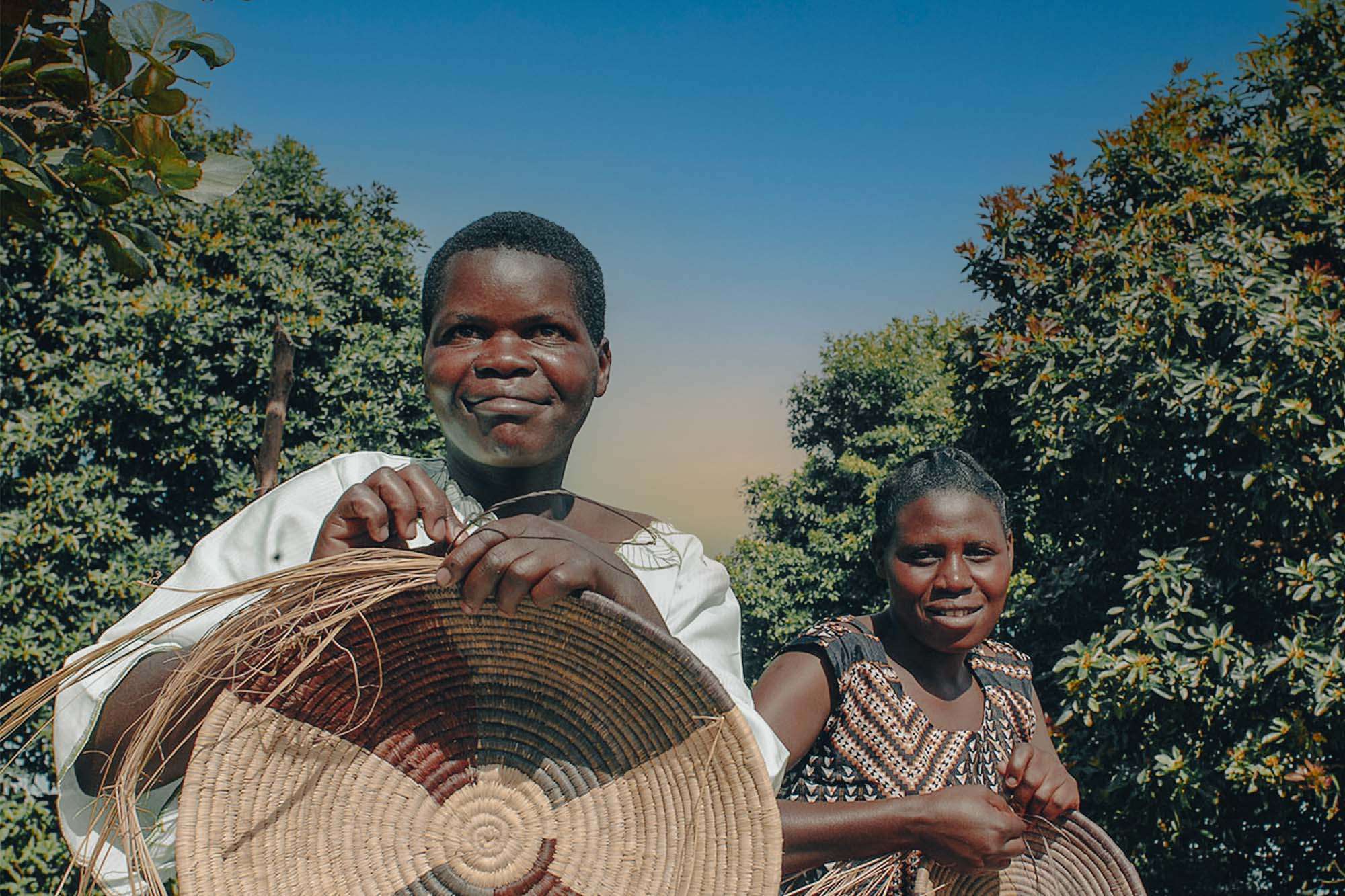
- Support local artisans and businesses. Consider purchasing crafts and souvenirs from outlets like the Ndere Centre and Banana Boat, which support local initiatives and provide fair wages to artisans.
By embracing these practices, you can ensure that your trip to Uganda is not only enjoyable but also contributes to the long-term sustainability of the country’s environment, wildlife, and culture.
Organizations Promoting Sustainable Tourism in Uganda
Several organizations in Uganda are dedicated to promoting sustainable tourism practices. These organizations work with various stakeholders, including tour operators, accommodation providers, and local communities, to ensure that tourism benefits both the environment and the people of Uganda. Here are a few notable organizations:
- Uganda Tourism Board (UTB): A statutory organization established by the Uganda Tourism Board Statute of 1994 and reconstituted in the Tourism Act 2008, UTB is responsible for sustainably promoting Uganda as a competitive tourism destination for inclusive development. UTB strives to demonstrate professionalism in all its operations, build new processes, ideas and services, and respond to existing challenges in offering tourism services. Key mandates of UTB include fostering cooperation among key stakeholders in the tourism sector, marketing the tourism sector, encouraging investment in the sector, and promoting education, training, and research.
- TourCert: An organization that promotes sustainable tourism development through its “Tourism Excellence Uganda” project. TourCert works with local partners to establish a qualification network and train tourism businesses on sustainability standards. The project aims to strengthen local structures and empower tourism stakeholders to embrace sustainable practices.
- Nkuringo Safaris: A tour operator with a strong commitment to responsible tourism. Wild Frontiers supports community upliftment programs, conservation initiatives, and educational projects through its Gorilla Junction Foundation. The foundation focuses on creating a new generation of conservationists, promoting sustainable and self-funding mechanisms for economic growth in local communities, encouraging staff volunteer programs, and ensuring that their impact on the environment is ethical, environmentally friendly, and sustainable.
- Global Sustainable Tourism Council (GSTC): The Uganda Tourism Board is a member of the GSTC, which establishes and manages global sustainable standards for tourism destinations and businesses. The GSTC Criteria serve as guiding principles and minimum requirements for tourism businesses and destinations to protect and sustain the world’s natural and cultural resources.
- Nkuringo Lodges: A collection of eco-friendly lodges that promote responsible tourism through sustainable practices and support for local communities. Nkuringo lodges are designed to minimize their environmental impact while offering guests a unique and authentic Ugandan experience.
Eco-Friendly Accommodations and Tour Operators in Uganda
Choosing eco-friendly accommodations and tour operators is a crucial step in responsible travel. These businesses prioritize sustainability, minimize their environmental impact, and often contribute to local community development.
Eco-friendly Accommodations
Eco-lodges in Uganda are designed to minimize their environmental footprint while offering a comfortable and immersive experience. They often incorporate sustainable architecture, renewable energy sources, waste management systems, and water conservation techniques.
| Accommodation | Location | Description |
|---|---|---|
| Nkuringo Bwindi Gorilla Lodge | Bwindi Impenetrable Forest | Luxurious and eco-friendly accommodations with breathtaking views of Bwindi Forest & the Virunga Volcanoes. |
| Mihingo Lodge | Lake Mburo National Park | Uses solar energy, supports community projects. |
| Kyambura Gorge Lodge | Queen Elizabeth National Park | Incorporates rainwater harvesting and organic farming. |
| Buhoma Lodge | Bwindi Impenetrable Forest | Promotes sustainable tourism while offering a luxurious experience. |
| Nile Safari Lodge | Murchison Falls National Park | Luxurious and eco-friendly accommodations with breathtaking views of the Nile River. |
Eco-friendly Tour Operators
Eco-friendly tour operators in Uganda prioritize sustainable practices, support local communities, and minimize the environmental impact of their tours. They often offer tours that focus on wildlife conservation, cultural immersion, and community engagement.
| Tour Operator | Description |
|---|---|
| Nkuringo Safaris | Promotes sustainable gorilla trekking and supports community experiences in the Bwindi area. |
| Wild Frontiers | Offers sustainable gorilla trekking and wildlife safaris, with a focus on preserving biodiversity and uplifting local communities. |
| Volcanoes Safaris | Focuses on sustainable tourism and community engagement, offering a variety of eco-tours and supporting local projects. |
Cultural Etiquette and Customs in Uganda
Uganda has a rich and diverse culture, with over 50 ethnic groups, each with its own unique customs and traditions. The concept of “Ebyaffe,” meaning “our heritage,” is deeply ingrained in Ugandan culture, emphasizing the importance of preserving and celebrating the country’s diverse cultural expressions. To ensure respectful interactions with local people, it’s essential to be mindful of cultural etiquette. Here are some key things to keep in mind:
- Greetings: Handshakes are the most common form of greeting. When greeting elders, extend both hands and bow slightly as a sign of respect.
- Respect for elders: Elders are highly respected in Ugandan culture. Show your respect by using appropriate titles, such as “Mr.” or “Mrs.,” and listening attentively when they speak.
- Photography: Always ask for permission before taking photos of people, especially in rural areas or at religious sites. It’s considered impolite to take photos without consent.
- Dress modestly: In rural areas and places of worship, dress modestly to show respect for local customs. For women, this often means covering shoulders and knees.
- Personal space: Be mindful of personal space, especially when interacting with people of the another gender. Avoid physical contact beyond a handshake.
- Gift-giving: Gift-giving is common during special occasions, such as weddings or religious festivals. If you are invited to someone’s home, it’s a nice gesture to bring a small gift, such as fruit or a local craft.
- Use of hands: Use your right hand for eating, greeting, and exchanging items, as the left hand is considered unclean.
- Communication: Ugandans often communicate indirectly, using stories and proverbs to convey their message. Be patient and attentive when engaging in conversations, and avoid interrupting.
- Public displays of affection: Avoid public displays of affection, as they are generally frowned upon in Ugandan culture.
By being mindful of these cultural norms, you can show respect for Ugandan traditions and foster positive interactions with local people.
Environmental Challenges Facing Uganda and Tourism’s Impact
Uganda faces various environmental challenges, including deforestation, land degradation, water pollution, and climate change. These challenges are interconnected and can be exacerbated by unsustainable tourism practices.
Deforestation, driven by the demand for timber, agricultural land, and fuelwood, leads to habitat loss, soil erosion, and decreased biodiversity. Land degradation, often caused by unsustainable farming practices and deforestation, reduces soil fertility and can lead to desertification. Water pollution, stemming from industrial waste, agricultural runoff, and inadequate sanitation, threatens both human health and aquatic ecosystems. Climate change, with its associated impacts of increased frequency and severity of extreme weather events, erratic rainfalls, floods, and prolonged dry seasons, further exacerbates these challenges.
Tourism can contribute to these environmental problems in several ways:
- Increased demand for infrastructure: The construction of hotels, roads, and other tourism facilities can lead to deforestation and habitat fragmentation.
- Waste generation: Tourism generates a significant amount of waste, which can pollute water sources and contribute to land degradation if not properly managed.
- Resource consumption: Tourism can put a strain on local resources, such as water and energy, especially in areas with limited infrastructure.
- Carbon emissions: Transportation, particularly air travel, is a major contributor to greenhouse gas emissions, which drive climate change.
It’s important to acknowledge that while tourism can have negative environmental impacts, it can also be a powerful force for conservation and sustainable development. By choosing eco-friendly accommodations, participating in responsible tours, and supporting initiatives that promote conservation and sustainable practices, tourists can help mitigate these negative impacts and contribute to a more sustainable future for Uganda.
In addition to the challenges mentioned above, it’s important to be aware of the specific environmental concerns identified by Ugandans themselves. According to a recent survey, Ugandans cite deforestation (48%), trash and plastic disposal (22%), pollution of water sources (11%), and human waste management (10%) as the most important environmental issues in their communities. This highlights the need for responsible tourism practices that address these local concerns and contribute to solutions.
Furthermore, the discovery of oil in Uganda’s Albertine Rift Valley has raised concerns about the potential impact of oil drilling on gorillas and wildlife. This fragile ecosystem is home to a wealth of biodiversity, and responsible tourism practices must prioritize the protection of these natural treasures. Organizations like Global Witness and WWF are actively campaigning against oil drilling in this sensitive area, and tourists can support these efforts by raising awareness and advocating for responsible resource management.
Local Communities and Initiatives that Benefit from Responsible Tourism
Responsible tourism can significantly benefit local communities in Uganda. By supporting local businesses, engaging in cultural experiences, and respecting local customs, tourists can contribute to the economic and social well-being of communities. Here are some examples of how responsible tourism benefits local communities:
- Job creation: Tourism creates employment opportunities in various sectors, such as hospitality, guiding, and crafts. This provides income and economic stability for local people, particularly in rural areas where job opportunities may be limited.
- Economic empowerment: Tourism generates income for local communities, enabling them to improve their livelihoods and invest in education, healthcare, and infrastructure26. This can have a significant positive impact on the overall well-being of communities.
- Cultural preservation: Tourism promotes the preservation and celebration of Ugandan culture and traditions. By showcasing their cultural heritage to visitors, communities can generate income while keeping their traditions alive.
- Conservation: Tourism supports conservation efforts by providing funding and raising awareness about the importance of protecting natural resources. This can contribute to the long-term sustainability of Uganda’s environment and wildlife.
- Community development: Tourism can contribute to infrastructure improvements and community development projects. This can include investments in roads, schools, healthcare facilities, and clean water systems, which benefit both tourists and local residents.
Several initiatives in Uganda promote community-based tourism, where local communities directly benefit from tourism activities. One example is the Batwa Experience in southwestern Uganda, where the Batwa pygmy community shares their traditional forest-living skills and heritage with visitors who have come to experience sustainable gorilla trekking. This initiative provides the Batwa people with an opportunity to generate income while preserving their cultural traditions.
Another example is the Rurambira Community Conservancy, where tourists can experience the culture and traditions of the Bahima people while contributing to conservation efforts. This community-driven initiative empowers local people to benefit from tourism while protecting their natural resources. It’s worth noting that women play a significant role in the Rurambira Community Conservancy, showcasing their traditional skills and knowledge to visitors. This highlights how responsible tourism can contribute to the empowerment of women in Uganda.
Furthermore, local communities are actively involved in addressing environmental challenges. In the Mpigi district, smallholder farmers, mostly women, are being trained to produce charcoal briquettes out of agricultural waste. This initiative not only provides a sustainable source of fuel but also reduces deforestation and greenhouse gas emissions.
To Wrap Up
Traveling responsibly in Uganda is not just about minimizing negative impacts; it’s about maximizing positive contributions to the country’s environment, communities, and cultural heritage. Choose eco-friendly adventures, accommodations and tour operators like Nkuringo Safaris, support local businesses, and respect cultural etiquette, and you will have a truly enriching and meaningful travel experience while contributing to the well-being of Uganda and its people.
The journey towards responsible tourism in Uganda presents both challenges and opportunities. Balancing tourism development with environmental conservation and community well-being requires a collaborative effort from all stakeholders, including government agencies, tourism businesses, and tourists themselves. Make informed choices and support initiatives that prioritize sustainability to ensure that tourism in Uganda remains a force for good, contributing to the country’s economic growth while preserving its natural and cultural treasures for generations to come.
As you plan your trip to Uganda, remember that every action you take as a tourist has an impact. Embrace the principles of responsible tourism, engage with local communities in a meaningful way, and contribute to the sustainable future of this remarkable destination.

Testimonials
What Our Travellers Say
Discover more about
Our sustainability and conservation commitment
Nkuringo Safaris gives back by supporting local education, conservation, and creating jobs through community-driven tourism.