Safari Blog
Uganda Plants Guide: Discover Uganda’s Flora Diversity


Uganda is home to an incredibly diverse range of plant species that thrive in its unique ecosystems. From vast savannas to dense tropical forests, Uganda’s flora plays a crucial role in supporting its rich biodiversity. This East African country offers a wide variety of plant life across its varied habitats, including open wooded savannahs, acacia woodlands, tropical and montane forests, riparian forests, grasslands, bush thickets, rocky outcrops, extensive wetlands, and marshes. Each of these plant communities forms the foundation of ecosystems that support abundant wildlife, primates, and birds.
Thanks to its location near the equator and its position on the African plateau, Uganda benefits from a stable tropical climate, which allows plants to flourish year-round. The diversity in altitude across the country further enhances the range of plant species found here, from lowland savanna grasses to high-altitude montane vegetation.
Lake Victoria, Africa’s largest freshwater lake, plays a key role in influencing the plant life in southern Uganda. The lake provides essential moisture to the surrounding areas, preventing the western shores from becoming dry and arid. Without this water source, many plant species would struggle to thrive. Nevertheless, most regions of Uganda receive substantial rainfall, ranging from 1,000 mm to 2,000 mm annually, which supports the lush growth of native plant species throughout the year.
Uganda’s flora is not only diverse but also integral to the survival of its ecosystems. The country’s rich plant life serves as the backbone for sustaining the wildlife, providing food, shelter, and maintaining ecological balance.
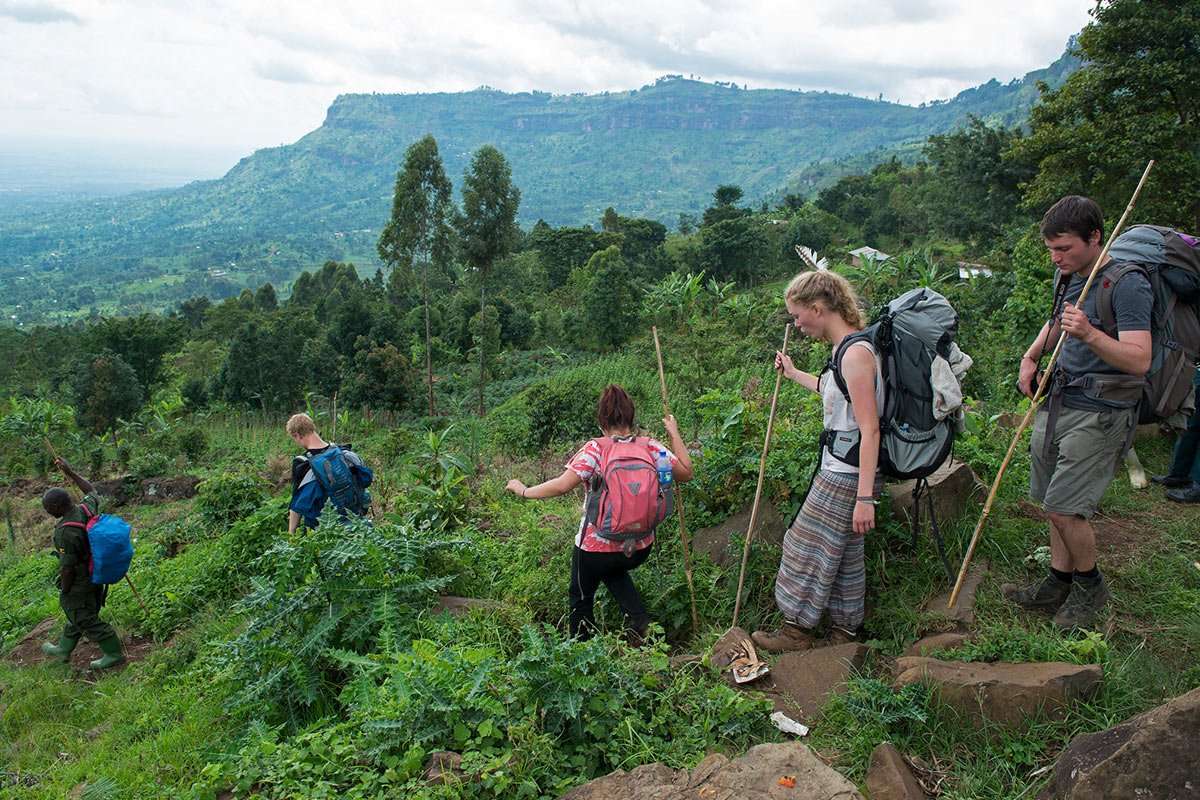
Plant Vegetation in Uganda’s Protected Natural Reserves
Uganda’s geographical diversity, characterized by a vast plateau with an altitude above 900 meters, numerous hills, valleys, and extensive savanna plains, gives rise to a wide variety of plant life. The diverse vegetation in Uganda is largely influenced by the country’s unique microclimates, with three main vegetation zones: the Lake region, the Northern Region, and the highlands of the Southeast. These zones host a rich array of plants in Uganda, ranging from thick forests and wooded savannahs in the south to more scattered vegetation in central and northern areas. In the highlands, particularly the southwest, intensive cultivation dominates, but patches of mvuli trees and elephant grass remain, providing essential timber resources.
In the cooler western highlands, long grasses and dense forest cover much of the landscape, while the drier northern region supports shorter grasses, thorn trees, and Borassus palms. Savannah grasslands, which make up a large portion of Uganda’s vegetation, vary greatly across regions. In the southwest, these grasslands are often wooded, becoming shrubbier as you move north, and transitioning into drier plains in the northeast. Uganda’s plant life supports a wealth of wildlife, from primates and elephants to lions and diverse bird species, making the country’s national parks and protected areas critical for both conservation and eco-tourism.


Private Uganda Safaris

Spend the holiday with Uganda’s Primates
8 Days Primates Safari

Long trip to uganda’s best destinations
14 days Tailored Safari

Plants and Scenery in Lake Mburo National Park
Lake Mburo National Park offers a strikingly diverse landscape, where grasslands, acacia woodlands, and tropical Rubanga forest thrive alongside the grassy escarpments. The park’s western margin is defined by rocky ridges and forested gorges, while its numerous lakes are bordered by papyrus swamps. To the north and east, sweeping grasslands give way to wetlands that feed into Lake Mburo. Unique rock kopjes dot the eastern edges of the park, contributing to its varied terrain. This diverse environment supports a remarkable array of plant species in Uganda, with over 350 recorded in the park, including acacias, euphorbia, cactus, African olive trees, and the striking red-flowered markhamia.
The flora of Lake Mburo National Park plays a key role in sustaining the wildlife that calls this park home. Visitors can spot iconic species like zebras, impalas, elands, buffalos, hippos, and crocodiles, all of which depend on the park’s rich vegetation for survival. With its scenic trails, boat rides on the lake, and picturesque views of grasslands and forests, Lake Mburo is a prime destination for nature lovers, birdwatchers, and those seeking an authentic savanna safari experience. Its accessibility makes it a popular stop on Uganda’s western safari circuit, offering visitors the opportunity to explore some of the country’s most vibrant and diverse plant life.
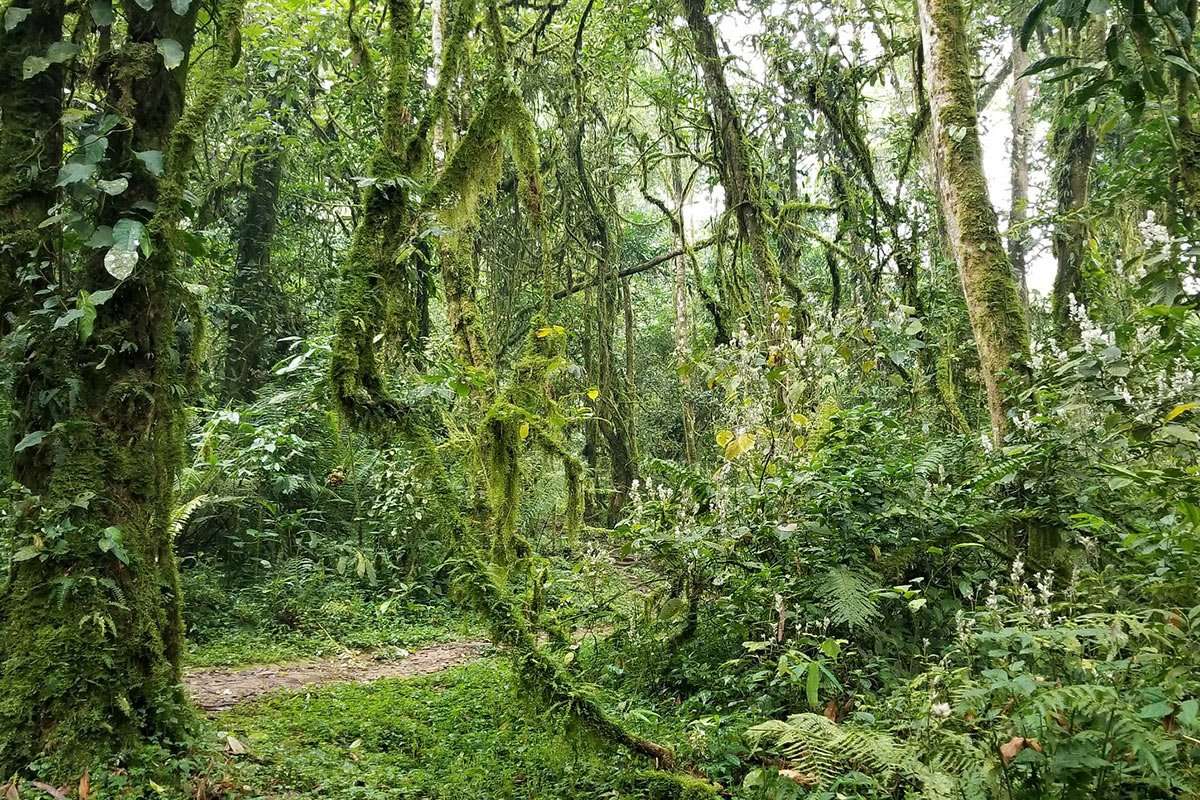
Bwindi Impenetrable Forest’s Montane Wilderness
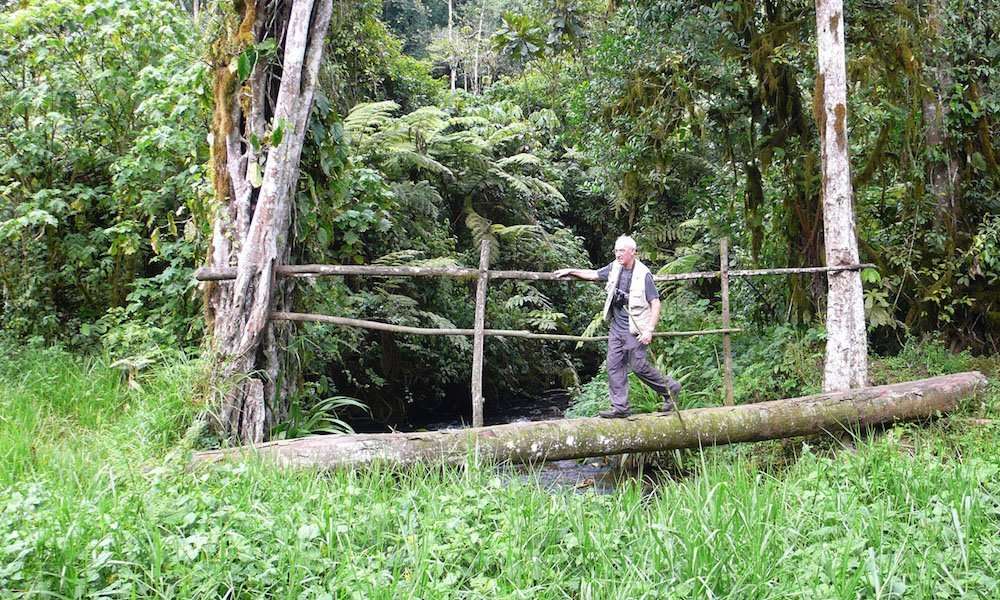
Bwindi Impenetrable Forest, renowned for its dense vegetation and biodiversity, is one of the most biologically diverse parks in Uganda. The forest, with its many shades of green, is vital for the conservation of Afromontane flora and fauna, particularly species endemic to the mountains of the western Rift Valley. This stunning landscape, characterized by rugged terrain, narrow valleys, and steep hills, supports a rich variety of plants in Uganda. Over 220 tree species thrive here, including the endangered brown mahogany and Brazzeia long pedicellate, along with more than 1,000 species of flowering plants and over 100 types of ferns.
Bwindi’s montane forest is not only a haven for plant diversity but also a critical habitat for endangered wildlife. It is home to over half of the world’s remaining mountain gorillas, making it a premier destination for gorilla trekking. The forest also supports other primates like the black-and-white colobus monkey and blue monkey, as well as forest elephants, bushbucks, and a variety of bird species. For visitors, Bwindi Impenetrable Forest offers a rare opportunity to explore one of Uganda’s most pristine ecosystems, with guided walks, wildlife encounters, gorilla trekking, and the chance to connect with nature in an unforgettable setting.
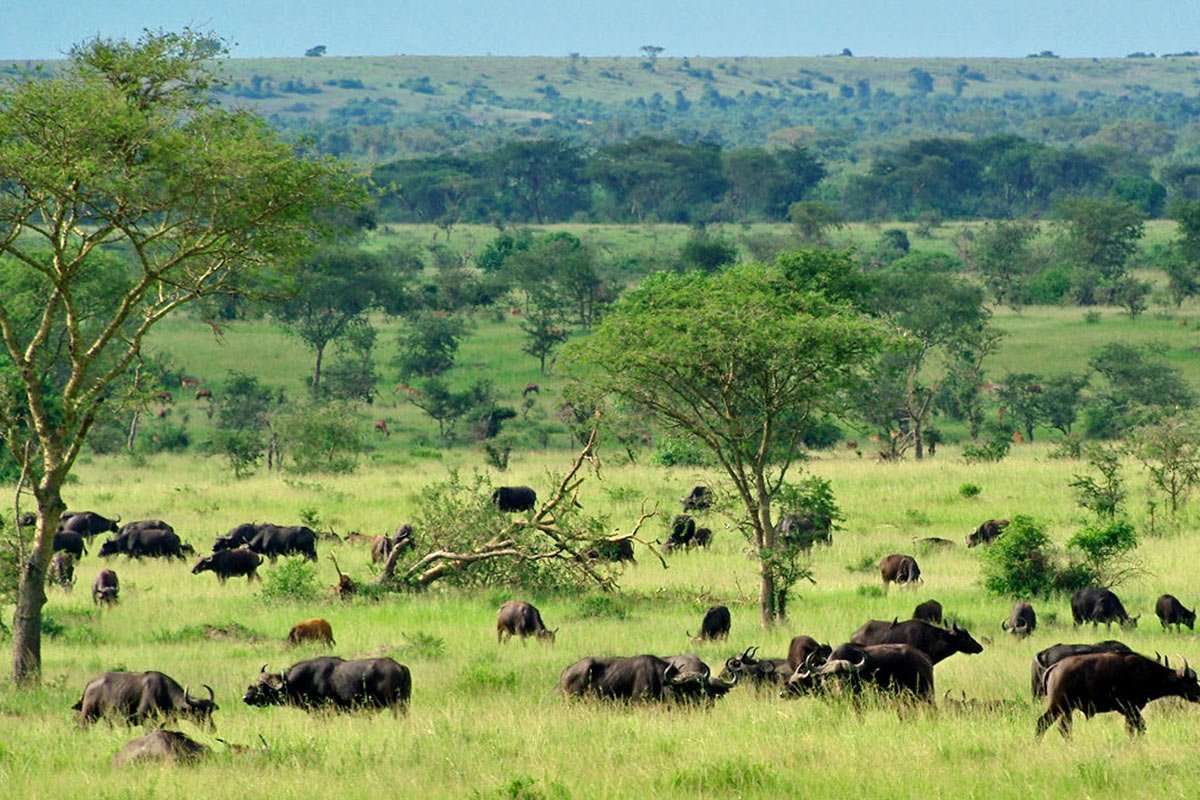
Savannah Flora in Queen Elizabeth National Park
Queen Elizabeth National Park is one of Uganda’s most diverse and breathtaking parks, featuring a wide range of habitats from savanna grasslands and tropical rainforests to stunning crater lakes and swamps. The park’s vegetation is equally varied, with dense thickets of small trees such as acacias, Capparis tomentosa, Dichrostachys cinerea, and various evergreen species. These diverse plant communities provide essential habitats for the park’s rich wildlife, making Queen Elizabeth National Park a prime destination for experiencing the unique flora and fauna of Uganda.
The park is divided into five distinct vegetation zones: bushy grasslands, Acacia woodlands, lakeshore or wetland vegetation, and forest grasslands. Each zone supports different plant species and wildlife. The bushy grasslands are home to iconic African wildlife, while the forest grasslands shelter primates. Around the Kabatoro gate, dense ground cover dominated by candelabra thorns can make game viewing a bit challenging. Along the shores of Lake George and near the Kazinga Channel, fringes of Vossia cuspidata and shrubs like Aeschynomene create a lush wetland environment, adding to the park’s scenic beauty.
Queen Elizabeth National Park’s diverse landscapes and rich plant life offer visitors an unforgettable experience, from game drives across the savanna to boat rides along the Kazinga Channel. The park’s flora not only enhances the scenery but also plays a crucial role in sustaining the wildlife, offering a deep connection to nature for those exploring Uganda’s wilderness.
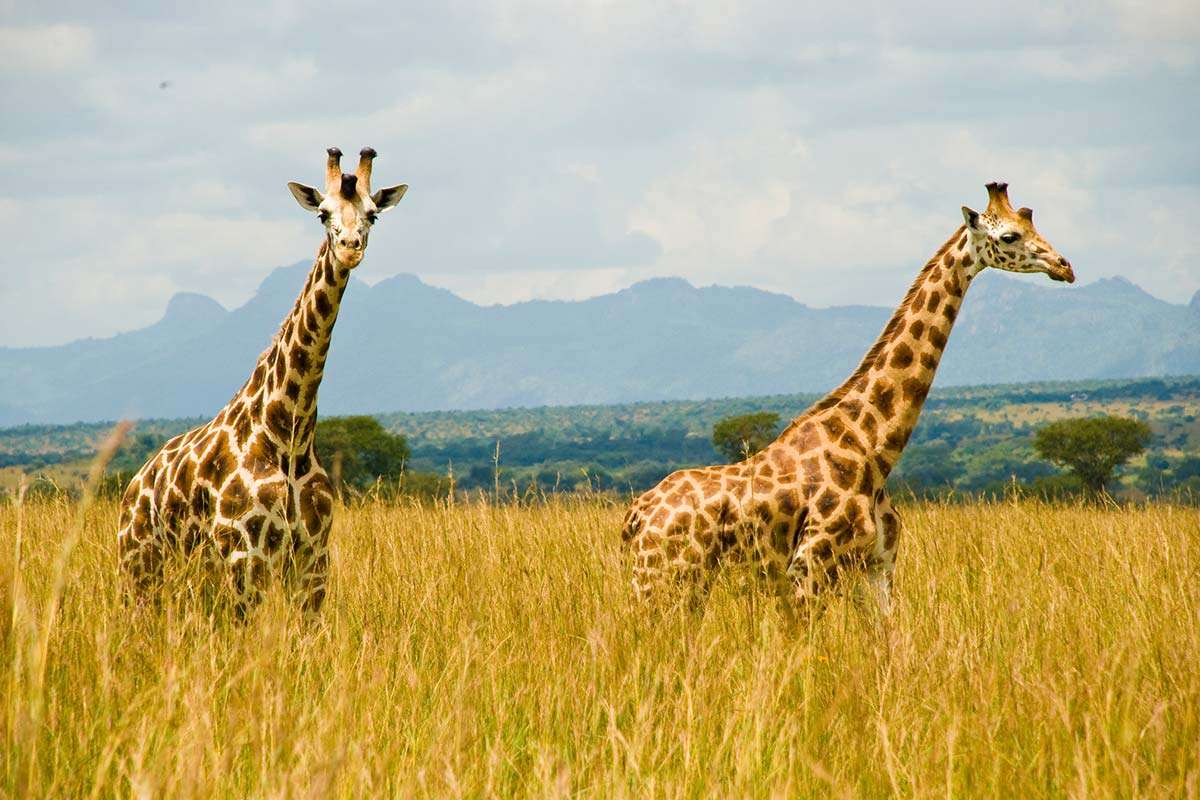
Kidepo Valley National Park’s Arid Landscapes
Kidepo Valley National Park, located in the arid Karamoja region of northwest Uganda, is known for its stunning savanna landscapes and dramatic mountain backdrops. The park’s vegetation is a mix of semi-arid plains, rocky outcrops, and rolling hills, showcasing a unique array of plants in Uganda. Divided into two main parts—the Narus Valley in the south and west, and the Kidepo Valley in the east and northeast—the park’s plant life revolves around its seasonal rivers. The Narus Valley, with its more consistent water supply, is home to well-developed Acacia gerrardii woodlands, while the Kidepo Valley remains dry except for the wettest months. The park’s overall vegetation is characterized by open tree savannah, interspersed with extensive grasslands, shrub-steppe, and bushland, offering a diverse structure and composition of plant species.
Visitors to Kidepo Valley National Park can experience the beauty of Uganda’s arid landscapes while exploring the rich plant life and unique wildlife. The semi-arid environment supports an array of iconic African species, such as cheetahs, lions, and leopards, which thrive among the park’s grasslands and Acacia woodlands. Beyond game drives, visitors can engage with the local Karamojong people, who have lived in harmony with the region’s ecosystem for centuries. Whether enjoying the sweeping views of the savanna or exploring the cultural and natural diversity, Kidepo offers an unforgettable opportunity to connect with nature and experience the unique plants in Uganda..
The Misty Rainforest of Kibale National Park
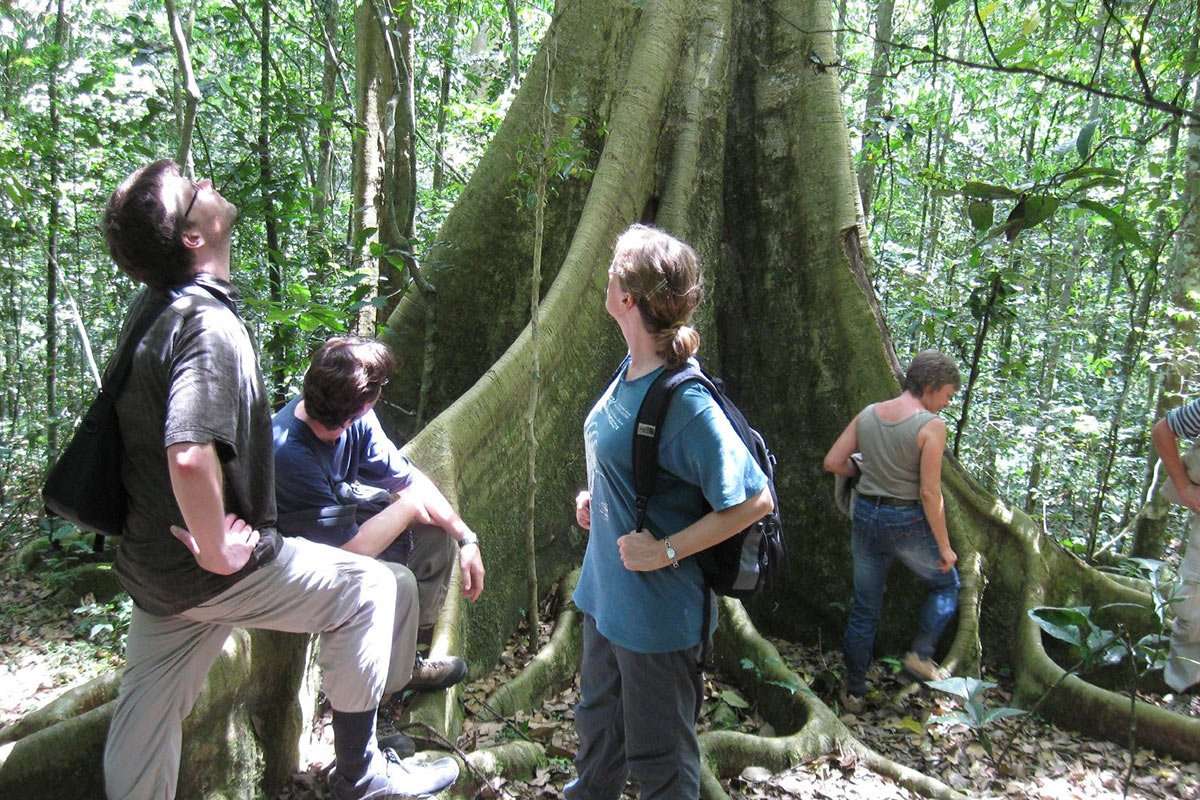
Kibale National Park, located near Fort Portal in western Uganda, is a mystical and stunning evergreen rainforest that showcases some of the most diverse plants in Uganda. Situated east of the Rwenzori Mountains, this park is home to endangered timber species such as Cordial millennia, Entandrophragma angolense, and Lovoa swynnertonii, highlighting its conservation significance. The forest understory is rich with shade-tolerant shrubs and herbs, including Palisota schweinfurthii and Pollia condensata, along with an array of ferns and broad-leaf grasses. With over 350 species of trees and shrubs, Kibale is one of the most botanically diverse rainforests in East Africa.
Beyond its incredible plant life, Kibale National Park is renowned for its primate population, boasting over 13 species, including chimpanzees, baboons, and colobus monkeys. Visitors can explore the rich plant life in Uganda through guided nature walks, allowing them to experience the intricate beauty of the rainforest while spotting unique wildlife. For a more immersive experience, chimpanzee tracking expeditions offer a closer look at one of Uganda’s most famous primate species. The serene, lush environment of Kibale provides an unforgettable opportunity to connect with nature and explore the diversity of Uganda’s tropical wilderness.

Semuliki National Park’s Ancient Forest
Semuliki National Park is a stunningly beautiful tropical lowland forest located within the Albertine Rift ecosystem, offering a unique display of plants in Uganda. Positioned at the crossroads of various climatic and ecological zones, the park’s distinct ecosystem is home to a rich variety of plant and animal species. The park’s vegetation is primarily medium altitude moist evergreen to semi-deciduous forest, with Cynometra alexandri (Uganda ironwood) being the dominant species. In addition, three other species of evergreen nature and swamp forest communities thrive in the park, reflecting its remarkable botanical diversity. Many of the plant species in Semuliki are shared with the Congo Basin forests, making the park an eastern extension of this unique plant life.
In addition to its diverse plant life in Uganda, Semuliki National Park is home to over 400 bird species, including rare birds such as Oberländer’s ground thrush and Sassi’s olive greenbul. The park also hosts more than 60 mammal species, including African buffalo, leopard, and the elusive Pygmy scaly-tailed flying squirrel. With eight primate species and nearly 460 butterfly species, the park is a haven for nature lovers. Visitors can enjoy guided nature walks, bird-watching excursions, or simply admire the peaceful atmosphere and stunning scenery of this ancient forest as they explore the remarkable plants in Uganda.

The Unique Botanical Gardens of Rwenzori Mountains National Park
Rwenzori Mountains National Park is renowned for its stunning snow-capped peaks and diverse landscapes, offering one of the most remarkable displays of plants in Uganda. The park’s vegetation spans from bizarre afro-alpine moorland to thick tropical rainforests on the lower slopes, with glaciers towering at the highest altitudes. The montane woodland, an open forest with dense ground cover, thrives at the park’s lower levels, while the bamboo zone, situated between 1,800m and 3,300m, covers 60% of the park and is a favored habitat for larger mammals. Medicinal tree species grow up to 3,200m in altitude, and the ground is covered with an array of mosses, grasses, lichen, and liverwort, reflecting the incredible botanical diversity of the region.
At higher altitudes, the park transitions into the subalpine zone, consisting of moorlands and the Afromontane belt, where vegetation is adapted to extreme conditions. This zone features striking flora such as giant senecio and lobelia, which thrive despite the harsh environment. The park’s botanical gardens offer visitors a unique opportunity to explore this diverse array of plants in Uganda, showcasing medicinal plants and rare species found only within the park. Visitors can embark on guided walks through these gardens to learn about the unique flora and their uses or explore the bamboo zone, montane woodland, and subalpine regions, all of which highlight the incredible biodiversity of the Rwenzori Mountains.
Trending Uganda Gorilla Safaris

A Mix of wild gorillas and savannah wildlife expedition
6 Days | Bwindi & Queen Elizabeth NP. FROM 2,538 pp, sharing

A Luxury fly-in, village hike and gorilla adventure
7 Days | Walking, Hiking, Culture & Gorillas FROM 3,417 pp, sharing
Rare Plant Species in Uganda and Their Uses
Uganda is home to a variety of rare plant species that have cultural, construction, and industrial uses. Here are some examples of these rare plants and their unique characteristics.
1. Candelabra Trees: Unique Appearance and Toxic Sap
Candelabra trees are found near the equator and can grow up to 30 to 40 feet tall. The branches all grow from one trunk, giving it the shape of a candelabra. It has beautiful yellow flowers but is also poisonous. If a drop of the white sap from the inner tree comes in contact with the skin, a blister will form or even blind you. The tree’s sticky, poisonous latex and sharp spines make it unpalatable for wild animals in Uganda.
2. Elephant Grass: A Hardy, Versatile Plant
Elephant grass is a species of perennial tropical grass native to the African grasslands. It has low water and nutrient requirements, making it suitable for otherwise uncultivated lands. It is tall and forms robust bamboo-like clumps, making it an ideal plant for creating fences and barriers.
3. Acacia Seyal: A Thorny Tree with Unique Leaves
Acacia Seyal, also known as red acacia or shittah tree, is a thorny, 610 m high tree with pale greenish or reddish bark. At the base of the feathery leaves are two straight, light grey thorns. They commonly grow on heavy clay soils in damp valleys and are used for construction and furniture making.
4. Eucalyptus: A Versatile Tree for Commercial Planting
Eucalyptus trees take over ten years to mature, and many hybrid Eucalyptus clones form the basis of both large and small-scale commercial planting programs. They are used for making paper, charcoal, and essential oils.
5. Baikiaea Insignis: A Legume Species Found in Uganda
Baikiaea Insignis, commonly known as Nkobakoba or Nkoba, is a legume species in the Fabaceae family. It is found in the South Buddu forests of Uganda and is used for medicinal purposes.
6. Acacia nilotica: A Tree Found on Nile Banks
Acacia Nilotica grows around the Nile banks and has high density with a dense spheric crown, stems, and branches, usually dark to black colored, fissured bark, grey-pinkish slash, exuding a reddish, low-quality gum. The tree has thin, straight, light, grey spines in axillary pairs and is used for tanning leather and making charcoal.
7. Other plant species include;
- Prunus Africana (Red stinkwood)
- Cycad, Santalum album (sandalwood)
- Annona senegalisis (wild custard apple)
- Cordia millenii (drum tree)
- Azadiracha indica (Neem)
- Butyrospermum paradoxum (Shear butter)
- Cajanas cajana (Pigeon pea)
- Jatropha curcas (pig nut, fig nut, physic nut)
- Kigelia Africana (sausage tree)
- Borassus aethiopum (Borassus palm)
- Tamarindus indica (tamarind)
- Vitex doniana (black plum)
- Olea europea (brown olive, wild olive).
Uganda’s diverse rare plant species have cultural, construction, and industrial uses. Candelabra trees, elephant grass, Acacia Seyal, Eucalyptus, Baikiaea Insignis, and Acacia nilotica are just a few examples of the unique plants found in Uganda that make it a must-visit destination for anyone interested in nature and conservation.

Testimonials
What Our Travellers Say
Discover more about
Our sustainability and conservation commitment
Nkuringo Safaris gives back by supporting local education, conservation, and creating jobs through community-driven tourism.