Safari Blog
Ethical Considerations of Gorilla Trekking

Sustainable Gorilla Trekking: How To Minimize Your Impact While Maximizing Your Experience
Deep in the mountainous tropical jungle of Central-East Africa, tourists come face-to-face with mountain gorillas, an experience dubbed gorilla trekking. This powerful experience is a privilege, a testament to decades of dedicated gorilla conservation efforts. You might wonder, “Should we even be doing this? Shouldn’t these magnificent creatures be left undisturbed?”
It’s a valid question. But the truth is, without human intervention, mountain gorillas would likely face a grim fate. Poaching, habitat loss, and disease threatened to drive them to extinction. In the year 2000, mountain gorillas teetered on the brink, with only an estimated 620 individuals left in the wild. They were classified as “critically endangered,” their future hanging in the balance.
But the story doesn’t end there. It was through carefully managed tourism, with its vital funding for anti-poaching patrols, habitat preservation, and community engagement, that the tide began to turn. Today, thanks to these collaborative efforts, the mountain gorilla population has rebounded to over 1,000 individuals, and their status has been upgraded to “endangered.”
Today, gorilla trekking offers a unique opportunity to see these African apes in their natural habitat, while simultaneously contributing to their survival. But this tourism must be ethical, responsible, and sustainable. This guide explores the ethical considerations for embarking on a gorilla trekking adventure that benefits both the gorillas and the communities that share their home.
The Impact of Gorilla Tourism
Gorilla tourism, like any form of wildlife tourism, presents a complex picture. It’s not simply black and white, but rather a nuanced interplay of benefits and challenges.
On the positive side, the economic benefits generated by gorilla tourism have been instrumental in the success story of conservation for these endangered primates. Revenue from trekking permits directly funds vital conservation activities:
- Anti-poaching patrols: Protecting gorillas from poachers is a constant battle. Tourism revenue provides the resources to equip and deploy rangers to safeguard these animals.
- Habitat preservation: Expanding and maintaining protected areas is crucial for gorilla survival. Tourism helps finance the purchase of land, preventing encroachment and deforestation in the protected places where gorillas live.
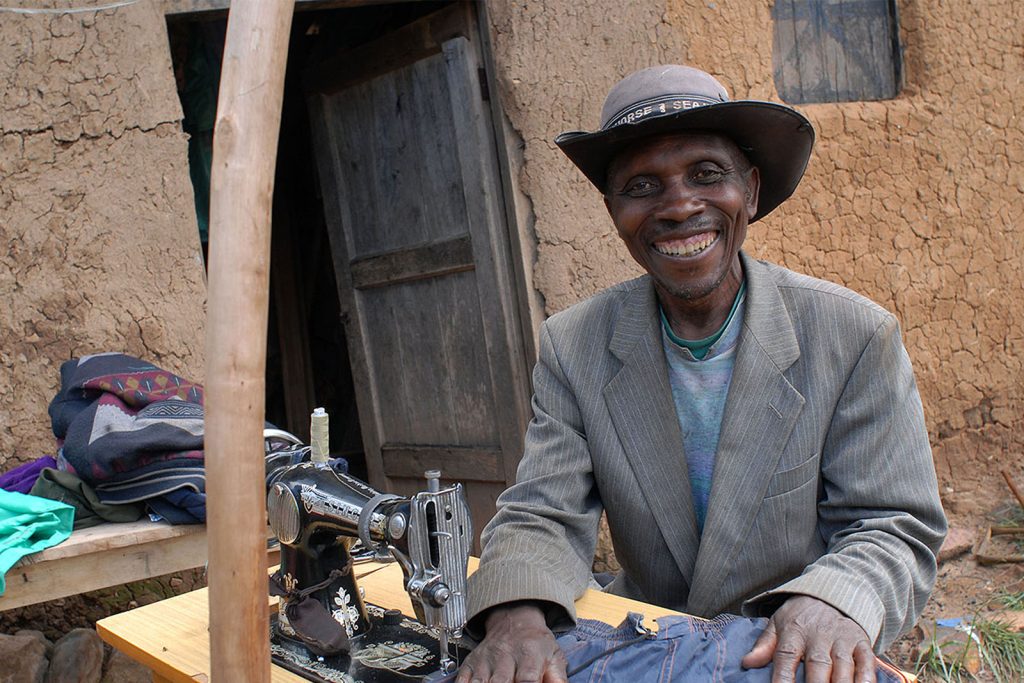
- Community development: Gorilla tourism provides jobs and income for local communities, fostering a sense of ownership and encouraging them to participate in conservation efforts. This can include building schools, health centers, and infrastructure.

The first gorilla trekking expedition:
The first gorilla trekking expedition in 1979 was limited to six people per gorilla family and allowed to stay with them for only one hour for $20 each.
However, it’s crucial to acknowledge the potential downsides:
- Disease transmission: Gorillas share about 98% of their DNA with humans, which makes them vulnerable to human diseases. To reduce this risk, it is crucial to follow responsible trekking practices. This includes keeping a safe distance when encountering a gorilla family and avoiding the trek if you are feeling unwell.
- Habitat disturbance: Habitat disturbance caused by increased human presence can disrupt gorilla habitats and behavior. To address this issue, park authorities limit group sizes, restrict trekking times (mornings only), and shorten the duration tourists can observe a gorilla family from a close distance.
- Habituation concerns: While habituation is necessary for safe and predictable gorilla encounters, it can alter gorilla behavior and potentially make them more vulnerable to poachers if tourism isn’t managed responsibly.
Understanding these complexities allows travelers to make informed choices and support tourism models prioritizing gorilla welfare and minimizing negative impacts.
Key Ethical Considerations for Responsible Gorilla Trekking
Ethical gorilla trekking rests on three fundamental pillars: ensuring the well-being of the gorillas, minimizing our environmental footprint, and contributing positively to local communities.
1. Gorilla Welfare
Mountain gorillas are magnificent creatures, but they are also sensitive and vulnerable. Following these guidelines ensures their safety and minimizes stress:
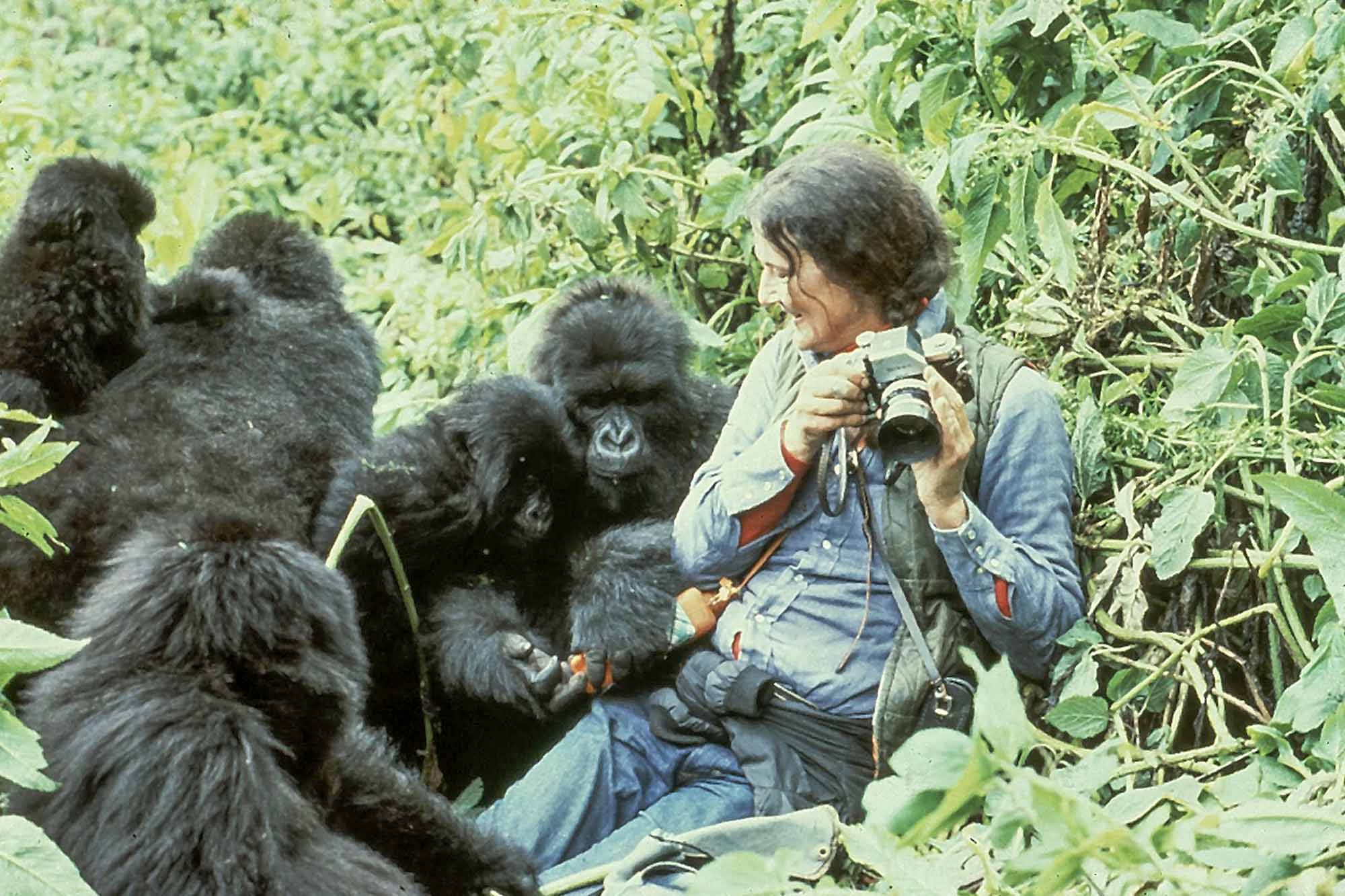
- Maintain a Safe Distance: Always keep a minimum distance of 10 meters (32 feet) from gorillas. This safe distance, established by experts and park authorities, helps reduce the risk of disease transmission. It also allows the gorillas to behave naturally without feeling threatened. Imagine how uncomfortable it would be if a stranger constantly invaded your personal space!
- Wear a face mask: Mountain gorillas are susceptible to human diseases, so to reduce the risk of transmitting airborne pathogens, visitors are required to wear a face mask. A simple cloth mask or an N95 surgical mask is sufficient.
- Limit Observation Time: Visits are typically restricted to one hour. This minimizes disruption to the gorilla family’s routine and allows them to go about their day with minimal interference.
- No Flash Photography: The sudden burst of light from a camera flash can startle gorillas. Use natural light and adjust your camera settings accordingly. Capture those memories responsibly!
- Avoid Direct Eye Contact: While it’s tempting to gaze into their expressive eyes, prolonged eye contact can be perceived as a challenge or a threat. Think of it like staring at a stranger on the bus – it can make them uncomfortable.
- Stay Quiet and Calm: Loud noises and sudden movements can frighten gorillas. Maintain a respectful demeanor, observe their behavior quietly, and enjoy the peaceful atmosphere of the forest.
- Don’t Mimic Their Behavior: It may seem playful, but mimicking their vocalizations or gestures can confuse or agitate them. Respect their natural communication and avoid any actions that could disrupt their social dynamics.
- If a Gorilla Approaches: Remain calm and slowly back away. Follow your guide’s instructions and avoid making any sudden movements. Remember, you are a visitor in their home.
- Respect Their Space: Never try to touch or feed a gorilla. They are wild animals and should be treated with the utmost respect. Keep your distance and appreciate them from afar.
- If You’re Sick, Stay Back: Even a common cold can be fatal to gorillas. If you’re feeling unwell, inform your tour operator and postpone your trek. It’s a small sacrifice to protect these vulnerable animals.

2. Environmental Impact
The pristine rainforests where gorillas live are vital to their survival. Minimizing our impact is crucial for preserving these ecosystems:
- Pack Out All Trash: Leave no trace of your visit. Carry all trash back with you, including food wrappers, water bottles, and tissues. A clean environment is essential for both gorillas and the other creatures that call the forest home.
- Support Eco-Friendly Operators: Choose tour companies that prioritize sustainability, minimize waste, and use eco-friendly practices. Look for operators who are committed to reducing their carbon footprint, conserving water, and using local resources responsibly.
- Respect the Ecosystem: Don’t disturb the flora and fauna. Avoid picking plants or disturbing wildlife. Every element of the ecosystem plays a role in its delicate balance.
- Conserve Water: Be mindful of your water consumption and use it responsibly, especially when staying at your lodge near the gorilla forest in regions with limited water resources. Avoid wasting this precious resource.
3. Community Impact
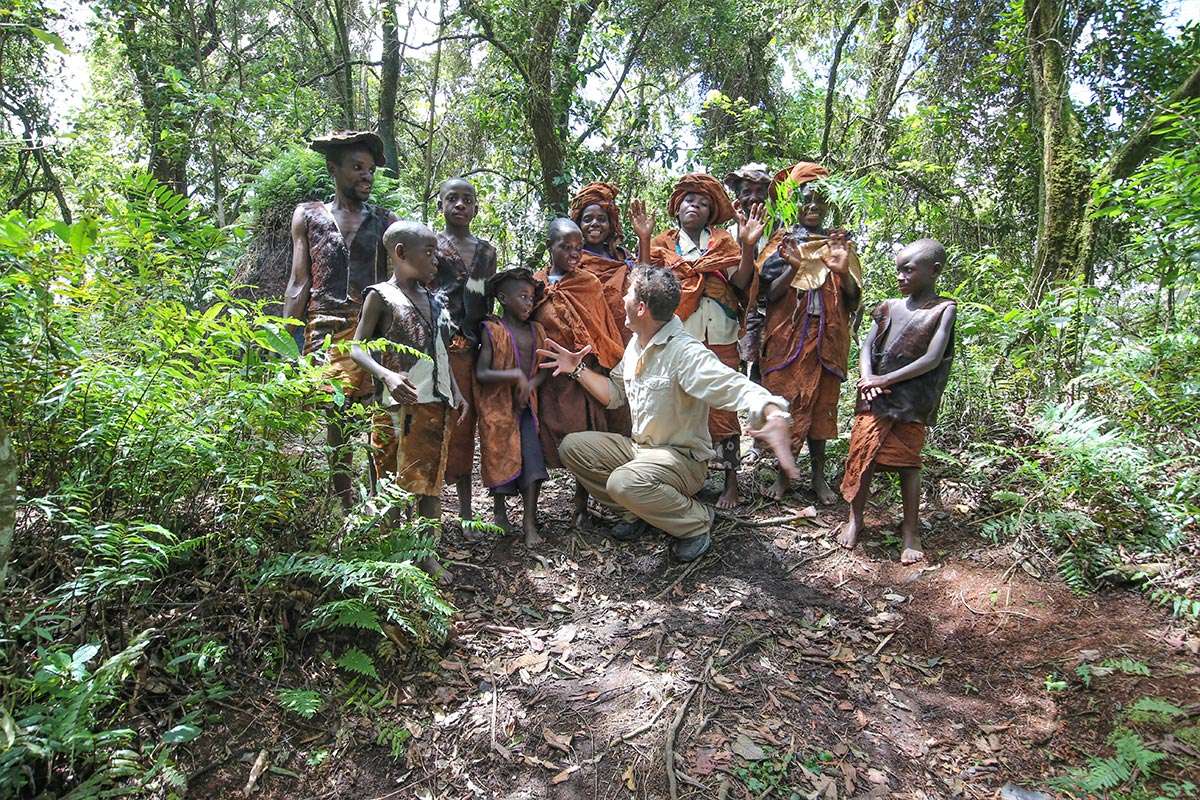
Gorilla tourism should benefit the people who live alongside these magnificent creatures. Here’s how you can contribute:
- Choose Tours that Benefit Local Communities: Ensure that your tour operator supports local communities by providing employment opportunities, investing in education and healthcare, and respecting their culture. Look for operators who prioritize fair wages, training, and community development initiatives like Nkuringo Safaris’s walking safaris.
- Hire a Porter: Consider hiring a porter at the trekking center to carry your gear during the trek. The standard rate is $20, and you’ll pay them directly, ensuring they receive the full benefit of your contribution. This not only lightens your load but also provides a valuable source of income for local people. Porters are knowledgeable about the forest and can enhance your experience by sharing their insights and cultural perspectives.
- Support Local Businesses: Purchase souvenirs from local artisans and dine at locally owned restaurants. This directly benefits the community and helps to sustain their livelihoods. You’ll also find unique and authentic treasures to take home!
- Respect Local Customs: Dress modestly and be mindful of local traditions. Ask before taking photos of people. Show respect for the local culture and traditions, just as you would want visitors to respect yours.
- Learn a Few Local Phrases: Even a simple greeting in the local language can go a long way in showing respect and building rapport. It’s a great way to connect with the local people and show your appreciation for their hospitality.
- Tip Your Guides and Rangers: At the end of your gorilla trekking experience, show your appreciation by tipping your local guides and the rangers who work tirelessly to protect these amazing animals. They play a crucial role in ensuring your safety and enhancing your understanding of gorillas and their habitat.
Tailored Gorilla Trekking Tours
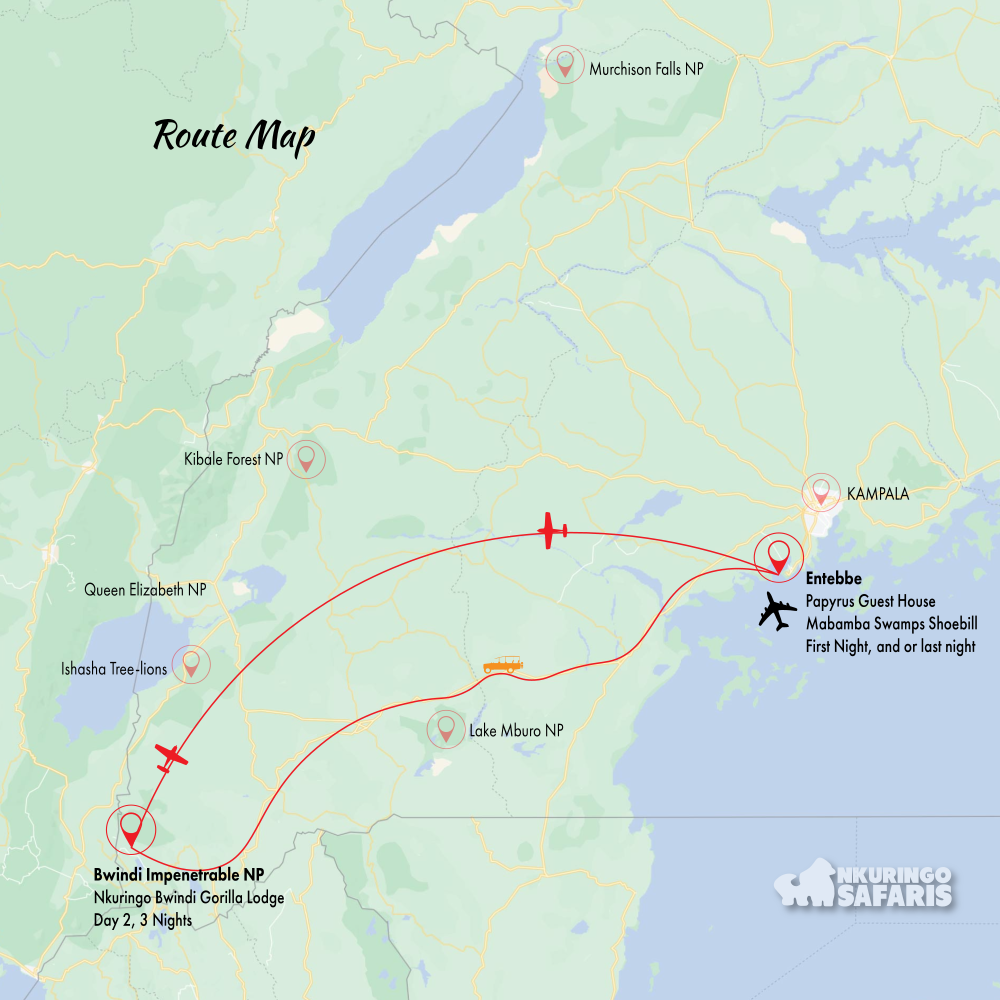
5-Day Gorilla Trekking Adventure (Fly-in).
From US $3,053 per person
- Quick getaway to Bwindi with 1 gorilla trekking experience.
- Stay in a luxury forest lodge.
- Perfect for time-sensitive travelers.
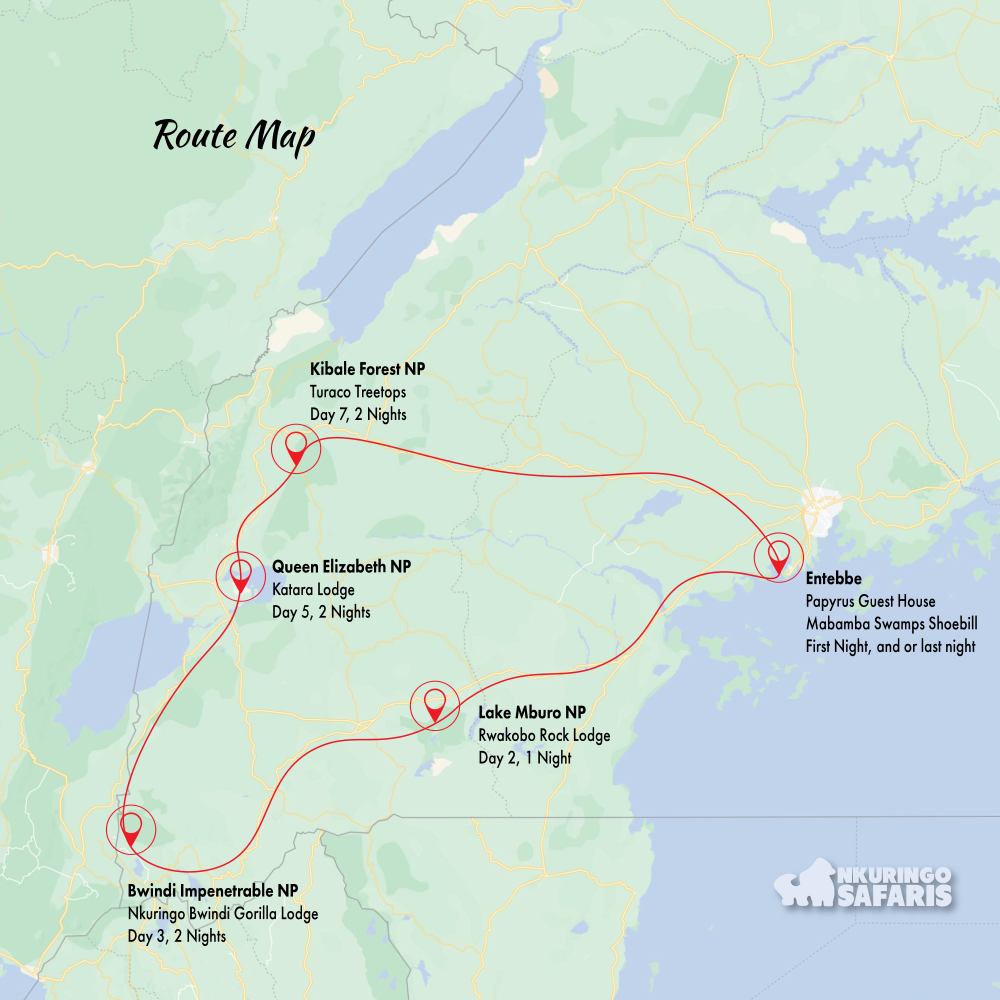
8-Day Classic Primates & Wildlife Safari.
From US $3,865 per person
- Stay in mid-range priced lodges
- Chimpanzee & Gorilla Trekking
- Game drive & boat safari in Queen Elizabeth National Park.
Find more mid-range to luxury gorilla tour packages that suit your travel style, budget, and travel dates.
Choosing an Ethical Gorilla Tour Operator
Selecting the right gorilla trekking tour and operator is important to ensuring an ethical and responsible trekking experience. Here’s what to look for:
- Certifications and Affiliations: Look for operators certified by reputable organizations like the International Gorilla Conservation Programme (IGCP), the Uganda Tourism Board (UTB), Rwanda Development Board (RDB), or local conservation authorities. These certifications indicate a commitment to responsible tourism practices.
- Community Partnerships: Do they have established partnerships with local communities? How do they ensure that tourism benefits local people? Ask about their initiatives to support education, healthcare, and economic development in local villages.
- Conservation Initiatives: Do they actively support gorilla conservation efforts? Do they contribute to research, anti-poaching patrols, or habitat restoration? Choose operators who are actively involved in protecting gorillas and their environment.
- Transparent Practices: Are they open about their operations and how they minimize their impact? Do they provide information about their sustainability practices, waste management, and carbon footprint?
- Experienced Trip Managers: Knowledgeable trip managers or driver guides play a crucial role in ensuring a safe and ethical gorilla trekking experience. Ask about the qualifications and training of their guides.
Questions to Ask Your Tour Operator:
Don’t hesitate to ask your tour operator these important questions:
- How do you ensure the welfare of the gorillas?
- What measures do you take to minimize your environmental impact?
- How do you support local communities?
- What is your policy on hiring locals?
- What qualifications and training do your guides have?
Tips for Responsible Trekking
You play a vital role in ensuring a responsible and sustainable gorilla trekking experience. Here are some practical tips:
- Prepare for the Trek: Ensure you have the necessary gear, including sturdy hiking boots, rain gear, a reusable water bottle, and a hat for sun protection. The trek can be physically demanding, so be prepared for varying terrain and weather conditions.
- Follow Your Guide’s Instructions: They are experts in gorilla behavior and will ensure a safe and respectful experience. Listen carefully to their instructions and follow their lead.
- Be Mindful of Your Actions: Every step you take has an impact. Follow your trekking guide’s trail, avoid littering, and keep noise to a minimum. Respect the environment and the creatures that live within it.
- Respect Wildlife: Gorillas are not the only inhabitants of the forest. Observe other wildlife with the same respect and consideration. You might encounter monkeys, birds, and other fascinating creatures along the way.
- Support Conservation Efforts: Consider donating to organizations working to protect gorillas and their habitat. Your contribution can make a real difference in their long-term survival.

The Luxury Gorilla Experience
After that unbelievable encounter with the giant silverbacks, you want to return to luxury, kingly treatment on the edge of the jungle.
READY TO BOOK A GORILLA TRIP?
Ready for an unforgettable gorilla trekking experience that also gives back to the community and the environment? Choose Nkuringo Safaris, a company dedicated to responsible tourism in the heart of Bwindi Impenetrable Forest.
Nkuringo Safaris goes above and beyond to ensure your trip benefits the local community. They provide fair wages and employment opportunities, support local schools and healthcare initiatives, and actively involve villagers in conservation efforts. Plus, your stay at their eco-friendly Nkuringo Bwindi Gorilla Lodge, nestled right on the edge of the park, minimizes your environmental impact while offering stunning views and comfortable accommodations.
Don’t wait! Book your ethical gorilla trek with Nkuringo Safaris today and experience the magic of Bwindi while making a positive impact.

Testimonials
What Our Travellers Say
Discover more about
Our sustainability and conservation commitment
Nkuringo Safaris gives back by supporting local education, conservation, and creating jobs through community-driven tourism.