Safari Blog
Best Time to Go on Safari in Africa | Weather, Wildlife & Seasonal Travel Guide

When is the best time to go on safari across Africa? Learn how weather, wildlife, and seasons shape your African adventure.
The best time to go on safari in Africa depends on weather and wildlife patterns — the pulse of the land itself. Generally, the dry season (June to October) offers the clearest visibility and most concentrated game viewing, as animals gather around shrinking rivers and waterholes. Yet the green season (November to May) brings its own kind of wonder: rolling storms over the savannah, newborn calves finding their legs, and birdlife flashing through fresh canopies.
Each season transforms the wilderness differently. The dry months promise drama and predictability; the rains bring renewal and solitude. Every month in Africa has its own kind of magic — there’s no wrong time to go on safari, only different shades of awe waiting to be experienced.
At Nkuringo Safaris, our guides have spent decades mapping how shifting seasons shape every encounter — from the soft mist of dawn in Bwindi to the blazing sunsets of the Serengeti. Knowing when to go is less about the calendar and more about finding the rhythm that matches your sense of wonder.
Quick Safari Season Table
| Season | Months | Best For | Regions That Shine |
|---|---|---|---|
| Dry Season | June – October | Big Five sightings, Great Migration, golden light | Kenya, Tanzania, Uganda |
| Green Season | November – May | Birding, photography, fewer crowds | Rwanda, Uganda, Botswana |
| Shoulder Season | March – May & November | Budget-friendly safaris, lush landscapes, soft light | East & Southern Africa |
The Natural Rhythm
Africa’s calendar doesn’t move by months but by migrations, rainstorms, and the slow return of rivers. Knowing when to go means understanding this natural rhythm — how sunlight changes the color of the plains, how rain brings out the scent of acacia, how herds follow the whisper of water across invisible borders.
This guide unpacks that rhythm, beginning with a pan-African overview of safari seasons before zooming into East Africa’s most inspiring wildlife moments — your foundation for choosing the time that speaks to your traveler’s heart.
Understanding Africa’s Safari Seasons
Africa’s safari rhythm isn’t marked by temperature shifts but by the rains — the cycle that awakens, reshapes, and renews the land. Rainfall dictates everything: where the herds move, when predators hunt, when birds migrate, and when the savannah rests. To understand the continent’s seasons is to see the rhythm of its wilderness heartbeat.

The Dry Season – Clear Skies and Concentrated Wildlife (June to October)
Across most of Africa, the dry season stretches from June to October. Days are warm and cloudless, nights crisp under immense star fields. Rivers shrink, grasses pale to gold, and the bush thins out to reveal life in its rawest clarity.
This is the Africa of classic imagination — lion prides basking on open plains, elephants ghosting through heat haze, herds of buffalo kicking up dust along a dwindling stream. Game drives feel cinematic; every movement on the horizon catches the eye.
Why travelers love it:
- Peak wildlife density and easy sightings.
- Cooler temperatures and clear air for photography.
- Reliable conditions for game drives, walking safaris, and tented stays.
Yet the dry months also draw travelers in numbers. Popular reserves like the Maasai Mara, Serengeti, and Kruger can feel lively with vehicles at prime sightings. For solitude, it’s the time to head off-grid — into Kidepo Valley, Ruaha, or Katavi, where wilderness still feels boundless.
Then, almost overnight, the land exhales and begins again.
The Green Season – Renewal, Color, and Quiet (November to May)
As the first rains fall, Africa softens. The green season, which stretches roughly from November through May, transforms the continent. Dust settles, colors return, and the scent of wet earth fills the air. What was dry and tawny just weeks before becomes a mosaic of emerald hills and wildflowers.
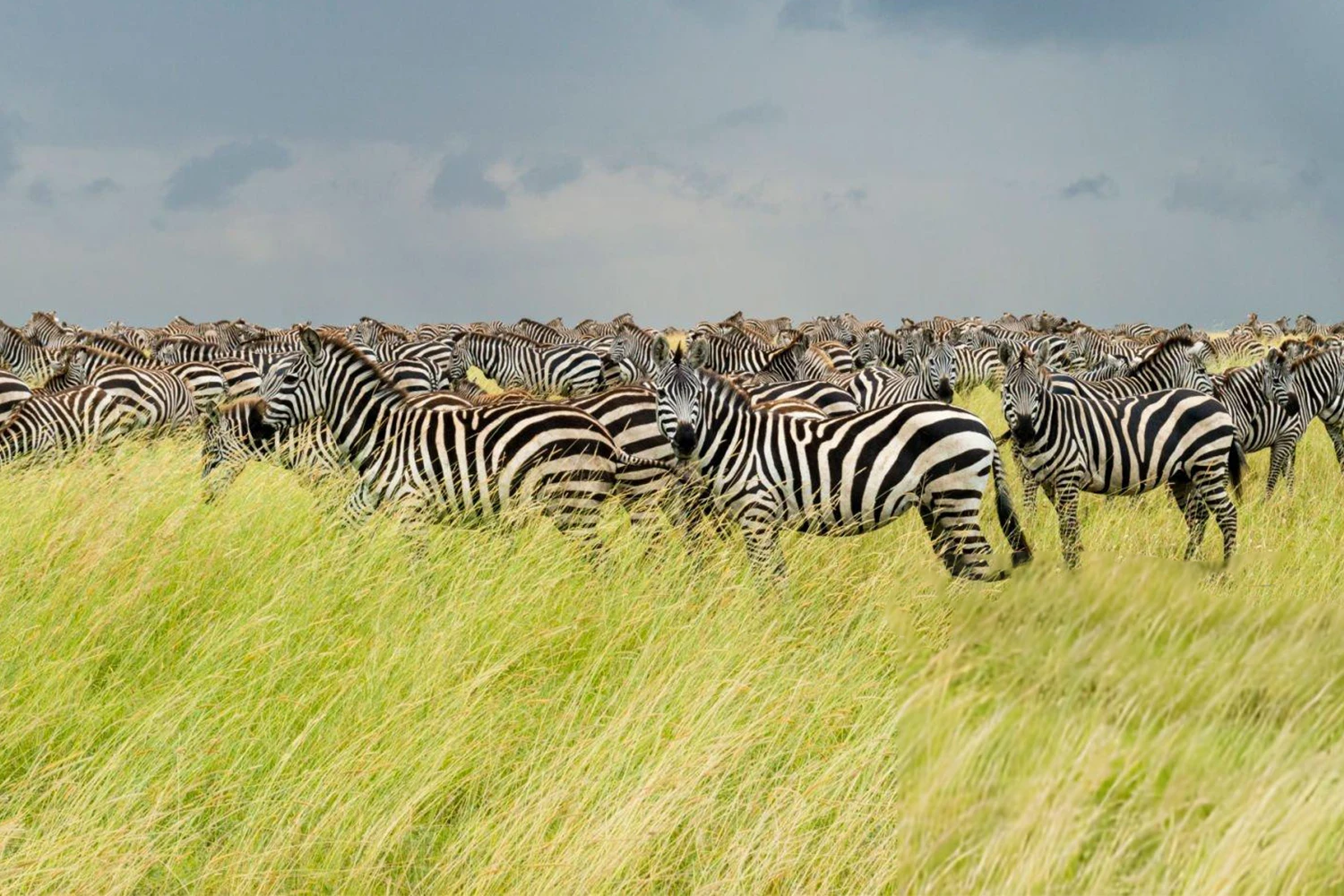
It’s the season of life. Wildebeest give birth on the short-grass plains of the Serengeti. Elephant calves and impala fawns stumble beside their mothers. Migrant birds flood back from Europe and Asia, filling wetlands with song and motion.
Why travelers love it:
- Lush, photogenic landscapes and softer light.
- Lower lodge rates and more intimate safari experiences.
- Prime time for birding and witnessing new life.
In East Africa, rain comes in two pulses — the short rains (November) and the long rains (March–May) — brief downpours followed by sunshine. In Southern Africa, rainfall is more continuous from December through April, often as afternoon storms that fade into golden evenings.
On average, East Africa maintains mild year-round temperatures around 25°C (77°F), while Southern Africa’s inland areas swing from cool 10°C mornings to 35°C afternoons during the rainy months. Despite these shifts, rain rarely ruins safaris; roads dry quickly, animals remain active, and the interplay of clouds and sunlight often makes for unforgettable photography.
A Season for Every Traveler
At Nkuringo Safaris, we’ve learned there is no single “best” season — only the right season for the traveler you are.
- For the wildlife purist, dry months deliver unfiltered drama.
- For the photographer, the green months bring mood and color.
- For the eco-conscious explorer, traveling in quieter times supports conservation and eases strain on fragile habitats.
Tip: Choosing the green season helps distribute tourism more evenly, sustaining local communities and reducing pressure on high-traffic parks. It’s travel that feels good — and does good.
Safari Calendar by Month and Region
Africa doesn’t keep a single calendar. Each region moves to its own rhythm — rains sweeping north, herds following the scent of grass, and skies changing from silver to gold. Knowing what happens month by month helps you choose when to travel for what you most want to see.
This month-by-month safari guide reveals how each season unfolds across Africa’s wild landscapes, blending weather, wildlife, and traveler experience into one continuous story of renewal.
Safari Calendar Overview
| Month | Region Highlights | Weather Feel | Key Events & Experiences |
|---|---|---|---|
| January – February | Southern & East Africa | Warm, clear mornings, afternoon showers | Calving season in the Serengeti; superb birding; lush landscapes |
| March – May | East & Southern Africa | Rainy, vibrant, dramatic skies | Green season beauty; fewer visitors; forest trails alive with sound |
| June – July | Continent-wide | Cool, dry, crystal clear | Dry season begins; Great Migration moves north; ideal for Big Five |
| August – October | East & Southern Africa | Dry, warm days, crisp nights | Peak game viewing; Migration crossings; best light for photography |
| November – December | East Africa & Botswana | Refreshing short rains | New grass growth; migratory birds return; quiet, great value |
The Early Year (January – February): Life Begins
The new year in Africa opens with renewal.
Across Tanzania’s southern Serengeti and Kenya’s Maasai Mara, wildebeest give birth to tens of thousands of calves within weeks. The plains hum with life — predators stay close, drawn by the abundance.
In Southern Africa, the bush is lush, birds are nesting, and young antelope dot the landscape. The light is exquisite — soft, low, and alive with color after short bursts of rain.
Ideal for: photographers, birders, travelers seeking drama and new life.
Travel note: humidity is higher but rain rarely lasts long — it’s Africa at its most fertile.
The Shoulder Months (March – May): The Green Renaissance
March ushers in Africa’s long rains in East Africa, turning the savannahs to shimmering mosaics of green. In Uganda and Rwanda, forests deepen into rich canopies perfect for gorilla and chimpanzee photography.
In Southern Africa, days grow shorter but still warm. Afternoon thunderstorms sweep through Botswana’s Delta and Zambia’s Luangwa Valley, creating mirror-like reflections in the floodplains.
Ideal for: solitude seekers, birdwatchers, and travelers who love moody skies and vibrant colors.
Insider tip: this is one of the most cost-effective times to travel — rates can drop by 30%, and lodges feel private.
The Classic Dry Season (June – July): The Great Reveal
As the rains fade, the land exhales. Grasses thin, waterholes shrink, and the drama of Africa’s dry season unfolds. Kenya, Tanzania, Uganda, Zambia, and Botswana enter their most iconic safari months.
Elephants gather in Tarangire, lions sprawl in the Mara’s amber grass, and the Great Migration surges northward — hundreds of thousands of wildebeest threading their way toward the Mara River.
Ideal for: first-time safari travelers, families, and anyone seeking classic wildlife encounters.
Travel note: mornings can be cold (especially in highlands like Ngorongoro), but days are spectacularly clear.
The Peak Season (August – October): Drama and Clarity
This is the high season of Africa — crisp air, boundless skies, and unforgettable wildlife scenes.
In Kenya and Tanzania, the Great Migration reaches its climax as wildebeest attempt perilous crossings at the Mara River. Uganda’s dry parks, such as Queen Elizabeth and Murchison Falls, teem with animals drawn to shrinking water sources.
Meanwhile, Southern Africa is at its best: the Okavango Delta glimmers at full flood, leopards patrol the dry riverbeds of South Luangwa, and Etosha’s salt pans shimmer under vast horizons.
Ideal for: classic game viewing, photography, and luxury lodge experiences.
Caution: this is peak travel time — book early and expect higher prices, but conditions are unbeatable.
The Renewal (November – December): Storm Light and Fresh Beginnings
November’s short rains arrive like applause after a long performance.
Dust turns to fragrance, thunderheads roll across the horizon, and the bush awakens again. Young impala and zebra appear, the first migratory birds return, and the light turns molten in the evenings.
This is Africa’s secret season — rich, quiet, and full of contrast.
You’ll find dramatic skies, vibrant green backdrops, and fewer vehicles at sightings.
Ideal for: photographers, honeymooners, and travelers looking for value and tranquility.
Travel note: humidity rises, but showers are brief and refreshing; in places like Uganda, this is prime time for gorilla trekking with lush, cinematic forest backdrops.
Bringing It Together
Africa’s year unfolds like a symphony: a slow opening in January, a crescendo by August, and a gentle fade into green renewal by December. Knowing the rhythm helps you plan not just around wildlife but around mood — whether you crave stillness or spectacle.
Tip: Combine seasonal highlights — like the Great Migration in Kenya with gorilla trekking in Uganda — to experience Africa’s diversity in one journey.
Choosing when to travel isn’t just about weather — it’s about helping wildlife and communities thrive year-round. The better your timing, the more sustainable your impact.
Best Time to Visit East Africa (Kenya, Tanzania, Uganda, Rwanda)
East Africa stretches from coral coasts to volcanic highlands, from endless plains to misty forests. Its rhythm follows the rains, but the timing and texture of those rains differ with every landscape.
In this guide to East Africa’s safari seasons and weather, we’ll explore the best months to visit Kenya, Tanzania, Uganda, and Rwanda — a region where nature, culture, and adventure merge in perfect harmony.
Here, the “best time to visit” depends on what draws you most — the thunder of hooves across the Mara, the hush of mist in Bwindi, or the still blue glow over Ngorongoro at dawn.
Across the region, the dry months (June to October) bring prime wildlife viewing and clear skies, while the green months (November to May) reveal a softer, more intimate Africa — perfect for birding, photography, and solitude.
Kenya — The Classic Safari Rhythm
Kenya’s story is written in gold and green.
From June to October, the Maasai Mara bursts with movement as the Great Migration crosses its rivers in one of the planet’s most dramatic wildlife spectacles. In Amboseli, elephants graze beneath Kilimanjaro’s snow-tipped crown, while Laikipia and Samburu offer rarer species and quieter wilderness.
When the short rains return in November, Kenya glows again — emerald grasslands, newborn animals, and crisp, painterly skies.
The long rains (March–May) bring heavier showers but vibrant landscapes and fewer visitors, ideal for photographers and those seeking tranquility.
Best time to visit Kenya:
- June to October — Great Migration, Big Five, clear skies.
- November to February — birding, photography, light rains.
Tanzania — The Land of Infinite Horizons
Tanzania is vast — each ecosystem writing its own season.
From June to October, the Serengeti stages its grandest scenes: herds on the move, lions crouched in the amber grass, and the air alive with dust and light.
In Tarangire, elephants gather in monumental herds; in Ruaha and Selous, the wilderness feels endless.
From December to May, the land softens into green. Wildebeest calve across the southern Serengeti plains, and thunderstorms roll through the Ngorongoro highlands. For photographers, it’s pure gold — moody skies, dramatic clouds, and endless contrast.
Best time to visit Tanzania:
- June to October — Great Migration, classic game viewing.
- January to March — calving season, lush beauty, smaller crowds.
Uganda — The Heartbeat of the Rainforest
Uganda breathes in mist and mountain light.
While its savannah parks — Murchison Falls, Queen Elizabeth, Kidepo Valley — thrive during the dry months (June–September, December–February), the country’s soul lives in its forests.
In Bwindi Impenetrable Forest, gorilla trekking is possible year-round, but the clearer, drier trails of June–September and December–February make for easier hiking and better visibility.
The green seasons cloak Uganda in magic: quieter trails, moody light filtering through canopies, and the chorus of rainforest birds returning home.
Best time to visit Uganda:
- June to September & December to February — gorilla trekking, Big Five, comfortable travel.
- March to May & October to November — lush photography, solitude.

8-Day Classic Primates & Wildlife Safari.
From US $3,865 per person
- Chimpanzee & Gorilla Trekking
- Game drive & boat safari in Queen Elizabeth National Park.
- Stay in mid-range luxury lodges.

12-Day Explore The Best of Uganda Safari.
From US $5,518 per person
- Primates – gorillas & chimp treks.
- Game drives and boat safaris in Queen and Murchison Falls.
- Both rainforest & savannah adventures.
Rwanda — The Land of a Thousand Hills
Rwanda’s beauty lies in its stillness — rolling hills, morning fog, and the silhouettes of volcanoes rising through clouds.
The dry seasons (June–September, December–February) are perfect for gorilla trekking in Volcanoes National Park, with stable weather and open forest trails.
The green months paint the hills deep emerald, creating moody light and fewer crowds — perfect for travelers seeking quiet wonder.
Beyond gorillas, Akagera National Park has reemerged as a thriving Big Five destination, best explored between July and October, when wildlife concentrates along shimmering lakes.
Best time to visit Rwanda:
- June to September & December to February — gorilla trekking.
- July to October — wildlife and savannah safaris in Akagera.

5-Day Rwanda Luxury Gorilla Safari
From 4999 pp

10-Day Classic Rwanda Primates Safari
From $5910 pp
Choosing Your Perfect East African Window
East Africa never closes her doors; she only changes her light.
If you dream of the Great Migration, choose June to October.
For gorilla trekking, aim for June–September or December–February.
For birding, landscapes, and peace — travel during the green months of November–April.
Pro Tip: Pair contrasting experiences — the Great Migration in Kenya or Tanzania followed by a gorilla trek in Uganda or Rwanda. It’s a journey that moves from the roar of the plains to the silence of the forest — the complete East African story.
When you travel with Nkuringo Safaris, every itinerary follows nature’s rhythm, not the tourist calendar — ensuring you meet East Africa at her most authentic moment.
Every season contributes differently — traveling with intention helps sustain the parks and people who keep East Africa wild.
Quick Reference – Best Time to Go on Safari in Africa
By now, you’ve seen that Africa’s seasons don’t compete; they collaborate. Each reveals a different side of the continent’s soul — from the sunlit drama of the dry plains to the quiet renewal of the rains.
Here’s a quick reference chart summarizing the best time to visit each region at a glance:
| Destination | Best Time to Visit | Highlights |
|---|---|---|
| Kenya | June – October & November – February | Great Migration, Amboseli elephants, photography, birding |
| Tanzania | June – October & January – March | Serengeti Migration, Ngorongoro, calving season |
| Uganda | June – September & December – February | Gorilla trekking, Big Five, landscapes, birding |
| Rwanda | June – September & December – February | Gorilla trekking, Akagera wildlife, volcano views |
| Southern Africa | May – October | Kruger safaris, Okavango Delta, Victoria Falls at its peak |
(All times approximate — conditions shift slightly year to year.)
When to Go, Based on What You Love Most
For Wildlife Enthusiasts:
Dry months (June–October) promise dense game and thrilling predator encounters.
For Photographers & Nature Lovers:
Green months (November–April) bring softer light, vibrant color, and fewer crowds.
For Gorilla Trekking & Primates:
June–September and December–February offer firmer trails and clear mountain weather.
For Birding Expeditions:
November–April is a treasure — the arrival of migratory birds from Europe and Asia transforms the skies.
For Honeymooners & Tranquility Seekers:
November–May offers peace, lush backdrops, and intimate lodges away from peak season bustle.
Planning Your African Safari With Nkuringo Safaris
Choosing when to travel is as personal as choosing where. Some travelers crave the rush of the Migration; others find magic in the mist of a mountain forest. At Nkuringo Safaris, we don’t just book safaris — we choreograph journeys that flow with nature’s rhythm, aligning your travel dreams with Africa’s living seasons.
Whether you’re drawn to the plains of the Serengeti, the volcanoes of Rwanda, or the forests of Uganda, our experts design experiences around timing, movement, and meaning — ensuring your safari unfolds at just the right moment.
Tip: Every journey can be tailored — from classic Big Five safaris to gorilla trekking, family adventures, and luxurious migration expeditions.

Testimonials
What Our Travellers Say
Discover more about
Our sustainability and conservation commitment
Nkuringo Safaris gives back by supporting local education, conservation, and creating jobs through community-driven tourism.