Safari Blog
59 Interesting Facts About Rwanda for Travelers

Rwanda, also known as the “Land of a Thousand Hills,” is one of the smallest countries on the African mainland. It is landlocked and located in East Africa, bordered by Burundi, Tanzania, Uganda, and the Democratic Republic of the Congo. Rwanda is renowned for its breathtaking landscapes, including lush hills, numerous lakes, and volcanic mountains. The capital city, Kigali, is centrally located and is celebrated for its cleanliness and vibrant culture. Rwanda’s climate is temperate, with average daytime temperatures ranging from 25°C to 30°C, making it an appealing destination for travelers year-round.
Travelers to Rwanda can experience a unique blend of natural beauty and rich cultural heritage. The country is home to three national parks: Akagera National Park, a savannah reserve known for its diverse wildlife, including the Big Five; Nyungwe National Park, famous for its lush rainforests and chimpanzee tracking; and Volcanoes National Park, which provides a rare chance to see endangered mountain gorillas in their natural habitat. Rwanda has made incredible strides in conservation efforts, ensuring that gorilla trekking remains sustainable and limited to a small number of visitors each day. Additionally, the country boasts a solid commitment to environmental sustainability, highlighted by its ban on plastic bags and community clean-up initiatives known as Umuganda.
Rwanda’s societal progress is equally notable and inspiring. It has the highest representation of women in parliament globally, with over 60% of seats held by women. This commitment to gender equality extends beyond politics into various sectors, including education and healthcare. The nation has also embraced technology, implementing digital solutions for public services and promoting economic growth through tourism and agriculture. With its rich history marked by resilience following the 1994 genocide, Rwanda now stands as a model for development and reconciliation in Africa.
The population is young and predominantly rural, with a very high density. Rwandans are drawn from just one cultural and linguistic group, the Banyarwanda, with three subgroups: the Hutu, Tutsi, and Twa.
Here are 59 facts about Rwanda:
Starter Facts
- Official Name: Republic of Rwanda
- Capital city: Kigali
- Population : 12,634,116
- Official Languages: English, French, Kinyarwanda, Swahili
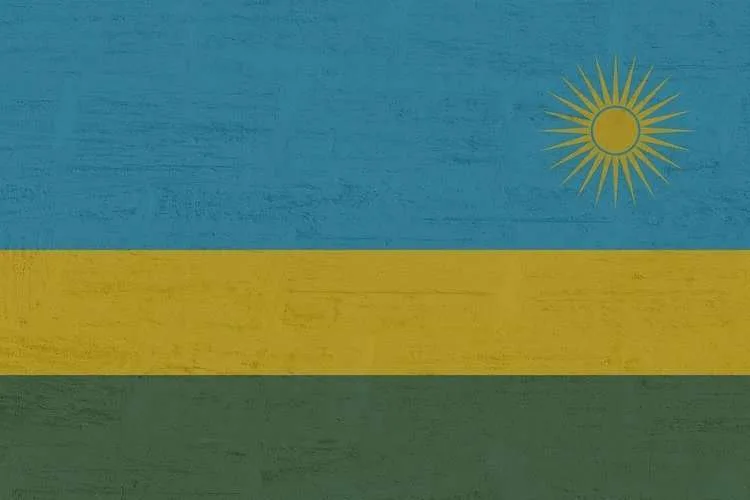
- Rwanda Flag: Three horizontal bands of sky blue (top, double-width), yellow, and green, with a golden sun with 24 rays near the fly end of the blue band. Blue represents happiness and peace, yellow economic development and mineral wealth, green hope of prosperity and natural resources. The sun represents unity, as well as enlightenment and transparency from ignorance.
- National symbol(s): Traditional woven basket with peaked lid.
- National colors: blue, yellow, green
- National anthem: Adopted in 2001, “Rwanda nziza” (Rwanda, Our Beautiful Country)
Political Facts
- Government: Presidential Republic
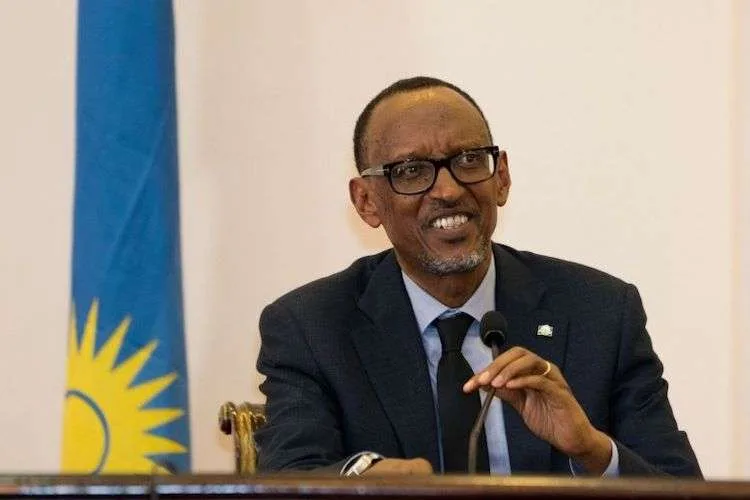
- President: Paul Kagame since 22nd April 2000
- Independence: 1st July 1962 from Belgium
- GDP: Total; $24,717, Per Capita; $2,090
- The countries legislature is composed of Parliament, Upper house chamber- Senate, Lower house chamber- Chamber of Deputies.
- President is directly elected by simple majority vote for a 5-year term. Constitutional amendments approved in December 2016 included one that reduced the presidential term from 7 to 5 years but included an exception that allowed President Kagame to serve another 7-year term in 2017.
- The parliament has more female than male members.
- Rwanda is a safe, stable, and secure county to visit. The World Economic Forum ranked Rwanda as the 9th safest country in 2017, ahead of Qatar, Luxembourg, Portugal, New Zealand, Austria, Estonia, Sweden, Slovenia, Spain, Netherlands, and Morocco.
- Rwanda is the fifth-largest contributor of peacekeepers worldwide.
- Crime levels are relatively low.
- Corruption is not tolerated in Rwanda.
- Administrative divisions: 4 provinces ( Western, Eastern, Northern, Southern) and 1 city (Kigali)
- The nation’s public holidays include; 1st Feb Heroes day, 7th April-Genocide memorial day, 1st July- Independence Day, 4th July Liberation day, 15th Aug Assumption, 1st Oct Patriotism day.
Geography Facts
- Area: Total-26,338 sq km, Land area: 24,668 sq km, Water area: 1,670 sq km
- Geographic coordinates: 9408°S, 29.8739°E
- Time Zone: CAT/ UTC +2 (7 hours ahead of Washington, DC, during Standard Time)
- Climate and temperate; the country has two rainy seasons (February to April, November to January), mild in the mountains with frost and snow. The evergreen country enjoys the cool tropical highland climate—ideal for visiting all year round.
- Topography: mostly savannah grassland, uplands, and hills; relief are mountainous with altitude declining from west to east.
- Mean elevation is 1,598 m, with the lowest point being Rusizi River 950m and the highest point Mt. Karisimbi Volcano 4,519 m
- It incorporates five of the eight volcanoes. The highest peak being Mt Karisimbi within its borders. The others are Muhabura, Bisoke, Sabyinyo and Gahinga.
- Rwanda has 28 lakes with the larger ones being Lake Kivu, Muhanzi, lhema, Bulera, Ruhondo and Mugasera.
- Rwanda’s natural resources are gold, cassiterite (tin ore), wolframite (tungsten ore), methane, hydropower, arable land.
- There are few natural hazards with periodic droughts. Visoke Volcano (3,711 m), located on the border with the Democratic Republic of the Congo, is the country’s only historically active volcano.
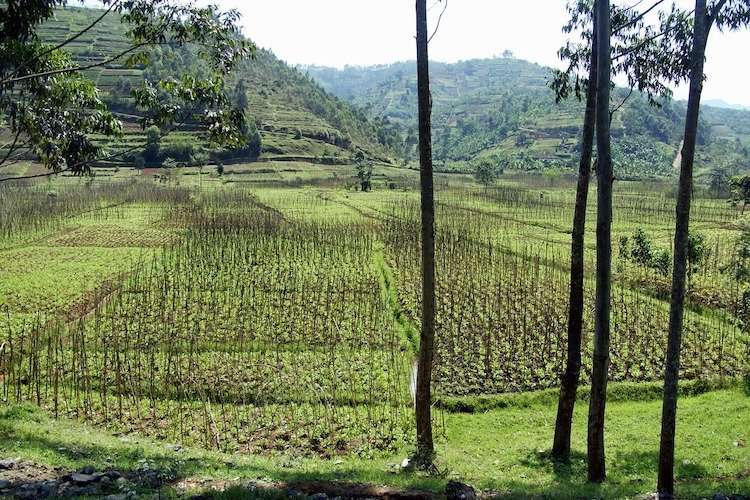
- Rwanda is predominantly rural, with agriculture accounting for about 63% of export earnings and some mineral and agro-processing.
- As much as Rwanda is a landlocked country, you can still relax, unwind and enjoy the white sandy beach and weather at Lake Kivu shoreline.
Economic Facts
- The 1994 genocide stalled the country’s ability to attract private and external investment. However, Rwanda has made substantial progress in stabilizing and rehabilitating its economy.
- GDP has improved to a growth rate of 6.2% while inflation has reduced to single digits. In 2015, 39% of the population lived below the poverty line.
- The government has embraced an expansionary fiscal policy to reduce poverty by improving education, infrastructure, and foreign and domestic investment.
- Rwanda consistently ranks well for ease of doing business and transparency. You can start and register a company in 48 hours.
- Agriculture products include coffee, tea, pyrethrum, bananas, beans, sorghum, potatoes, and livestock.
- In 2012, Rwanda completed the first modern Special Economic Zone (SEZ) in Kigali to attract investment in all sectors, specifically in agribusiness, information and communications, trade and logistics, mining, and construction. The government has also launched an online system to give investors information about public land and its suitability for agricultural development.
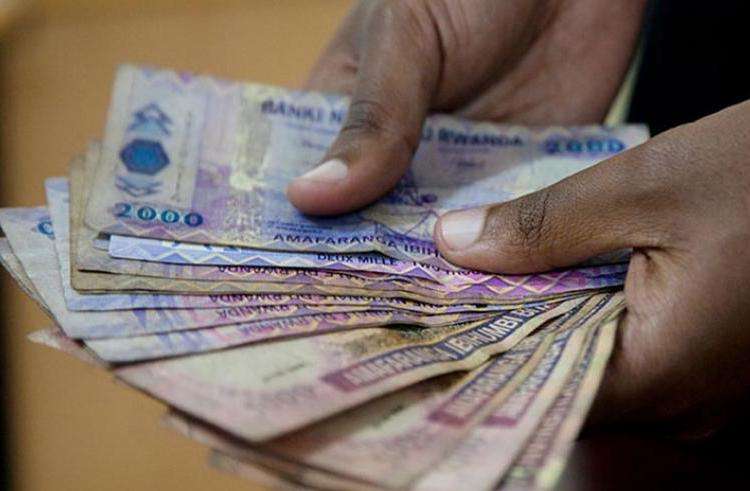
- Currency: Rwandan Franc (RWF)
Religion Facts
- Religion is dominated by Christians; Protestant 50.2%, Roman Catholic 44.3%, Muslim 2%, other 0.9% (includes traditionalist/animist), none 2.5%.
Wildlife Facts
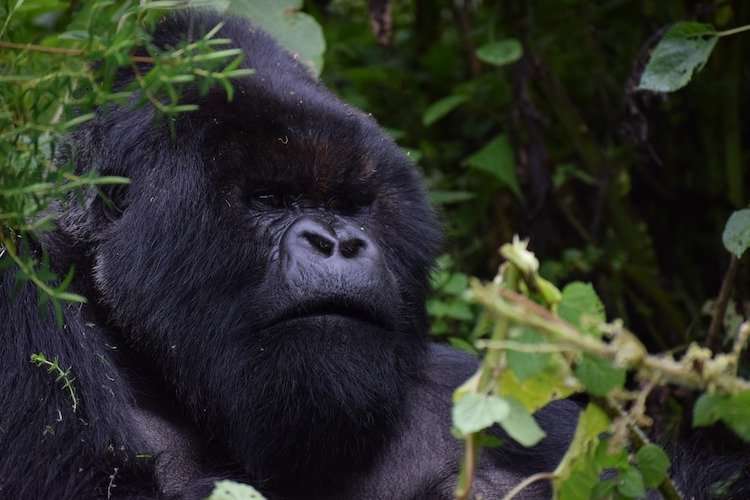
- Rwanda is home to mountain gorillas that tourists can safely visit. A Rwanda gorilla permit costs $1,500 per person.
- The baby gorilla naming ceremony, Kwita Izina, takes place every year on the 1st of September.
- Akagera National Park hosts all the Big 5, among other wildlife and birdlife.
- The dense Nyungwe forest is a haven for chimpanzees and a variety of colorful bird and butterfly species.
Trending Rwanda Safari Packages

3 Days | Mountain Jungle

6 Days | Rainforest Jungle

10 Days | Top Attractions
Culture Facts
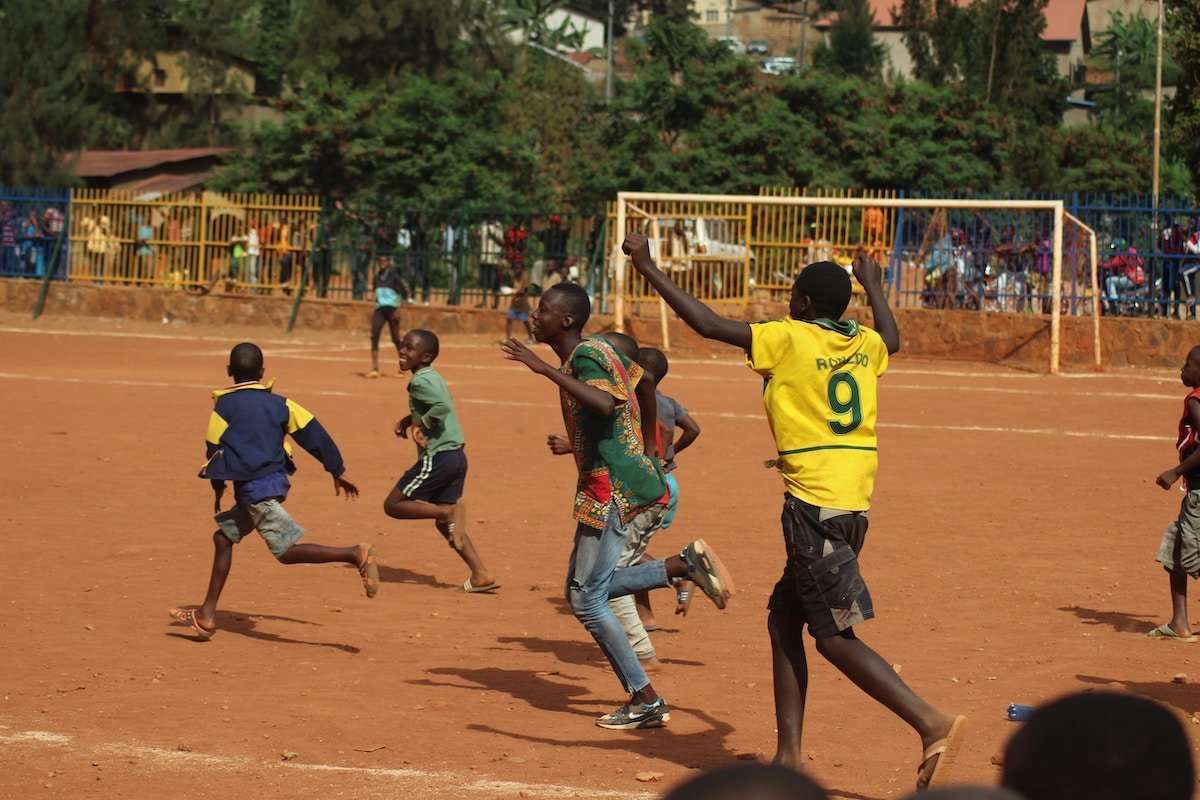
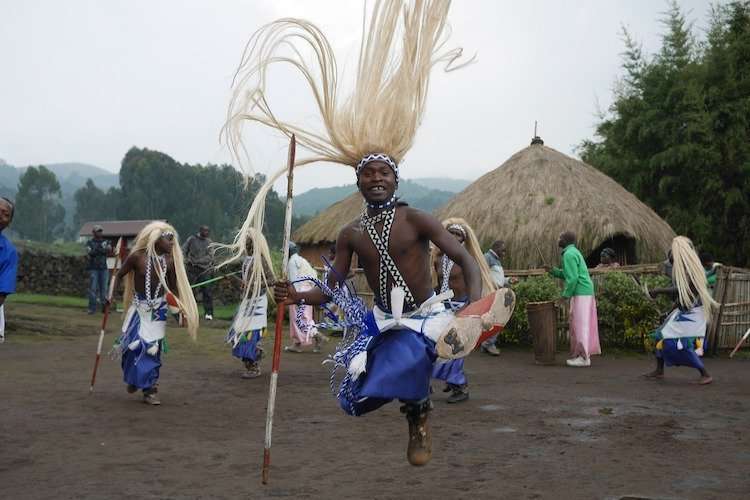
- Rwandan culture includes music and dance, particularly drums and the highly choreographed Intore.
- Traditional arts and crafts are produced throughout the country, including Imigongo, a unique cow dung art.
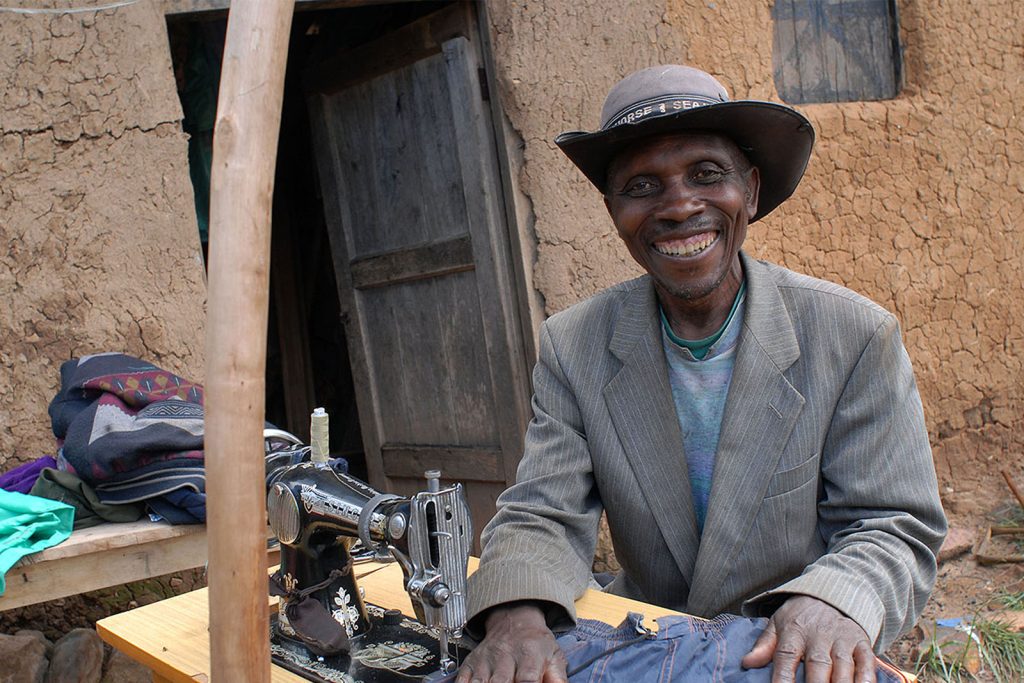
- Rwanda, land of a thousand smiles because locals are particularly hospitable, friendly, warm, and welcoming to visitors.
- All citizens join in Umuganda day, a consistent schedule for community service every last Saturday of the month where they clean the environment.
- Rwandese are always sensitive to others feeling and may keep the truth from you.
- As a sign of respect, avoid direct eye contact with elders.
- They have funny beliefs that eating fish eyes will have the devil visit you at night or eating green bananas make your bottoms grow fat.
- Pointing at a person is odd and rude.
Getting Around
Rwanda has a well-developed road network connecting major towns. The best way to get around is by car. Smaller roads may not be surfaced and could be affected by weather. Hire a local tour operator to arrange a car with a driver or rent a four-by-four car from an agency in the city if you prefer to drive yourself. Taxis and shared minibusses are available in larger towns, but Rwanda has no rail service.
Miscellaneous / Good to know
- Calling code: +250
- Internet code: .rw
- Drive on the right
- There are direct flights from International capitals like London to Kigali.
- Rwanda is leading Africa’s Digital Revolution providing access to free WIFI on public buses, hospitals, taxi parks, thus providing 95% of the population with 4G access.
- Keep off the grass—no walking on the manicured lawns of Kigali.
Well, there you have it, 59 facts about Rwanda! Go and impress your friends and family with your newfound knowledge of Rwanda, don’t point at anyone…
Want to visit Rwanda? Discover more about the country, here.

Testimonials
What Our Travellers Say
Discover more about
Our sustainability and conservation commitment
Nkuringo Safaris gives back by supporting local education, conservation, and creating jobs through community-driven tourism.