Safari Blog
12 Fun & Interesting Facts About Silverback Gorillas

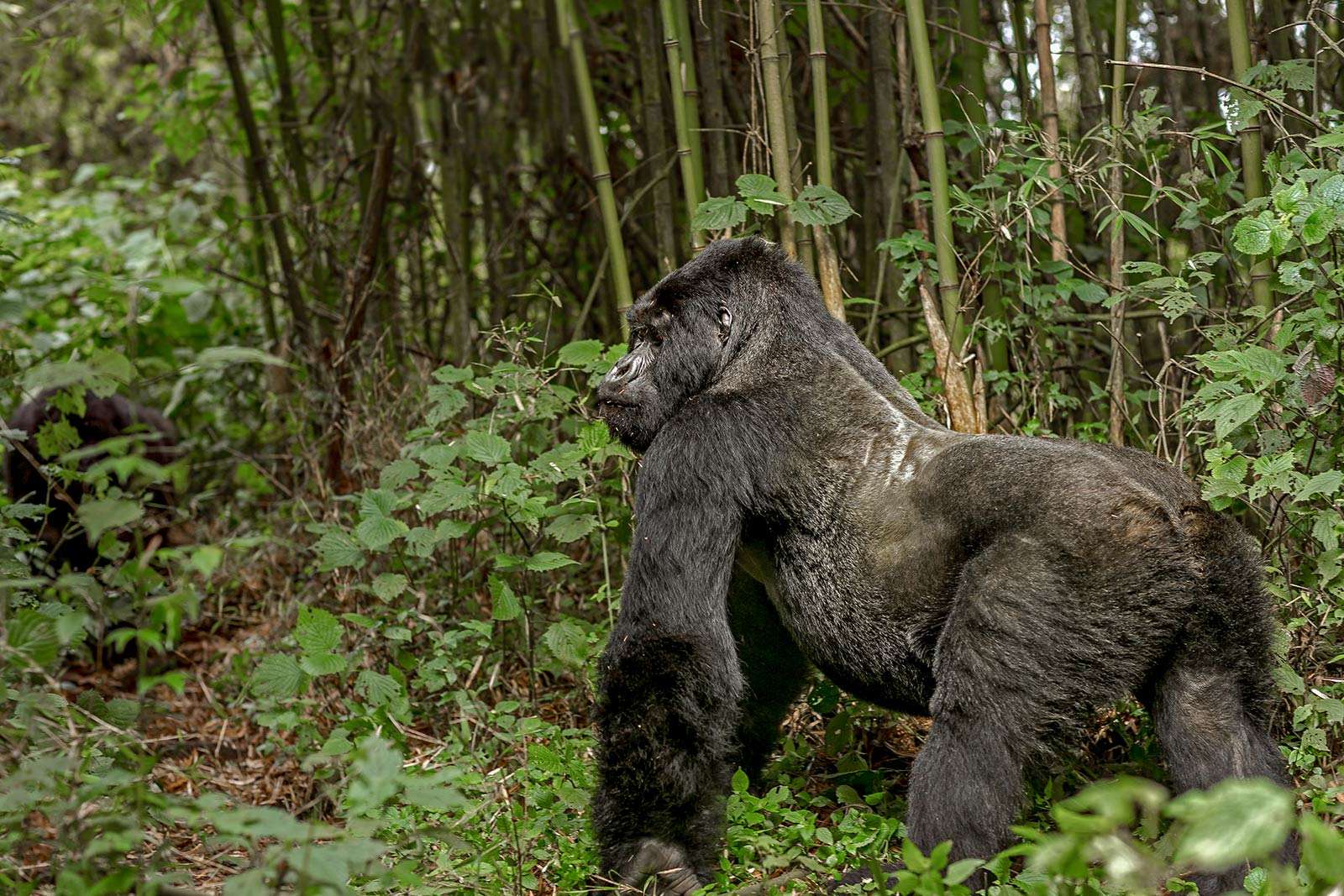
Silverback mountain gorillas, named for the striking silver saddle of fur that develops on the backs of mature males, are the world’s largest apes living in the African rainforest. These gentle giants, known for their immense strength, complex social structures, and surprising intelligence, have captivated the imagination of scientists and nature lovers for generations. Yet, these majestic creatures, who call the lush volcanic slopes of Central Africa their home, face numerous threats to their survival.
In this article, we will embark on a journey into central Africa’s gorilla kingdom, revealing 12 fascinating facts that shed light on their behavior, habitat, and conservation efforts aimed at protecting these magnificent creatures. From their unique communication methods to their intricate family dynamics, we’ll delve into the world of silverback mountain gorillas, revealing the secrets that make them so captivating.
Here are our 12 facts about silverback gorillas that you will find fascinating.
1. The Silverback is a Dominant & Intelligent Leader
With its iconic silver-streaked back, the male silverback gorilla is a dominant leader who commands respect and authority as the patriarchal chief of its family troop. This magnificent African ape embodies strength and wisdom, guiding and protecting its members with unwavering dedication. He takes on the responsibility of protecting his family, making decisions about where the troop moves and feeds, and mediating conflicts within the group. The silverback’s strength and experience are essential for the survival of the troop, establishing him as a dominant leader.
However, the silverback is more than just a muscle-bound leader. Despite their size and strength, silverbacks are known for their gentle nature and strong bonds with their family members. They play a crucial role in raising and nurturing young gorillas, demonstrating a level of paternal care not consistently seen in the animal kingdom, making them devoted fathers as well as leaders.
2. They are shy and gentle but very protective of their family
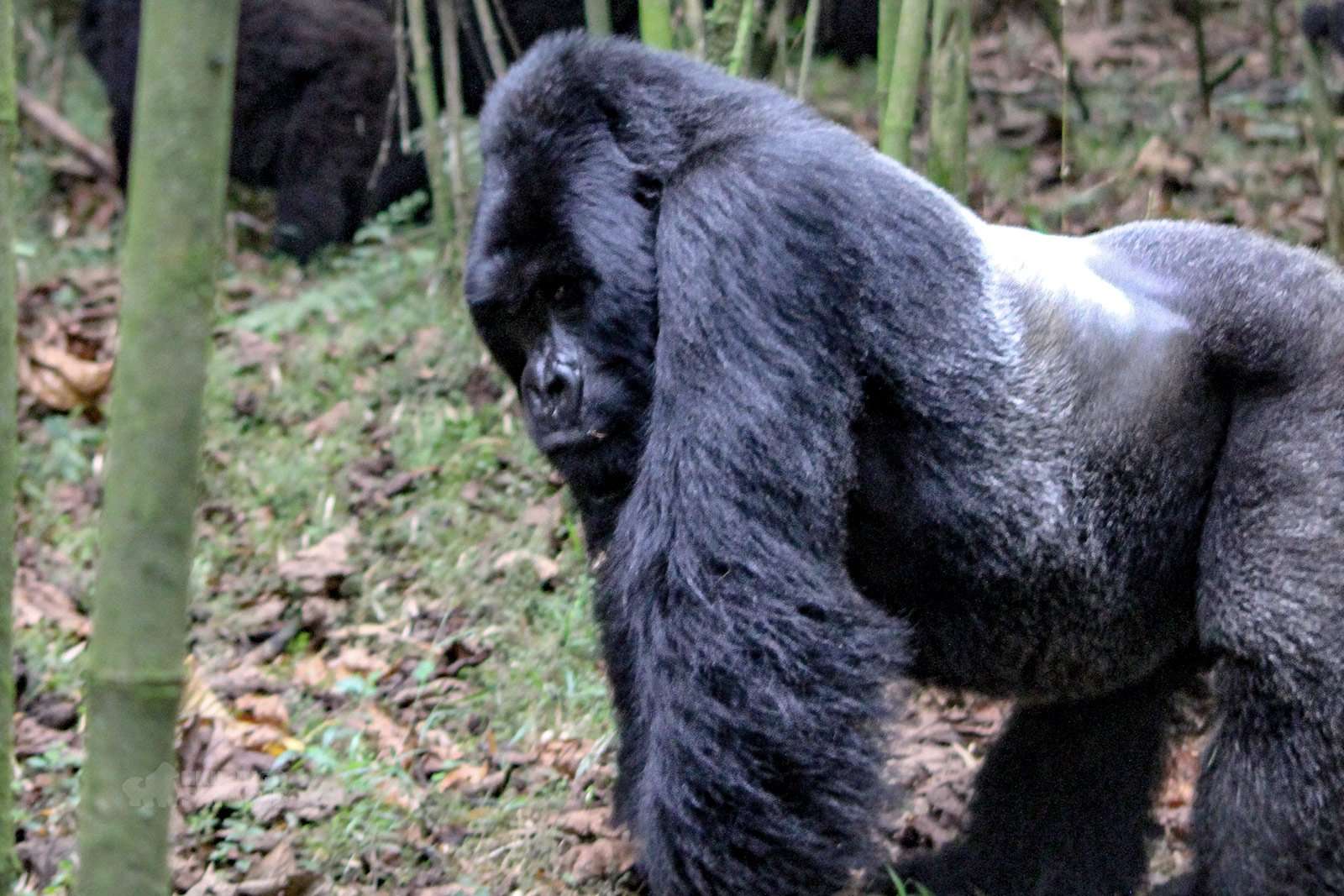
Silverback mountain gorillas may be the largest and strongest primates on Earth, but their demeanor is surprisingly gentle and shy. These “gentle giants” rarely display aggression in the wild, preferring a peaceful existence of foraging for food and relaxing with their family troop.
Those lucky enough to experience gorilla trekking in Rwanda or Uganda often note the silverbacks’ initial shyness and reserved nature around humans. However, once they become accustomed to a familiar presence, they can show surprising affection and curiosity.
Despite their peaceful disposition, silverbacks are fiercely protective of their families. They will become formidable defenders if provoked or threatened, displaying their immense strength and power to ward off any danger. This protective instinct is a testament to their deep-seated commitment to the safety and well-being of their troop. So, while silverback gorilla speed may not be their most prominent feature, their speed and ferocity in defending their family are remarkable.
3. Silverbacks are family-oriented primates
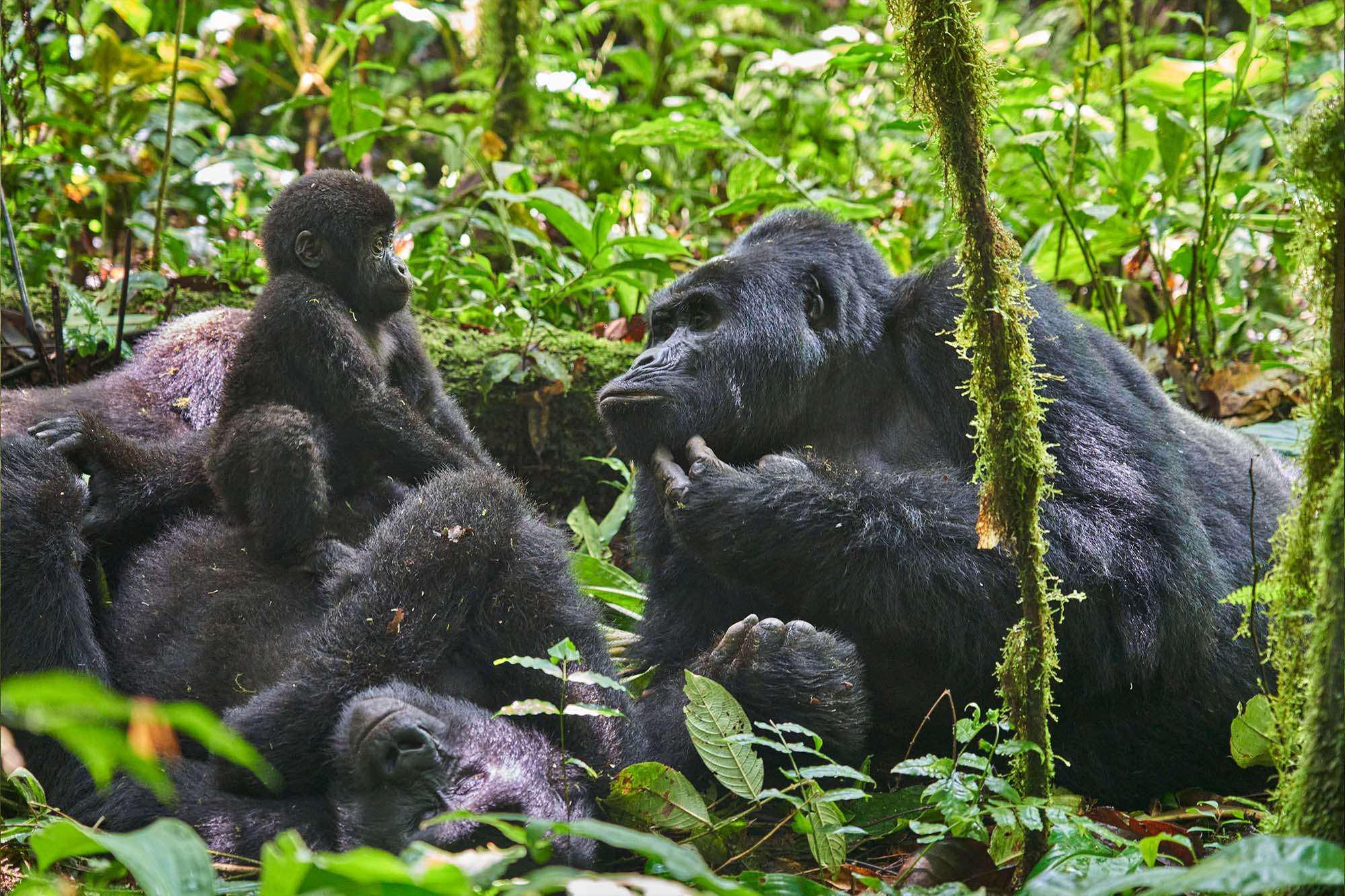
Silverback gorillas are deeply family-oriented primates, living in tight-knit groups known as troops. These troops consist of a dominant silverback leader, several adult females, and their offspring. The bonds within these families are incredibly strong, with the silverback playing a crucial role as protector and provider.
Observing the social dynamics within a gorilla troop is a captivating experience. Much like human children, young gorillas learn essential life skills through play and interaction with their elders. The females often share the responsibility of caring for infants and fostering a cooperative environment. These intricate interactions showcase the remarkable social intelligence and emotional depth of these majestic creatures, making them even more fascinating to study and observe.

4. The silverback gorilla’s nose is as unique as a fingerprint
Did you know that each mountain gorilla has unique wrinkles above its nostrils? It’s true! These wrinkles are as distinctive as human fingerprints. Back in the 1950s, when scientists began studying these gorillas in-depth, they needed a way to differentiate between individuals. It was then that they discovered the individuality of these nose prints.
To track and study gorillas over extended periods, researchers began using nose prints as a form of identification. By meticulously photographing and sketching the gorillas’ noses, along with noting other physical characteristics, scientists built comprehensive databases. This invaluable information enabled them to monitor the gorilla population and delve into their behavior, diet, and other aspects of their lives, contributing significantly to our understanding of these magnificent creatures.

Planning a gorilla adventure?
Here’s what you should wear!
5. Silverback gorillas are vegetarian
One of the most remarkable silverback gorilla facts is that despite their imposing size, they are devoted vegetarians. Their diet primarily consists of stems, bamboo shoots, and fruits. However, the high altitude of their habitat limits the variety of fruits available to these silverback gorillas, making them resourceful in their foraging.
Adult male silverback gorillas are impressive eaters, consuming over 18 kg of vegetation daily. Their incredible strength allows them to effortlessly break apart trees and trunks, accessing the tender interior pith, like that of a banana tree.
Remarkably, these silverback gorillas are also conscientious foragers. They avoid overexploiting a specific area for food, ensuring the vegetation has a chance to replenish quickly. This sustainable approach to feeding contributes to the health of their ecosystem and is just one of many interesting mountain gorilla facts.

6. They rarely drink water.
Did you know that silverback gorillas rarely need to drink water? This fascinating fact stems from their diet of succulent vegetation, rich in moisture, and their habit of licking morning dew off leaves. In essence, their meals double as their drinks, providing ample hydration.
These gentle giants spend up to half their day eating, ensuring they receive the necessary water intake from their food. This unique adaptation highlights their remarkable ability to thrive in their environment. Even Dian Fossey, the renowned primatologist known for her extensive research on mountain gorillas, noted their “obvious dislike of rain,” further emphasizing their aversion to water beyond what their food provides.
7. Silverbacks can weigh up to 500 lbs
Silverback gorillas are the largest and strongest primates on Earth, with adult males (silverbacks) weighing between 136-227 kg (300-500 lbs) and standing up to 6 feet tall. Females are significantly smaller, usually weighing half as much as the males.
Their imposing size is matched by their immense strength. Silverbacks are estimated to be up to 20 times stronger than an average adult human, capable of lifting or throwing up to 815 kg (1800 lbs)! However, silverbacks are not just powerful but also surprisingly agile and can run up to 25 mph in short bursts.
Additionally, their bite is incredibly powerful, with an estimated force of 1,300 pounds per square inch, exceeding that of a lion. Combined with their large canines, this impressive bite force makes them formidable defenders of their family groups.
Recommended tour packages to see the silverbacks of Africa.

Classic Primates Safari – Gorillas, Chimps, & Wildlife Adventure
8 Days | From US $3,865
Includes
Permits, Accommodation, Meals, Transport.

All-inclusive Gorillas & Wildlife Safari
12 Days | From US $5,518
Includes
Permits, Accommodation, Meals, Transport.
8. Silverback gorillas pound their chests to communicate
Silverback gorillas beat their chests to communicate a variety of messages, ranging from displays of dominance and aggression to expressions of excitement and playfulness. This iconic behavior is more than just a show of force; it’s a complex form of communication used by these intelligent primates.
When a silverback stands upright and beats its chest with cupped hands, it produces a resounding sound that can carry over a kilometer away. This impressive display serves several purposes. Primarily, it is used to intimidate rival males and deter potential threats. Additionally, it can also be a way for silverbacks to attract potential mates and establish their dominance within a group.
Recent research has also revealed that the pitch of the chest beat is linked to the gorilla’s size, with larger males producing lower-pitched sounds. This acoustic cue helps other gorillas assess the size and strength of the individual, influencing their social interactions.
Interestingly, not all gorillas beat their chests in the same way. Some individuals beat their chests more frequently and for longer durations than others, suggesting that this behavior may also vary based on individual personality or social context.

9. Silverbacks are Intelligent Tool Users and Master Communicators
Silverback gorillas are not only physically impressive but also remarkably intelligent. While they might not be as curious and adaptable as chimpanzees, they have demonstrated a surprising capacity for tool use. Scientists have observed silverbacks using branches to test water depth before crossing streams or rivers, constructing makeshift ladders to help their young reach tempting fruits in the treetops, and even employing sticks as utensils to avoid ant bites while feasting on these insects.
Their intelligence extends to their communication skills as well. Silverback gorillas have a complex repertoire of vocalizations, with over 25 distinct sounds used to convey emotions and intentions, from distress and alarm to contentment and aggression. In a remarkable example of interspecies communication, a gorilla named Koko even learned to communicate with humans using sign language, mastering over 1,000 signs and understanding over 2,000 English words. This feat highlights the cognitive capabilities of these incredible primates and adds another layer to the gorilla fun facts surrounding their species.

Short Gorilla Safari Experience, Fly to Bwindi
5 Days | From US $2,426
Includes
Permits, Accommodation, Meals, Transport.
Classic Primates Safari – Gorillas, Chimps, & Wildlife Adventure
8 Days | From US $3,865
Includes
Permits, Accommodation, Meals, Transport.
10. They can live up to 40 years old.
Silverback gorillas have a lifespan of 35 to 40 years in the wild. However, under the protection and care of captivity, they can often live well beyond 50 years. This increased longevity is attributed to a consistent food supply and the absence of natural predators.
Silverbacks face few threats from other animals in their natural habitat due to their immense size and strength. Leopards are among the few predators that occasionally pose a risk to gorillas, mainly targeting younger or weaker individuals. However, the most significant threat to silverbacks comes from humans. Poaching remains a persistent problem, with gorillas tragically killed for their heads, hands, and feet, which are sought after by collectors.
11. Silverback mountain gorillas are endangered.
Silverback mountain gorillas, these majestic creatures, face a grave threat of extinction. In recent decades, their population has declined significantly due to a combination of factors: habitat loss, disease outbreaks, and poaching.
The forests that serve as their home are shrinking as commercial logging and agricultural expansion encroach upon their territory. This loss of habitat forces gorillas into increasingly challenging living conditions. Additionally, disease outbreaks like the devastating Ebola outbreak in Congo in 2002, which claimed 95% of the mountain gorilla population there, pose a significant risk to their survival. In 1994, an entire gorilla population in Gabon was wiped out due to a similar disease outbreak.
Poachers also pose a severe threat, illegally hunting gorillas to sell to wealthy collectors for trophies or as exotic pets. Sadly, some gorillas are also killed unintentionally, caught in traps set for other animals.
Fortunately, conservation efforts, like those initiated by the renowned primatologist Dian Fossey, have raised global awareness about the plight of these incredible primates. In recent years, these efforts have led to an increase in the gorilla population, prompting the International Union for Conservation of Nature (IUCN) to upgrade their status from critically endangered to endangered. While this is a positive step, continued conservation efforts are crucial to ensure the long-term survival of these magnificent creatures.

12. You can visit a silverback and his family in their natural jungles in Africa.
Embark on the adventure of a lifetime and witness the majesty of silverback gorillas in their natural African habitat. Today, visitors to the rainforests of Rwanda, Uganda, and DRC can embark on unforgettable gorilla trekking tours. These multi-day expeditions, led by experienced local guides, offer a unique opportunity to spend a precious hour observing these majestic creatures in their natural environment.
Trekking permits are required for gorilla trekking adventures and can be obtained through reputable tour operators like Nkuringo Safaris in Uganda or Kigali, Rwanda. While the trek can be physically demanding, the reward of witnessing these gentle giants in their lush mountain home is an experience that will stay with you forever. Costs vary depending on the country and operator, so be sure to research and book your permits well in advance.
Short Gorilla Safari Experience, Fly to Bwindi
5 Days | From US $2,426
Includes
Permits, Accommodation, Meals, Transport.
Classic Primates Safari – Gorillas, Chimps, & Wildlife Adventure
8 Days | From US $3,865
Includes
Permits, Accommodation, Meals, Transport.

Testimonials
What Our Travellers Say
Discover more about
Our sustainability and conservation commitment
Nkuringo Safaris gives back by supporting local education, conservation, and creating jobs through community-driven tourism.