Safari Blog
When is The Best Time To Visit Uganda?

Best Time to Visit Uganda for Gorilla Trekking, Safaris & Wildlife
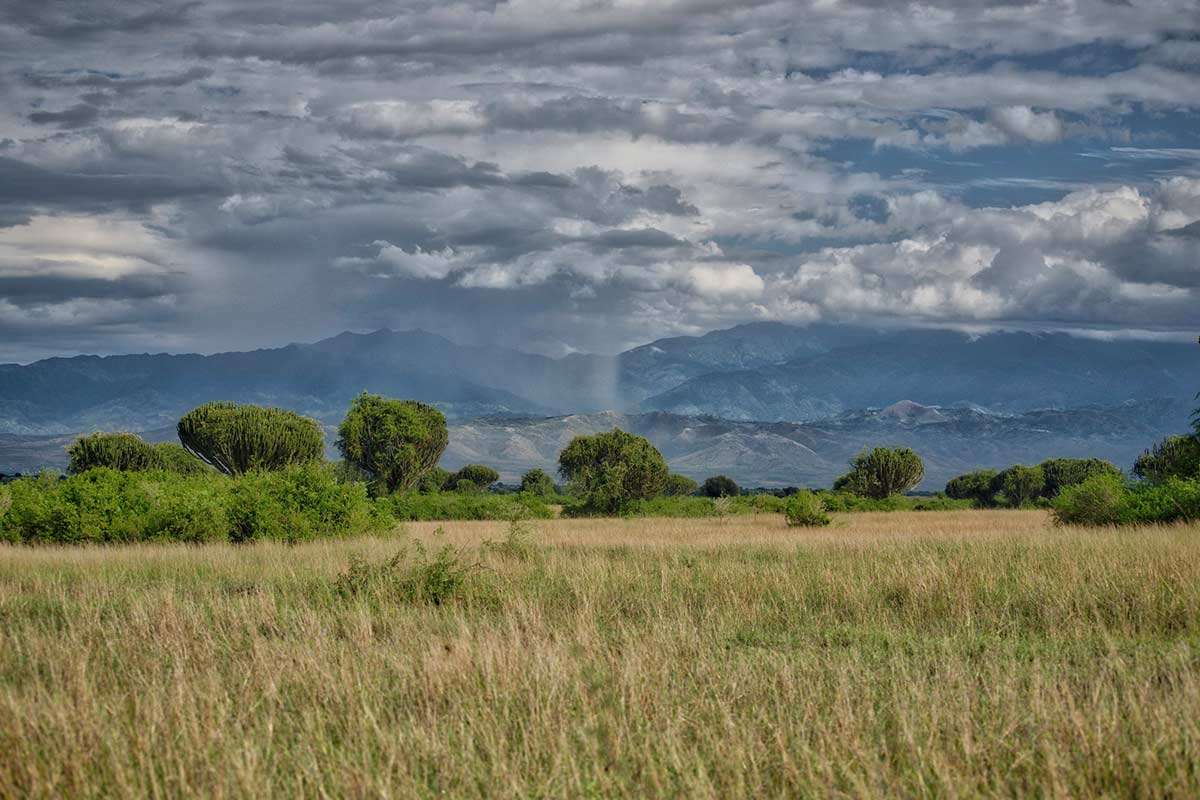
For most travelers, the best time to visit Uganda is during the dry seasons, from June to August and December to February. However, the ideal time for your safari depends on your specific interests and preferences. Whether you’re eager to track endangered mountain gorillas, embark on thrilling wildlife safaris, or witness the breathtaking beauty of migratory birds, understanding Uganda’s climate and wildlife patterns will ensure you have the adventure of a lifetime.
From the ideal weather conditions for gorilla trekking to the peak seasons for wildlife viewing, this guide will help you determine the best time to visit Uganda for your dream safari. Let’s dive into the factors to consider, including weather, crowds, and your personal preferences, to help you plan the perfect adventure.
Factors to Consider
Choosing the best time to visit Uganda for your safari adventure depends on several key factors. Understanding these nuances will help you tailor your trip to your specific interests and preferences.
1. Weather
Uganda experiences two distinct seasons:
- Dry Season (June-August, December-February): This is generally considered the best time for most travelers, with warm, sunny days and minimal rainfall. The dry season offers optimal conditions for gorilla trekking, wildlife safaris, and other outdoor activities. However, it’s also peak tourist season, so expect larger crowds and higher prices.
- Rainy Season (March-May, September-November): The rainy season brings lush landscapes, fewer crowds, and lower prices. While afternoon showers are common, they usually don’t last all day, and the parks are often less crowded. This can be a great time for birdwatching and photography, as the scenery is vibrant and the animals are more active.
2. Activities
Different activities might be better suited to specific times of the year:
- Gorilla Trekking: The dry season is generally preferred for gorilla trekking in Uganda, as the trails are less slippery, and the gorillas tend to stay at lower altitudes. However, trekking is possible year-round, and some argue that the lush scenery of the rainy season enhances the experience.
- Wildlife Safaris: The dry season is ideal for wildlife viewing, as animals congregate around water sources and are easier to spot in the thinner vegetation. However, the rainy season offers unique opportunities to witness newborn animals and lush landscapes.
- Birdwatching: Uganda is a birdwatcher’s paradise year-round, but the best time depends on the specific species you’re hoping to see. Migratory birds are most abundant from November to April, while resident birds are easier to spot during the dry season.
| Activity/Preference | Best Time to Visit | Why? |
|---|---|---|
| Gorilla Trekking | June-August, December-February | Dry trails, easier trekking |
| Wildlife Safaris | June-August, December-February | Animals congregate around water sources, easier visibility |
| Birdwatching | November-April, May-September (for migratory birds) | Abundant birdlife, nesting season |
| Budget Travel | March-May, September-November | Fewer crowds, lower prices |
| Avoiding Crowds | March-May, September-November | Shoulder season, quieter parks |
| Warm, Sunny Weather | June-August, December-February | Dry season, less rainfall |
| Lush Landscapes | March-May, September-November | Rainy season, vibrant scenery |
3. Crowds and Cost
- Peak Season (June-August, December-February): Expect larger crowds, higher prices for accommodations and activities, and the need to book well in advance.
- Shoulder Season (March-May, September-November): You’ll encounter fewer tourists, potentially lower prices, and more availability for accommodations and gorilla permits. However, keep in mind that the weather might be less predictable.
4. Personal Preferences
Ultimately, the best time to visit Uganda depends on your personal preferences:
- Weather: Do you prefer warm, sunny days or lush, green landscapes with occasional rain?
- Crowds: Do you prefer a quieter, more intimate experience or don’t mind sharing the parks with other travelers?
- Budget: Are you looking for the most affordable time to visit or willing to pay a premium for peak season perks?
By carefully considering these factors, you can choose the best time to visit Uganda that aligns with your interests, budget, and desired experience.
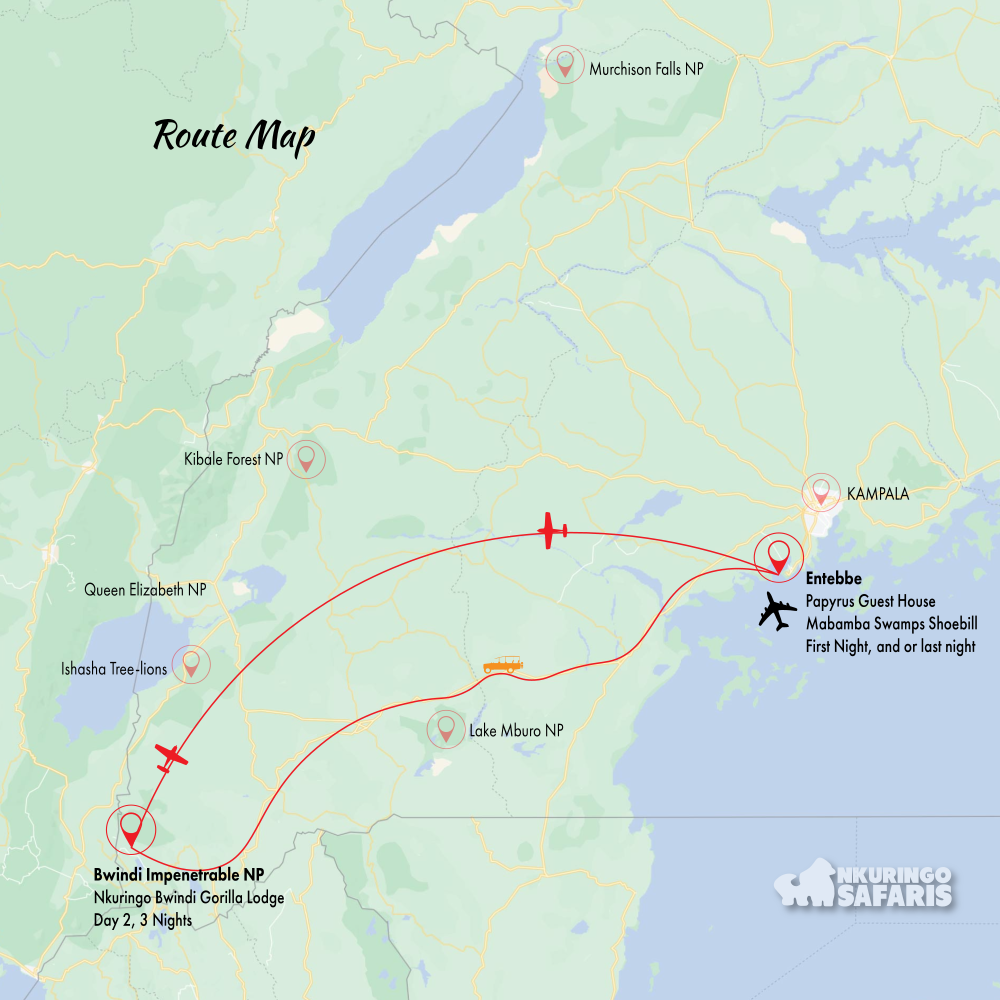
Short luxury gorilla safari in bwindi Impenetrable.
5 Days | From US $2,426
Includes
Permits, Accommodation, Meals, Transport.
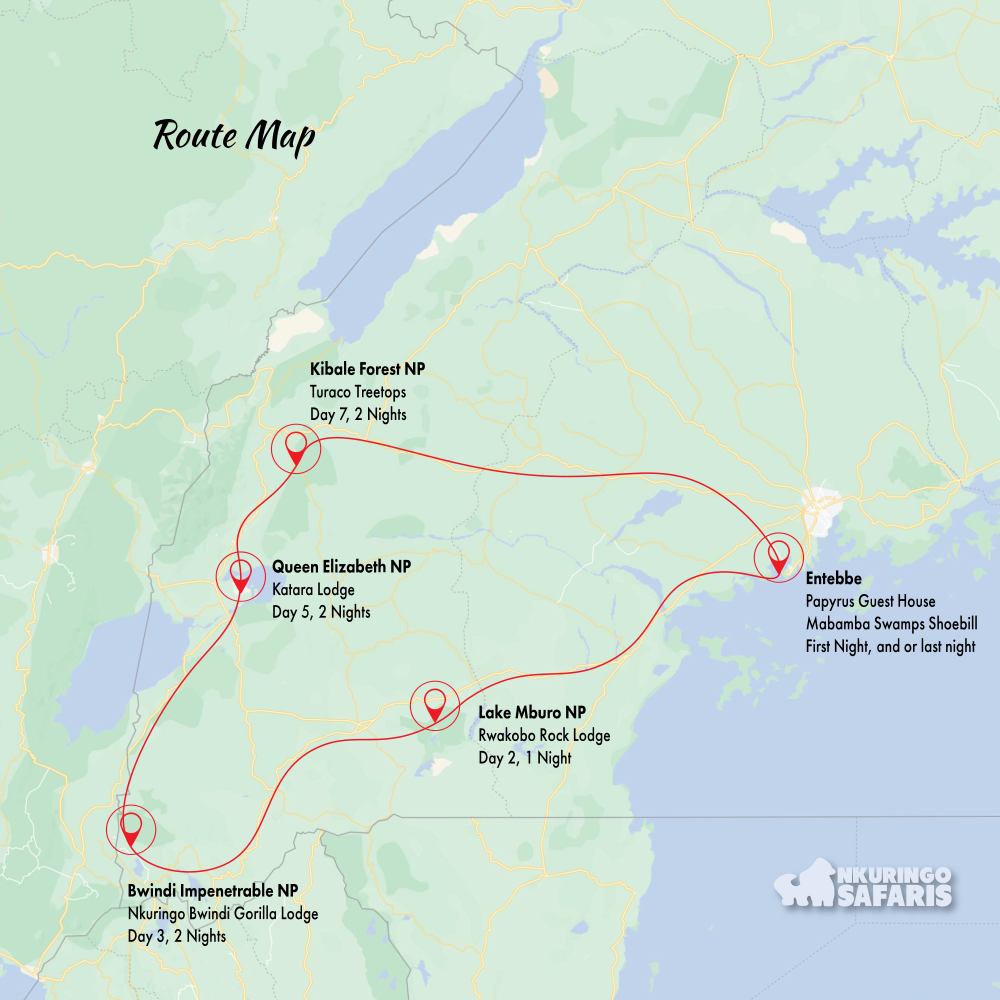
Primates: Gorillas, Chimps, & Wildlife Safari
8 Days | From US $3,865
Includes
Permits, Accommodation, Meals, Transport.
Rainy Seasons (March-May & September-November)
Uganda experiences two distinct rainy seasons, each offering its own charm and allure:
1. Long Rains (March-May)
The long rains, as the name suggests, bring heavier and more frequent rainfall. While some travelers might shy away from this period, it presents a unique opportunity to witness Uganda in its most vibrant and lush state. The landscapes transform into a verdant paradise, with waterfalls cascading with renewed vigor and flowers blooming in a riot of colors.
Pros:
- Lush, green landscapes
- Fewer crowds
- Lower prices for accommodations and activities
- Unique photographic opportunities
- Potential for rare wildlife sightings (e.g., newborn animals)
Cons:
- Heavier rainfall and increased humidity
- Some roads and trails might become muddy and challenging
- Gorilla trekking can be more strenuous
2. Short Rains (September-November)
The short rains offer a milder version of the rainy season, with lighter showers and more sunshine. This period is often considered a great time to visit for those seeking a balance between lush scenery and favorable weather conditions.
Pros:
- Greener landscapes compared to the dry season
- Fewer crowds than in peak season
- Pleasant temperatures
- Abundant birdlife (including migratory species)
- Easier gorilla trekking due to lower altitudes
Cons:
- Occasional rain showers
- Some roads might be slippery
Is the Rainy Season Right for You?
If you’re a budget-conscious traveler seeking a less crowded experience, the rainy season might be the perfect time to visit Uganda. The lush landscapes, vibrant wildlife, and lower prices make it a compelling option. However, it’s important to be prepared for the occasional rain and potentially challenging road conditions. If you’re flexible and adventurous, the rainy season can offer a unique and rewarding experience.
Tips for Traveling During the Rainy Season:
- Pack waterproof gear, including rain jackets, pants, and sturdy shoes.
- Choose accommodations with covered walkways and indoor activities.
- Consider renting a 4×4 vehicle for navigating muddy roads.
- Consult with your tour operator for up-to-date information on road conditions and park accessibility.
By embracing the rainy season, you’ll discover a side of Uganda that many visitors miss—a land bursting with life, color, and natural beauty.
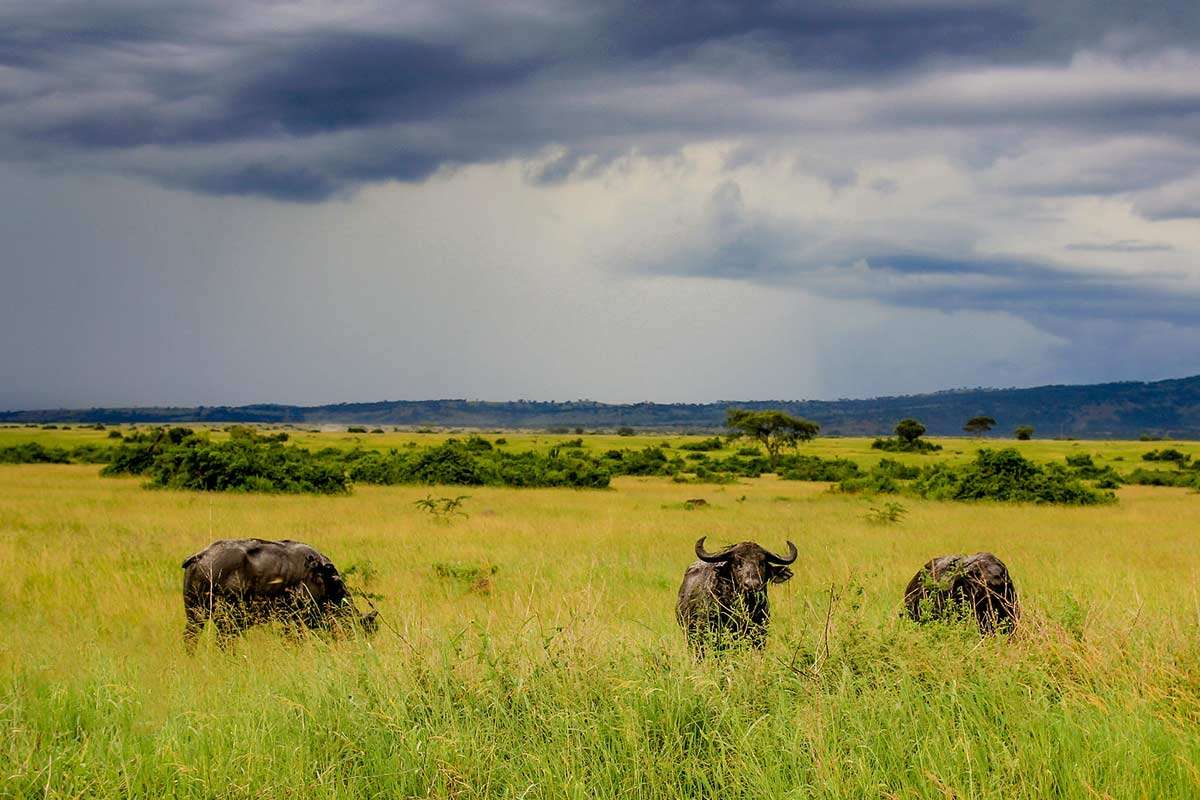
Dry Seasons (June-August & December-February): Prime Time for Wildlife Viewing
Uganda’s dry seasons, spanning June to August and December to February, offer a classic safari experience with abundant sunshine, minimal rainfall, and incredible wildlife viewing opportunities. This is the time when many travelers consider it the best time to visit Uganda, particularly for iconic activities like gorilla trekking and game drives.
1. June-August
The mid-year dry season boasts warm, sunny days with clear skies, making it ideal for photography and wildlife spotting. The vegetation thins out, allowing for better visibility during game drives.
Pros:
- Sunny weather with comfortable temperatures
- Optimal conditions for gorilla trekking (dry trails, easier access)
- Excellent wildlife viewing in savannas and national parks
- Ideal for hot air balloon safaris and boat cruises
- Vibrant cultural festivals and events
Cons:
- Peak tourist season, so expect larger crowds and higher prices
- Wildlife might be more dispersed as water sources are plentiful
- Some lodges and camps might be fully booked, so advance reservations are essential
2. December-February
The end-of-year dry season offers benefits similar to those of the mid-year period, with warm temperatures and minimal rainfall. This is a popular time for holiday travel and wildlife enthusiasts.
Pros:
- Pleasant weather with sunny skies
- Great wildlife viewing opportunities (especially in the savanna parks)
- Ideal for birdwatching, as migratory species arrive
- Festive atmosphere with holiday celebrations
Cons:
- High season, particularly in December, resulting in larger crowds and higher prices
- Dust can be a factor in some areas, especially on game drives
Is the Dry Season Right for You?
If you prioritize sunny weather, optimal wildlife viewing, and a classic safari experience, the dry season is likely the best time for your Uganda adventure. The dry trails and clear skies make it ideal for gorilla trekking and game drives, and the abundance of wildlife ensures unforgettable encounters. However, be prepared for larger crowds and higher prices, especially during peak months.
Tips for Traveling During the Dry Season:
- Book accommodations and permits well in advance, especially during peak months.
- Pack for warm weather with lightweight, breathable clothing.
- Consider visiting less popular parks for a more intimate experience.
- Bring a hat, sunglasses, and sunscreen to protect yourself from the sun.
Whether you choose the mid-year or end-of-year dry season, you will have an incredible safari experience in Uganda, witnessing the country’s diverse wildlife and breathtaking landscapes at their best.
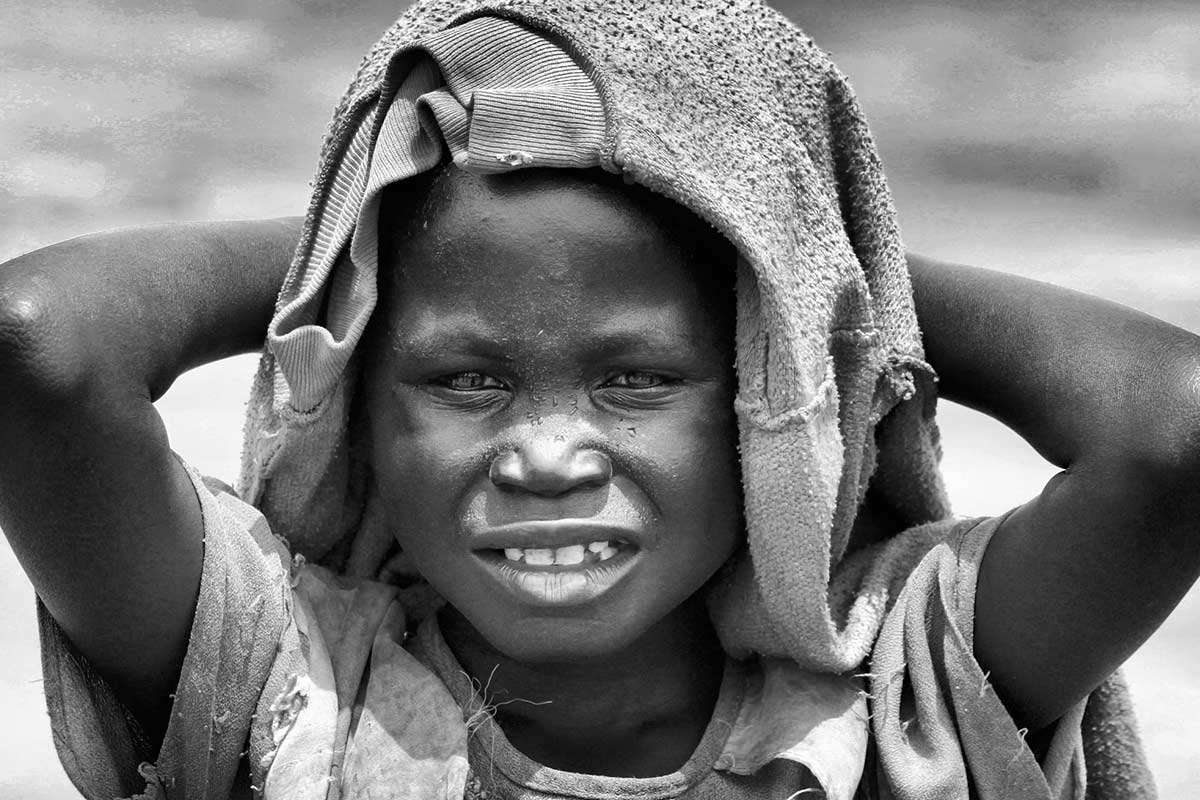
Month-by-Month Guide: Choosing the Best Time for Your Uganda Safari
To help you pinpoint the ideal time for your Uganda adventure, let’s explore the unique characteristics and highlights of each month:
January:
- Weather: Dry season with warm temperatures and sunny skies.
- Wildlife: Excellent wildlife viewing in savanna parks (Queen Elizabeth, Murchison Falls, Kidepo Valley). Migratory birds present.
- Pros: Dry trails for gorilla trekking, abundant wildlife, clear skies for photography.
- Cons: Peak season, so expect larger crowds and higher prices.
February:
- Weather: Similar to January, with warm temperatures and minimal rainfall.
- Wildlife: Great opportunities for game drives and boat safaris.
- Pros: Ideal conditions for gorilla trekking and wildlife viewing.
- Cons: Still peak season, so crowds and prices remain high.
March:
- Weather: Start of the long rainy season, with increasing rainfall and humidity.
- Wildlife: Lush landscapes, bird activity increases, and baby animals are born.
- Pros: Fewer crowds, lower prices, vibrant scenery.
- Cons: Rain can make some roads and trails challenging.
April:
- Weather: Long rains continue, with frequent showers.
- Wildlife: Lush vegetation and waterfalls, excellent for birdwatching.
- Pros: Lower prices, fewer tourists, unique wildlife encounters.
- Cons: Heavier rainfall, some activities might be limited.
May:
- Weather: Transition month between long rains and dry season.
- Wildlife: Greenery begins to fade, African animals start to congregate near water sources.
- Pros: Fewer crowds, potentially lower prices, chance to see both lush landscapes and wildlife.
- Cons: Unpredictable weather, some roads might still be muddy.
June:
- Weather: Start of the dry season, with warm, sunny days and clear skies.
- Wildlife: Animals congregate around water sources, making them easier to spot.
- Pros: Excellent wildlife viewing, ideal for gorilla trekking, pleasant temperatures.
- Cons: Start of peak season, prices begin to rise.
July:
- Weather: Dry season continues with consistently warm and sunny weather.
- Wildlife: Prime time for game drives and boat safaris.
- Pros: Perfect conditions for outdoor activities, abundant wildlife.
- Cons: Peak season, higher prices, and more crowds.
August:
- Weather: Similar to July, with warm temperatures and clear skies.
- Wildlife: Excellent opportunities for gorilla trekking and chimpanzee tracking.
- Pros: Great weather, diverse wildlife sightings, ideal for adventure activities.
- Cons: Peak season continues, so expect higher prices and busy parks.
September:
- Weather: Transition month with some rainfall and cooler temperatures.
- Wildlife: Migratory birds start to arrive, adding to the birdwatching opportunities.
- Pros: Less crowded than peak season, lower prices, chance to see both resident and migratory birds.
- Cons: Some rain possible, less predictable weather.
October:
- Weather: Start of the short rainy season with occasional showers and cooler temperatures.
- Wildlife: Lush landscapes, abundant birdlife, newborn animals.
- Pros: Fewer crowds, lower prices, beautiful scenery.
- Cons: Rain can be a factor, some roads might be slippery.
November:
- Weather: Short rains continue, but showers are generally lighter and shorter.
- Wildlife: Prime time for birdwatching with both resident and migratory species.
- Pros: Less crowded, lower prices, vibrant landscapes, great for bird enthusiasts.
- Cons: Rain can still be a factor, trails might be muddy.
December:
- Weather: Transition month with decreasing rainfall and rising temperatures.
- Wildlife: Wildlife starts to disperse as water becomes more readily available throughout the parks.
- Pros: Fewer crowds than peak season, beautiful scenery, festive atmosphere.
- Cons: Weather can be unpredictable, some parks might be closed for maintenance.
By exploring this month-by-month breakdown, you can gain valuable insights into the unique advantages and considerations for each time of year. This information, combined with your personal preferences and interests, will empower you to choose the best time to plan for your unforgettable Uganda safari adventure.

Gorilla Trekking Safari & Road Trip Across The Country
5 Days

Expedition Uganda; safari across the country’s wildlife national parks
16 Days
Choose the Perfect Time to Explore Uganda Now!
As you’ve discovered, Uganda is a year-round safari destination with unique experiences to offer in every season. Whether you’re drawn to the sunny skies and abundant wildlife of the dry season or the lush landscapes and vibrant birdlife of the rainy season, there’s no wrong time to visit this East African gem.
Ultimately, the best time to go on your Uganda safari adventure depends on your personal preferences, interests, and budget. By carefully considering the factors outlined in this guide, you can confidently choose the ideal time to explore this captivating country.
Here’s a quick recap to help you decide:
- Dry Seasons (June-August, December-February): Ideal for gorilla trekking, wildlife safaris, and outdoor activities. Expect warm, sunny days, clear skies, and abundant wildlife. However, be prepared for larger crowds and higher prices.
- Rainy Seasons (March-May, September-November): Perfect for budget travelers and those seeking a quieter, more intimate experience. Enjoy lush landscapes, vibrant birdlife, and lower prices. Be prepared for occasional showers and potentially challenging road conditions.
No matter when you choose to visit, Uganda promises an unforgettable safari experience filled with breathtaking scenery, incredible wildlife encounters, and rich cultural immersion.
Ready to plan your dream Uganda safari? Contact our expert safari consultants today to create a personalized itinerary that perfectly matches your interests and preferences. We’ll handle all the details, from booking accommodations and permits to arranging transportation and activities, so you can relax and enjoy an unforgettable African adventure.

Testimonials
What Our Travellers Say
Discover more about
Our sustainability and conservation commitment
Nkuringo Safaris gives back by supporting local education, conservation, and creating jobs through community-driven tourism.