
12-Days Explore The Best of Uganda’s Wilderness Gems


Overview
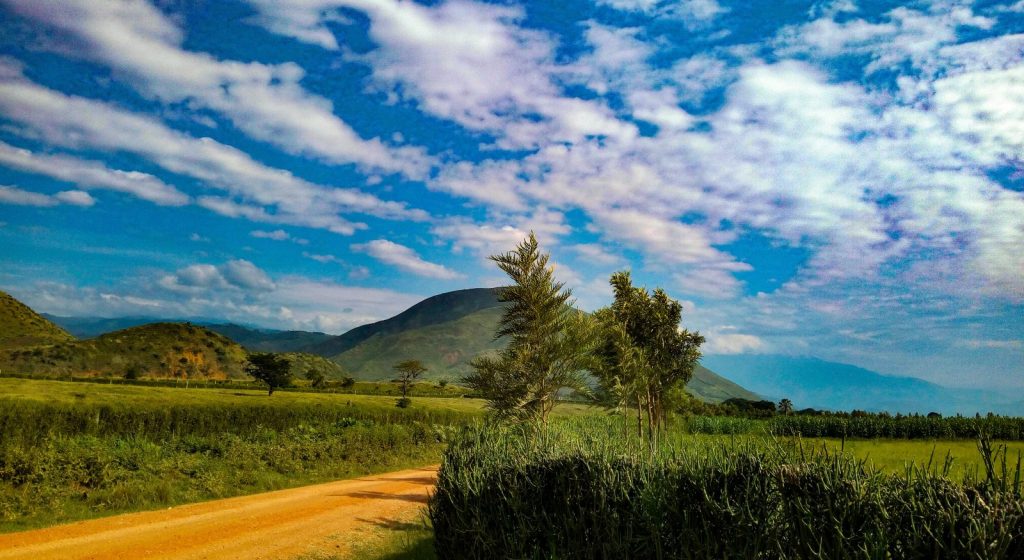
Soar between Entebbe and Bwindi and take in sweeping aerial views of south western Uganda’s dramatic, untamed landscapes. On the ground, slow the pace with a traditional dug out canoe journey across the tranquil waters of Lake Mutanda, followed by gentle walks through remote villages and beautifully terraced gardens that reveal everyday rural life.
Settle into three indulgent nights at Nkuringo Bwindi Gorilla Lodge, an elegant retreat tucked among trees and flowering gardens on a ridge. From here, uninterrupted vistas stretch across the Bwindi Impenetrable Forest, the rugged borderlands and the full sweep of the Virunga Mountains.
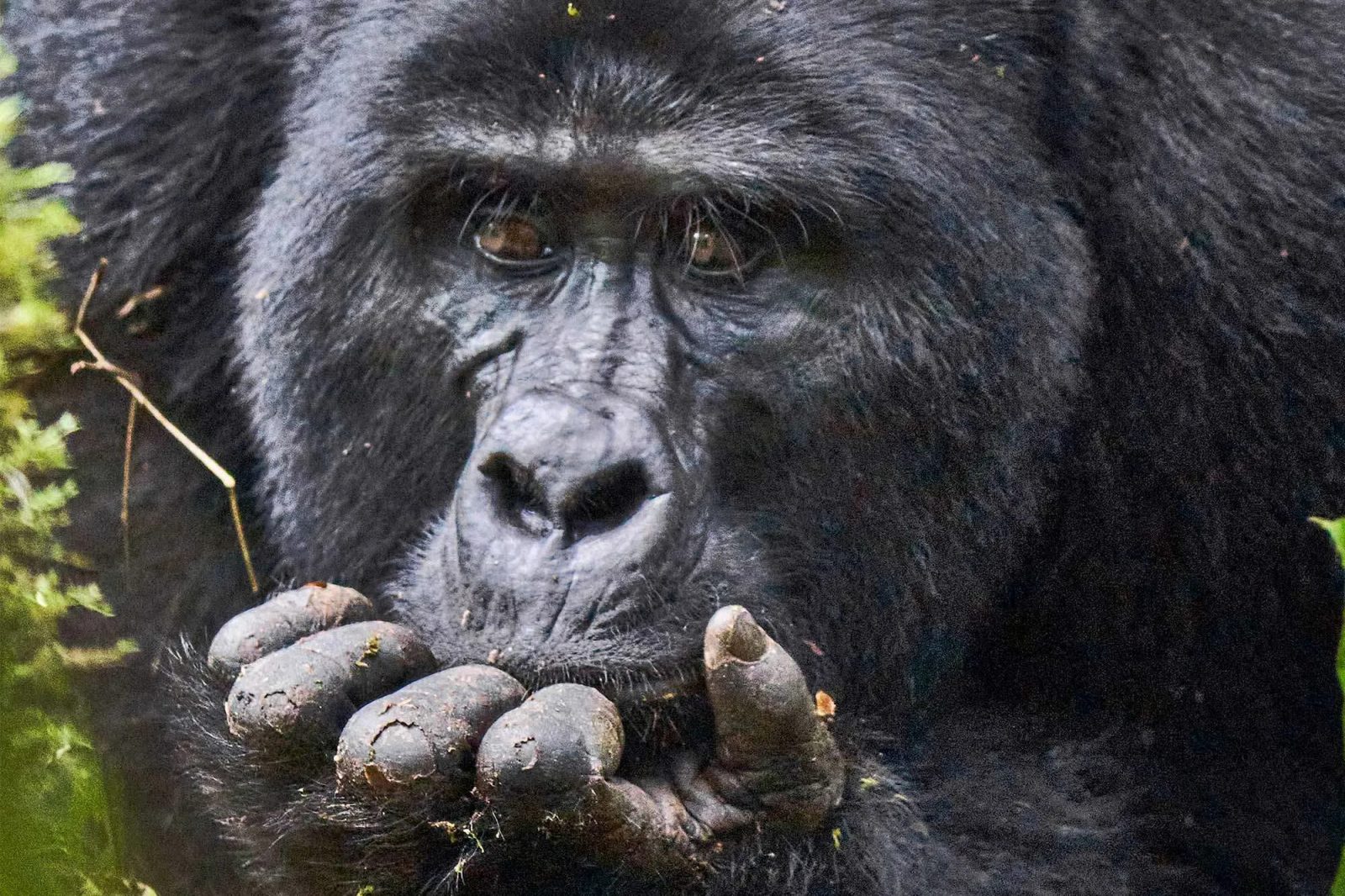
Just a short walk from the visitor centre, venture into the dense rainforest with experienced local guides and porters for a once in a lifetime encounter with a mountain gorilla family, spending a precious hour observing their fascinating social bonds.
The journey is enriched further by meeting the Batwa forest people, gaining insight into their ancient traditions through storytelling, song and dance, and experiencing a living connection to the forest they have called home for generations.


Uganda is where Africa’s wild heart beats strongest—home to rare mountain gorillas, untamed savannahs, and some of the most authentic safari experiences on the continent.
Highlights
- Scenic flight between Entebbe and Bwindi over south western Uganda.
- Dug out canoe trip on Lake Mutanda and village walks.
- Three nights at Nkuringo Bwindi Gorilla Lodge with sweeping views.
- Guided trek to spend an hour with mountain gorillas.
- Cultural visit with the Batwa forest people.

General Information on Uganda
Uganda’s weather is shaped by two main dry seasons and two wet seasons, each offering its own charm for travelers.
The dry seasons, which run from December to February and again from June to August, are the most popular times to visit. Days are warm and sunny, wildlife is easier to spot as animals gather near water sources, and trekking trails are more manageable—making this the ideal period for gorilla trekking and traditional safaris.
The wet seasons arrive from March to May and September to November. During these months, rain showers are more frequent, especially in the forested and mountainous regions, which can make hiking trails muddy and challenging. Yet these rains transform the country into a lush, green paradise, perfect for photography and birdwatching. Fewer tourists travel at this time, so the parks feel quieter and accommodation rates are often more affordable, adding to the appeal for those seeking a more exclusive safari experience.

What's Included?
- Accommodation in luxury lodges and meals as indicated in itinerary
- 1 gorilla trekking permit ($800)
- Return domestic flight between Kisoro Airport (Bwindi) and Entebbe International Airport
- All excursions and activities as indicated in the itinerary under the supervision of a professional English-speaking guide.
- Ground transport and transfers in a 4×4 Custom Safari Landcruiser
- AMREF Evacuation Insurance cover
- Government taxes
- Travel insurance
- International flights
- Visa fees and processing
- Extra activities and meals not indicated in the itinerary
- Extra luggage on domestic flights
- Service tips, gratuities, souvenirs, and snacks
- Accommodation after the end of the trip
Detailed
Itinerary
For adventurers with less time on holiday or those connecting their journey with a wildlife safari in Kenya, Tanzania or South Africa, the 5-day short luxury gorilla safari in Uganda is the perfect, once-in-a-lifetime off-the-beaten-track holiday expedition.
The trip starts in Entebbe, using a small domestic plane flies you across the southwestern Tuscan-like landscape to a luxurious forest lodge on the edge of Bwindi Impenetrable Forest. You’ll spend three nights in a forest cottage with spell-bound views of the Virunga Volcanoes, the rugged Rift Valley, and the steamy forest canopy.
On the second day, you’ll be guided into the pristine jungle to find a mountain gorilla family and spend one electrifying hour silently observing their evolutionary life.
You’ll also explore the rugged rural region on foot, with immersive walks through communities and terraced gardens.
Engage with the Batwa native community on a forest trail, showcasing their ancient cultures, drama, hunting and survival skills when they occupied the gorilla-filled jungles.

Testimonials
What Our Travellers Say
My husband and I had a week vacation, which is not a lot given all the things we wanted to do/see. Nkuringo organized our trip to make the most of this week. The trip was flawlessly organized. Time-management was perfect. They were flexible and accomodating, all our needs were met and we felt listened to, it was a truly customized experience.

My husband and I had a week vacation, which is not a lot given all the things we wanted to do/see. Nkuringo organized our trip to make the most of this week. The trip was flawlessly organized. Time-management was perfect. They were flexible and accomodating, all our needs were met and we felt listened to, it was a truly customized experience.
My husband and I had a week vacation, which is not a lot given all the things we wanted to do/see. Nkuringo organized our trip to make the most of this week. The trip was flawlessly organized. Time-management was perfect. They were flexible and accomodating, all our needs were met and we felt listened to, it was a truly customized experience.
My husband and I had a week vacation, which is not a lot given all the things we wanted to do/see. Nkuringo organized our trip to make the most of this week. The trip was flawlessly organized. Time-management was perfect. They were flexible and accomodating, all our needs were met and we felt listened to, it was a truly customized experience.








Some of Our
Frequently Asked Questions
Yes, it is generally safe to go on a wildlife safari in Uganda, as the country has a stable political environment and a low crime rate. However, opportunistic crimes such as petty theft, credit card fraud, and home robbery can occur, especially in crowded cities like Kampala. Holiday visitors are advised to be vigilant and avoid drawing too much attention to themselves in public places. Additionally, Ugandans are known for their hospitality and respect for traditional culture, making it a welcoming destination for LGBTQ travelers. While the country has laws against homosexuality, it is a private matter that is not openly discussed or attacked. Visitors are encouraged to enjoy the wildlife, culture, and people of Uganda but should refrain from promoting their own sexual rights.
If you plan to visit Uganda, you must apply for a visa beforehand at visas.immigration.go.ug. The Ugandan Ministry of Internal Affairs announced this on October 14, 2021. For more information about entry requirements, check the Ugandan Directorate of Citizenship and Immigration Control website.
It is important to ensure you have all your routine vaccinations up to date before going on a Uganda wildlife safari. The risk of malaria is low in higher altitudes such as Bwindi, but high in lower altitudes, particularly near Lake Victoria, and even higher if you venture into rural areas and villages outside of the parks and reserves. Consult with a travel doctor to determine if you require vaccinations, and ensure you receive them in a timely manner. A yellow fever vaccination certificate is required for travelers aged one year or over arriving from countries with risk of yellow fever transmission.
Yes, Uganda has international flights connecting it to the world through Entebbe International Airport. Entebbe International Airport (IATA: EBB, ICAO: HUEN) is the largest airport in Uganda, serving the area of Entebbe. It offers non-stop flights to 27 destinations in 15 countries, with 5 domestic flights available. Direct flights to Uganda are not available from various regions, including the United States, Canada, Southern America, Central America, the Caribbean, Southern Asia, China, Japan, Eastern Asia, South-Eastern Asia, Central Asia, or Oceania. The only intercontinental flights operating from Entebbe International Airport (EBB) are between Entebbe and Europe and between Entebbe and the Middle East. But there are connecting flights from major cities across the world and the cheapest ones are Kenya Airways through Nairobi, Rwandair through Kigali, Ethiopia Airlines through Addis Ababa, South African Airways through Johannesburg.
Yes, visitors to Uganda require a visa. You can quickly obtain a tourist visa online for US$50 without extensive paperwork. A single tourist East African visa for Uganda, Kenya, and Rwanda is available at US$100. Required documents include a passport and a yellow fever card copy. Stay up-to-date with visa information at visas.immigration.go.ug.
A typical Uganda wildlife safari can take about 3-14 days, but the number of days can be customized to fit traveler’s preferences and budgets. A 14-day safari can cover the entire western wildlife safari circuit. A 7-10 day safari is popular among visitors as it provides ample time for exploration and activities. The safari’s length affects the cost, with longer safaris being more expensive.
On a wildlife safari in Uganda, expect to see a diverse range of wildlife, including the “Big Five” (elephants, lions, leopards, rhinos, and buffalos), primates such as chimpanzees and gorillas, as well as giraffes, zebras, hippos, crocodiles, and antelopes. Uganda’s national parks, such as Bwindi Impenetrable, Queen Elizabeth, and Kibale Forest, offer some of the best wildlife viewing safaris in Africa, with stunning landscapes. Boat cruises along the Nile River and Kazinga Channel are perfect for observing Uganda’s rich birdlife, with over 1,000 species recorded.
If you’re a first-time traveler, Uganda is an ideal destination to discover unique African cultures. The country boasts diverse cultures of over 56 ethnic groups who speak various languages, including English and Swahili as the official languages. Ugandan people are well-known for their warm hospitality and friendliness, often welcoming visitors with open arms and smiles. Uganda’s rich culture is reflected in its traditions, music, art, and dance, influenced by the different ethnic communities. From the colorful clothing worn during festivities to the rhythmic beats of traditional drumming, Uganda’s culture is an immersive and captivating experience.
The best place to experience Uganda’s culture is Kampala for a fusion of modern and native. Head inside the country for rural cultures, and you’ll find uninfluenced rich traditions and customs. Cultural festivals and events showcase the country’s heritage, such as the vibrant Buganda Kingdom ceremonies or the lively dances of the Karamojong people and Batwa pygmy communities in the mountains. It’s important to approach local customs respectfully and open-mindedly, as Ugandans cherish their traditional values and sense of community. Engaging with locals, trying delicious Ugandan cuisine, and taking in the stunning scenery will make your visit to Uganda a memorable and rewarding adventure.
Ugandans are renowned for their warm hospitality and diverse cultural heritage stemming from over 56 ethnic groups. This diversity is reflected in their strong adherence to traditions, vibrant music and dance, and deep respect for community bonds and family ties. Religion, particularly Christianity and Islam, plays a central role in their lives, while resilience and a strong work ethic drive their determination to overcome challenges. Traditional clothing, linguistic diversity, and a profound connection to the environment underscore their identity. Amidst economic and historical complexities, Ugandans display a friendly, community-oriented spirit, making interactions with them a culturally rich and meaningful experience.
Lake Mburo National Park is the closest wildlife safari destination to Kampala, Uganda’s capital. This small park offers a small-scale safari experience where you can see various local wildlife, including birds, primates, reptiles, and some larger animals like giraffes and zebras. It’s convenient for those looking for a taste of wildlife without venturing too far from the city. If you’re looking for a more traditional and expansive safari experience with the “Big Five” (lion, elephant, buffalo, leopard, and rhinoceros), you might consider traveling a bit further to Queen Elizabeth National Park. This park is still relatively close to Kampala and offers a more immersive safari adventure. For a truly iconic and world-renowned safari experience, you can venture a bit farther to Bwindi Impenetrable Forest National Park or Mgahinga Gorilla National Park to trek and observe endangered mountain gorillas in their natural habitat, a unique and unforgettable opportunity. Remember that travel times can vary based on road conditions and transportation options in Uganda.
Uganda offers relatively good traditional wildlife-viewing safaris by vehicle and exceptional safaris by boat. The country’s wildlife reserves provide a more private vacation experience than Kenya or Tanzania, and Uganda vacations are cheaper, too.
