Top Safari destinations
Uganda Safaris: Choose Your Route, Parks, and Season
Uganda is one of the few destinations where you can combine gorilla trekking, chimp trekking, and classic wildlife parks into one well-paced trip. This Uganda safari guide helps you understand where to go, when to visit, and how to build the right route – whether you’re planning a private Uganda safari, a fly-in trip, or a slower, more immersive journey.
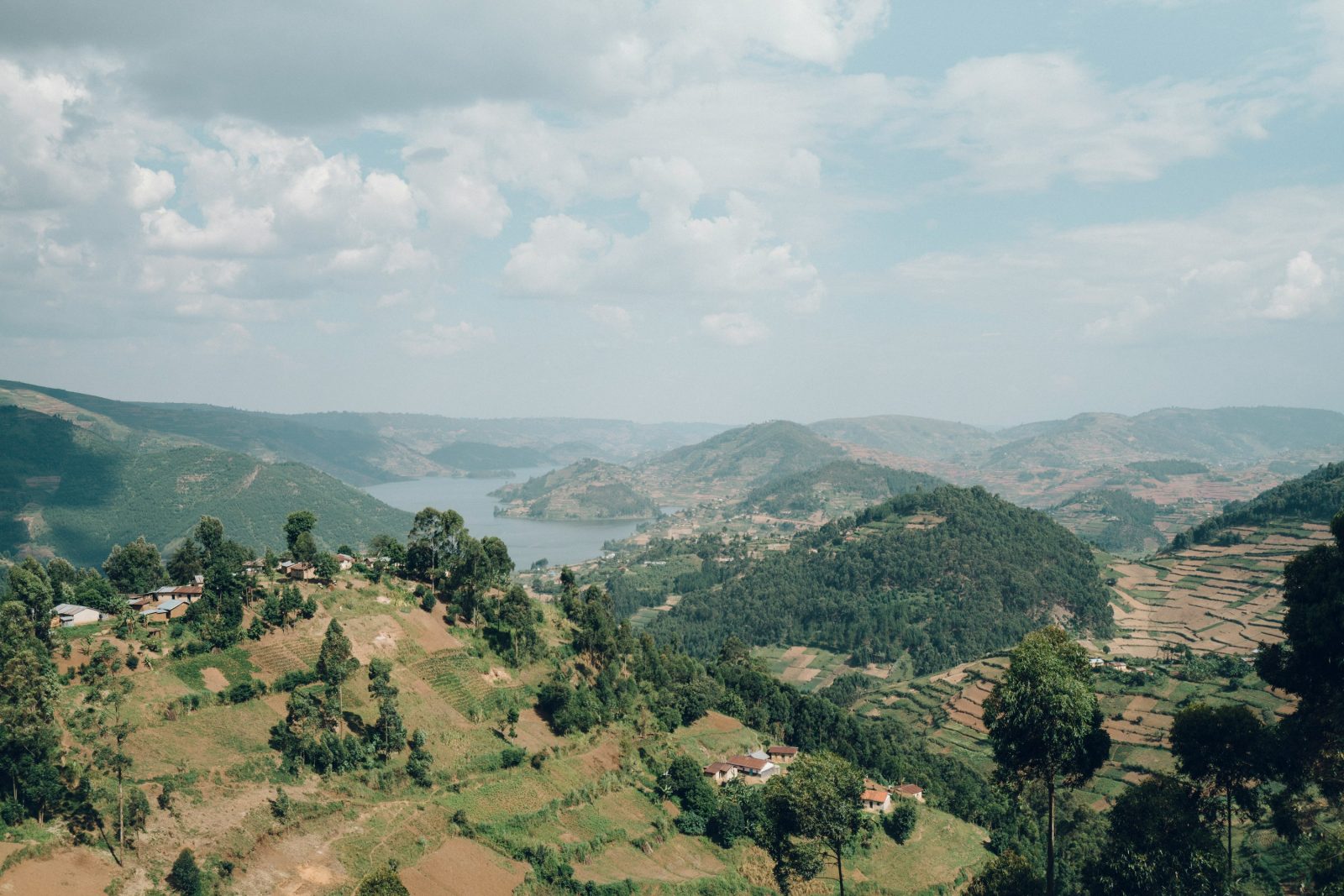

Uganda stands out because it offers primate trekking and a classic safari in one itinerary. You’re not choosing between experiences – you’re layering them.
At its core, a Uganda safari is about contrast. One day is spent in dense forest tracking gorillas in Bwindi Impenetrable National Park or golden monkeys in Mgahinga Gorilla National Park. The next, you’re in open savannah in Queen Elizabeth National Park or cruising along the Nile in Murchison Falls National Park.
What makes Uganda different:
- Primate focus done properly – Gorilla trekking and chimp trekking in Kibale National Park are not rushed. Routes are built to protect energy around these key days.
- Varied landscapes in one trip – Forest, savannah, lakes, and river systems all connect within a single Uganda safari itinerary.
- Wildlife without crowding – Uganda’s wildlife parks feel quieter than Kenya or Tanzania, with more space on game drives and boat safaris.
- Flexible route building – Uganda safari routes can be shaped around your priorities – primates, wildlife, photography, or pacing.
This makes Uganda ideal for:
- travellers prioritising gorilla trekking or a primate safari
- those wanting a more varied alternative to Kenya/Tanzania
- anyone looking for a private Uganda safari with depth and flexibility
If you want a safari that feels active, varied, and personal rather than repetitive, Uganda is one of the strongest choices in Africa.
Choosing Between Uganda and Other Safari Classics
The right safari depends on what you want the trip to feel like.
Uganda vs Rwanda gorillas
Choose Uganda if you want gorilla trekking to be the anchor of a broader trip. Uganda makes it easier to combine gorillas with chimpanzee trekking, savannah wildlife viewing, and river experiences in one route. Choose Rwanda if you want a shorter, smoother gorilla-focused trip with less overland travel.
Uganda vs Kenya or Tanzania safari
Choose Kenya or Tanzania if your priority is classic open-plains safari, big herds, and the most iconic savannah scenes. Choose Uganda if you want more contrast – forest primates, wildlife parks in Uganda, and a journey that feels more layered from day to day.
Who Uganda is best for
Uganda is especially strong for travellers who want:
- gorilla trekking plus more than gorillas
- a primate safari with wildlife variety
- a safari that feels active and personal
- a slower, less crowded alternative to more classic circuits
Bwindi Forest
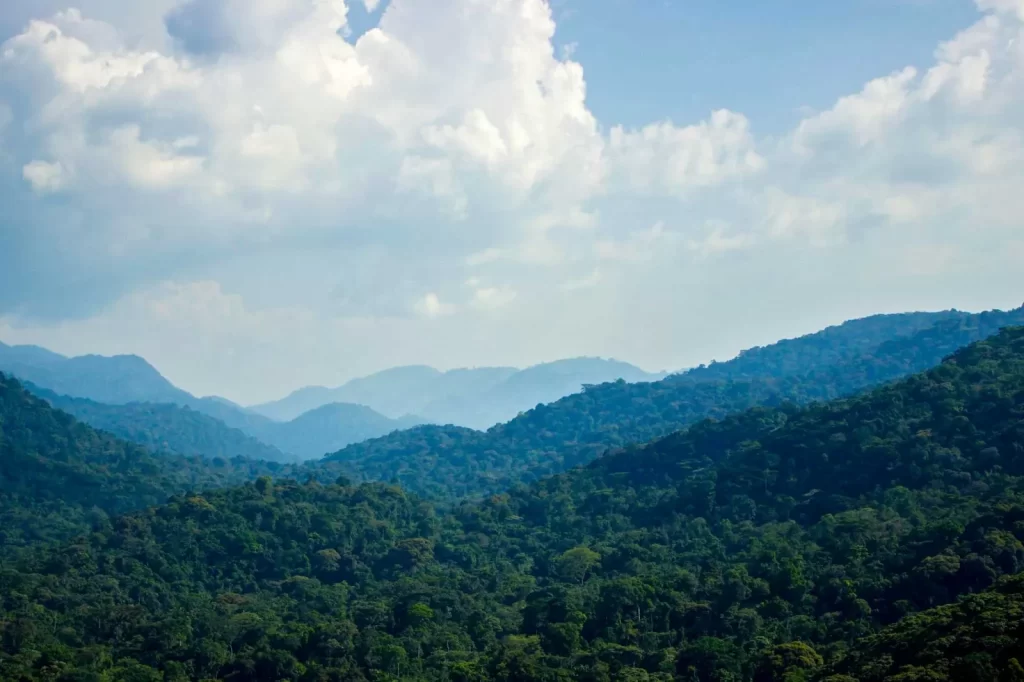
Bwindi Impenetrable is an ancient rainforest spread over steep ridges and valleys that form a protective habitat for almost half of the last mountain gorillas. It features on most Uganda wildlife safaris and offers the best treks to see silverback gorillas and immerse in local cultures.
Kampala
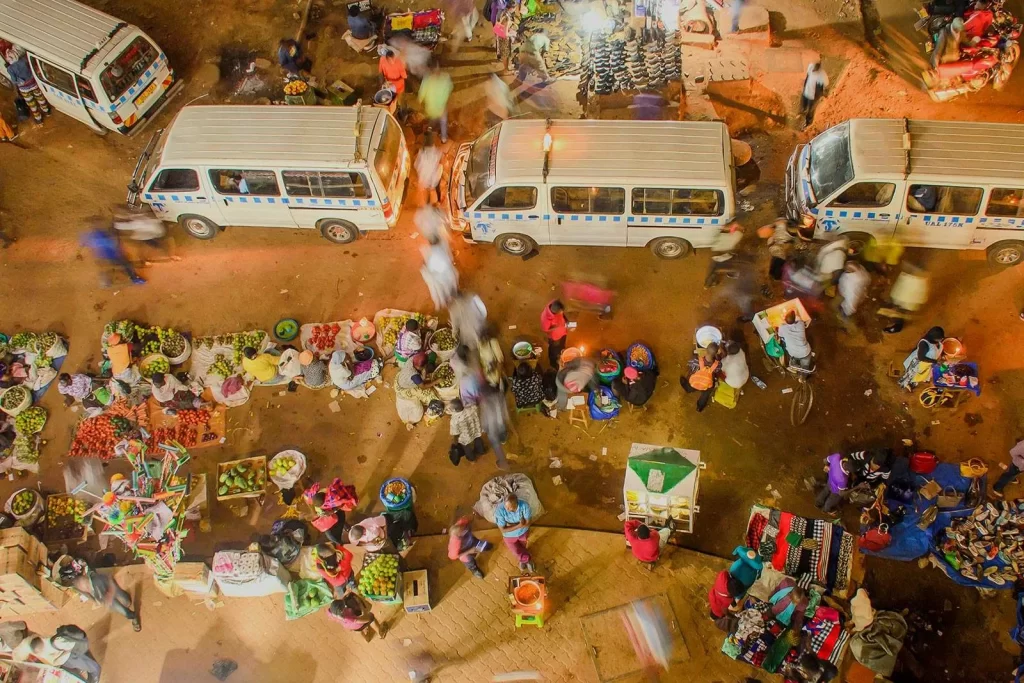
Kampala is a place you must visit while on holiday in Uganda. The vibrant capital offers a diverse range of cultural experiences, including bustling markets, museums, restaurants, nightclubs, and traditional music and dance performances.
Kibale National Park
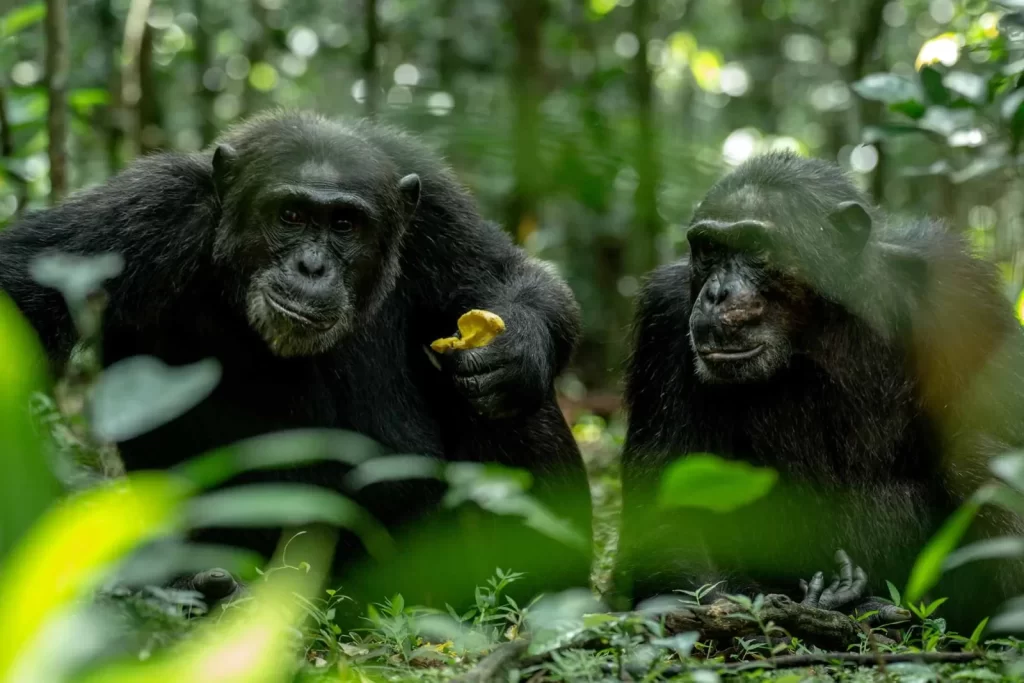
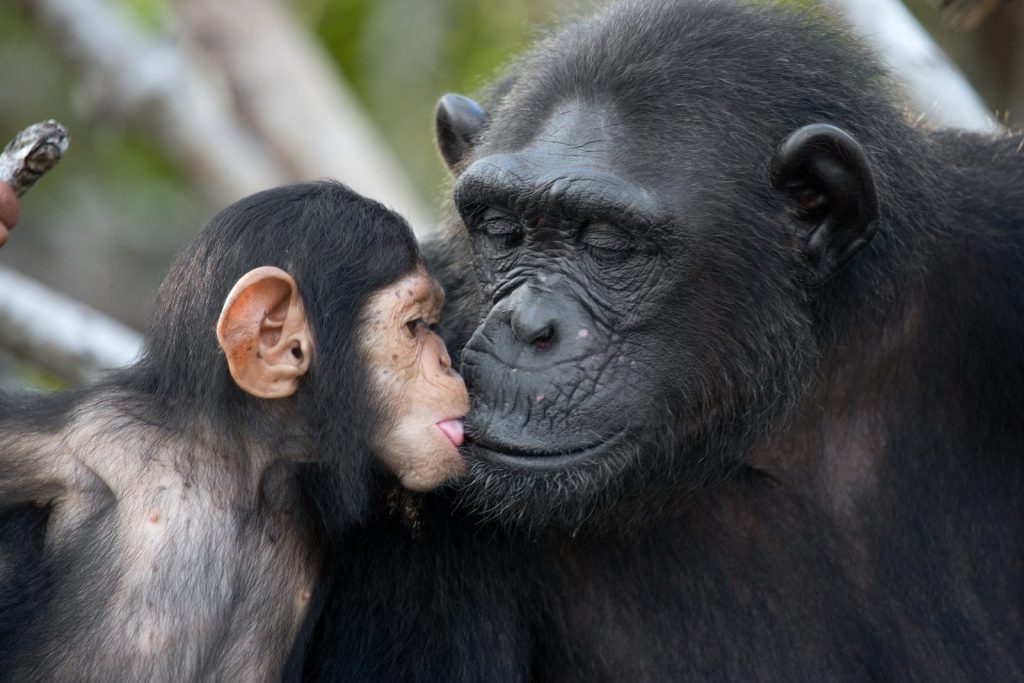
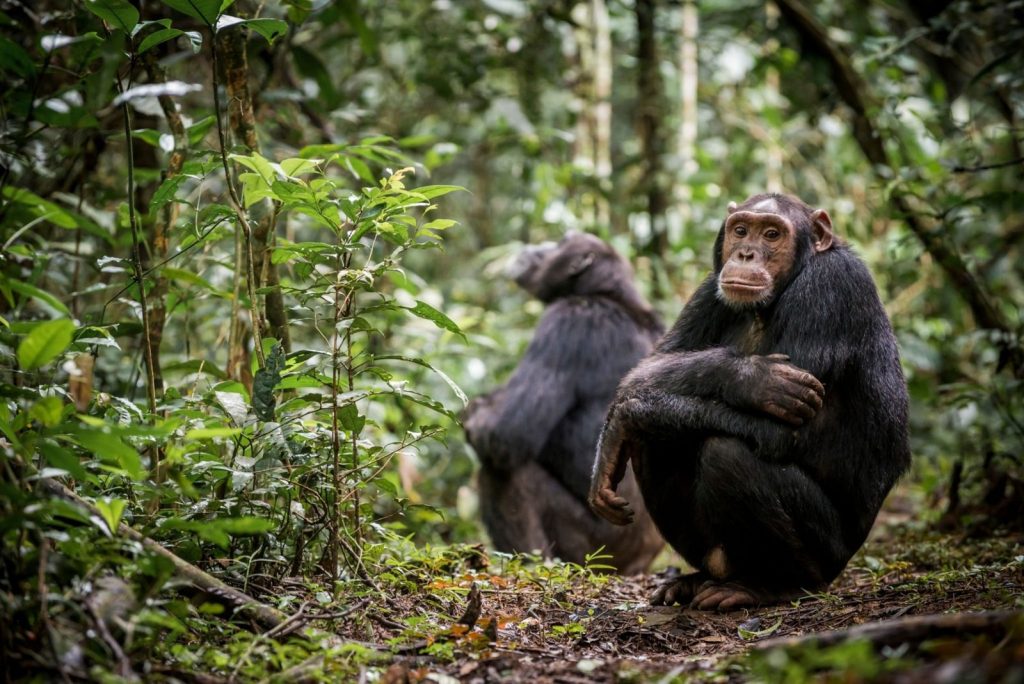
Kibale Forest and the nearby crater lakes are nature hikers’ dream places to visit in Uganda. The rainforest park has the densest population of primates, with 15 primate species jumping the forest canopy. It is in Kibale that you will visit wild chimpanzees up close.
Lake Mburo
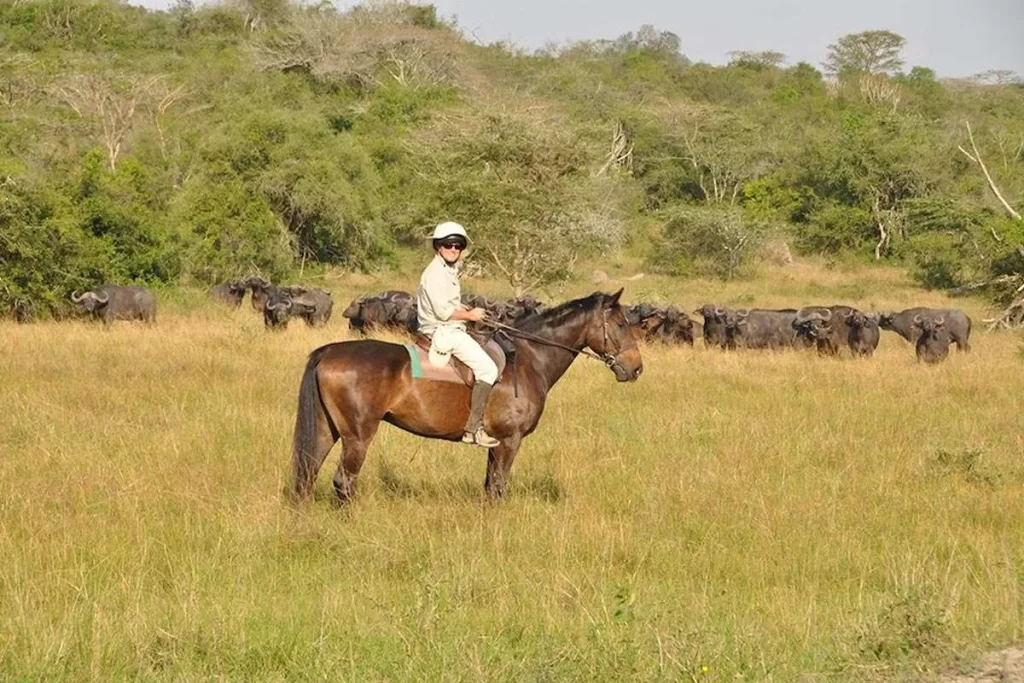
Lake Mburo National is the smallest and closest wildlife safari park to the city, 230 kilometers outside Kampala. This small park is usually included on Uganda wildlife tours as a buffer between Kampala and Bwindi and offers decent wildlife sightings.
Murchison Falls
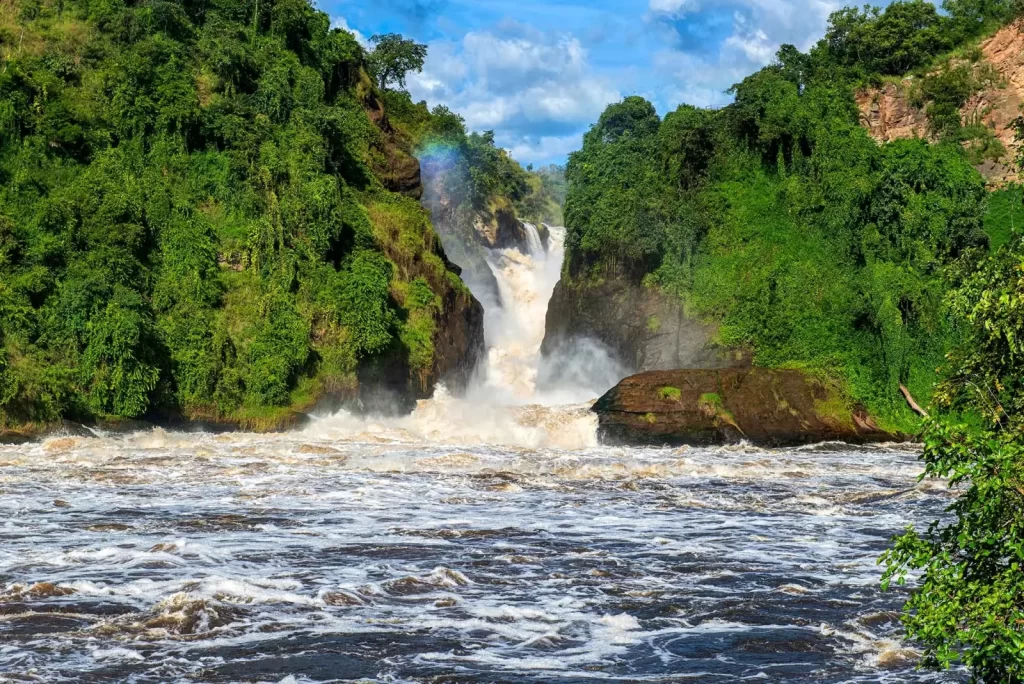
Murchison Falls National Park is located in the northwestern region, a bit far from the famous western safari circuit, but worth a first-time visit. Here, you’ll marvel at the mighty waterfall, cruise the Nile, and take a game drive to get close.
Queen Elizabeth National Park
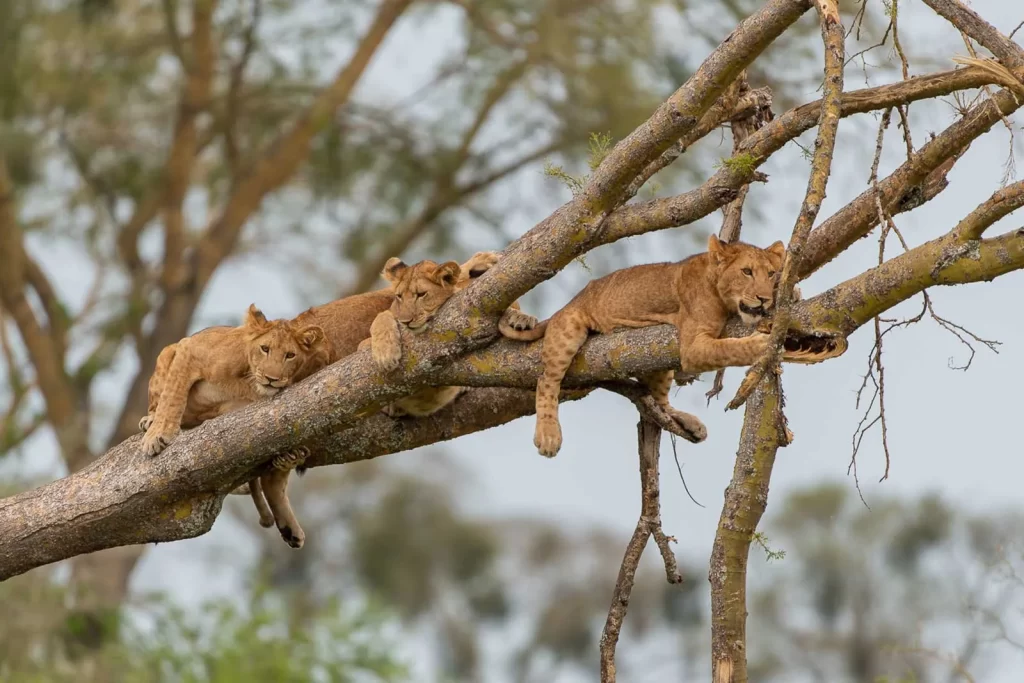
Queen Elizabeth is the best park in Uganda for family wildlife safaris and big game viewing tours. Game drives will bring you close to the elephants, tree-climbing lions, and leopards, but just as well, boat safaris on the Kazinga channel have excellent encounters with thirsty animals.
The best time to visit Uganda depends on how important trekking conditions are versus atmosphere.
If your trip is built around gorilla trekking or chimpanzee trekking, drier periods usually make a noticeable difference. Trails in Bwindi Impenetrable National Park and Kibale National Park are easier underfoot, and travel between regions is more reliable. This helps protect energy across your Uganda safari itinerary.
In wildlife parks like Queen Elizabeth National Park and Murchison Falls National Park, drier conditions also improve visibility and concentrate animals around water sources.
Greener months offer a different experience. Landscapes are lush, visitor numbers are lower, and the overall pace feels quieter. The trade-off is muddier trekking conditions and potentially slower travel days.
For a full month-by-month breakdown, see below.
A simple way to decide:
- prioritise trail conditions and logistics if primates are your focus
- prioritise space, scenery, and atmosphere if flexibility matters more
This is one of the most reliable periods for a Uganda safari. Conditions are generally dry, making gorilla trekking and chimp trekking easier and transfers more predictable.
Wildlife viewing in savannah parks is strong, with animals easier to spot as vegetation is less dense.
Best for:
- first-time Uganda safari itineraries
- combining primates and wildlife parks
- travellers wanting smoother logistics
This is the main rainy season. Forests in Bwindi Impenetrable National Park and Kibale National Park are at their most lush, but trekking can be more challenging underfoot.
The upside is fewer visitors and a quieter overall experience.
Best for:
- travellers prioritising atmosphere over convenience
- photographers interested in greener landscapes
- flexible itineraries
This is the peak dry season and one of the best times to visit Uganda.
Trekking conditions are typically at their best, making this ideal for gorilla safaris and primate trekking. Wildlife viewing is also strong across Queen Elizabeth National Park and Murchison Falls National Park.
Best for:
- primate-focused safaris
- well-paced Uganda safari routes
- combining multiple parks efficiently
A shorter rainy period that sits between peak seasons.
Conditions can be mixed, but this is often a good time for travellers who want fewer crowds without committing to the longer rains.
Best for:
- quieter travel windows
- balanced Uganda safari itineraries
- travellers comfortable with some flexibility
Planning a Uganda safari is largely about getting the pacing and logistics right.
Drive vs Fly-in Uganda Safari
This is the key decision.
- Drive-in Uganda safari
Offers a more connected experience. You see how landscapes change between regions, but travel days are longer and need careful planning. - Fly-in Uganda safari
Reduces transfer time and protects energy, especially around gorilla trekking days. Ideal for shorter trips or higher comfort levels.
Many of the best Uganda safari itineraries use a blend of both.
Safari Pacing and Transfers
Uganda rewards good sequencing. The biggest mistake is stacking demanding days.
Best practice:
- protect the day before and after gorilla trekking
- avoid long transfers before chimp trekking
- balance forest days with lighter wildlife or boat safari days
Permits and Planning
- Gorilla trekking permits are limited and should be secured early
- Chimp trekking permits are easier but still require planning
- Availability often shapes the final Uganda safari route
Practical Considerations
- A private Uganda safari allows flexibility in pacing and route design
- Travel times between parks can be longer than expected
- Lodges vary widely – choosing the right base affects the experience
How to Plan Effectively
To build the right Uganda safari itinerary, focus on:
- your travel dates
- priority experiences (gorillas, chimps, wildlife)
- preferred pace (slow vs efficient)
From there, routes can be shaped around Bwindi, Kibale, Queen Elizabeth, and Murchison Falls National Park in a way that feels logical rather than rushed.


Nkuringo Safaris
Our Ugandan Experts
Our Ugandan team blends deep local knowledge with years of guiding experience, sharing the country’s wildlife, culture, and landscapes with warmth and passion. From Bwindi’s misty forests to the open savannahs, they ensure every safari is safe, seamless, and unforgettable.
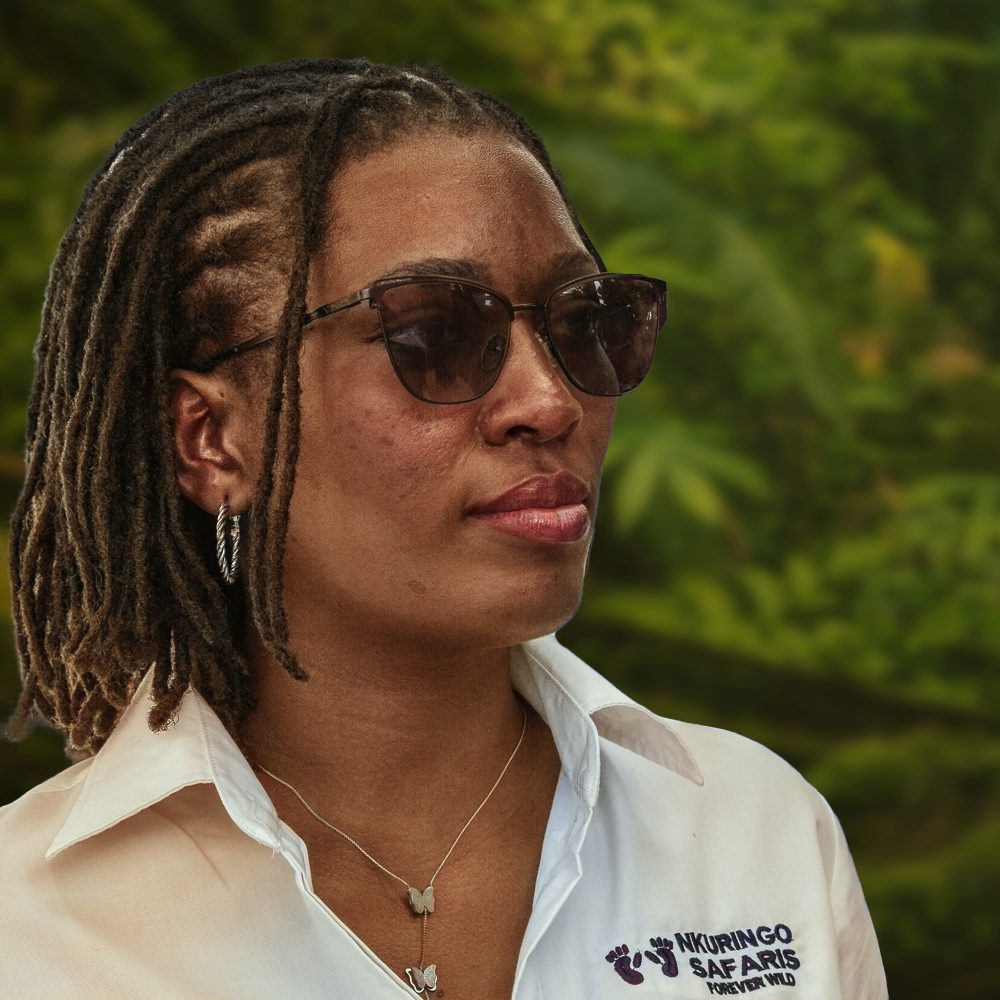
Catherine
I’ll help you pick the perfect safari dates and destinations for what you want to see.

Moreen
I’ll take care of securing your permits and arranging all park entries.
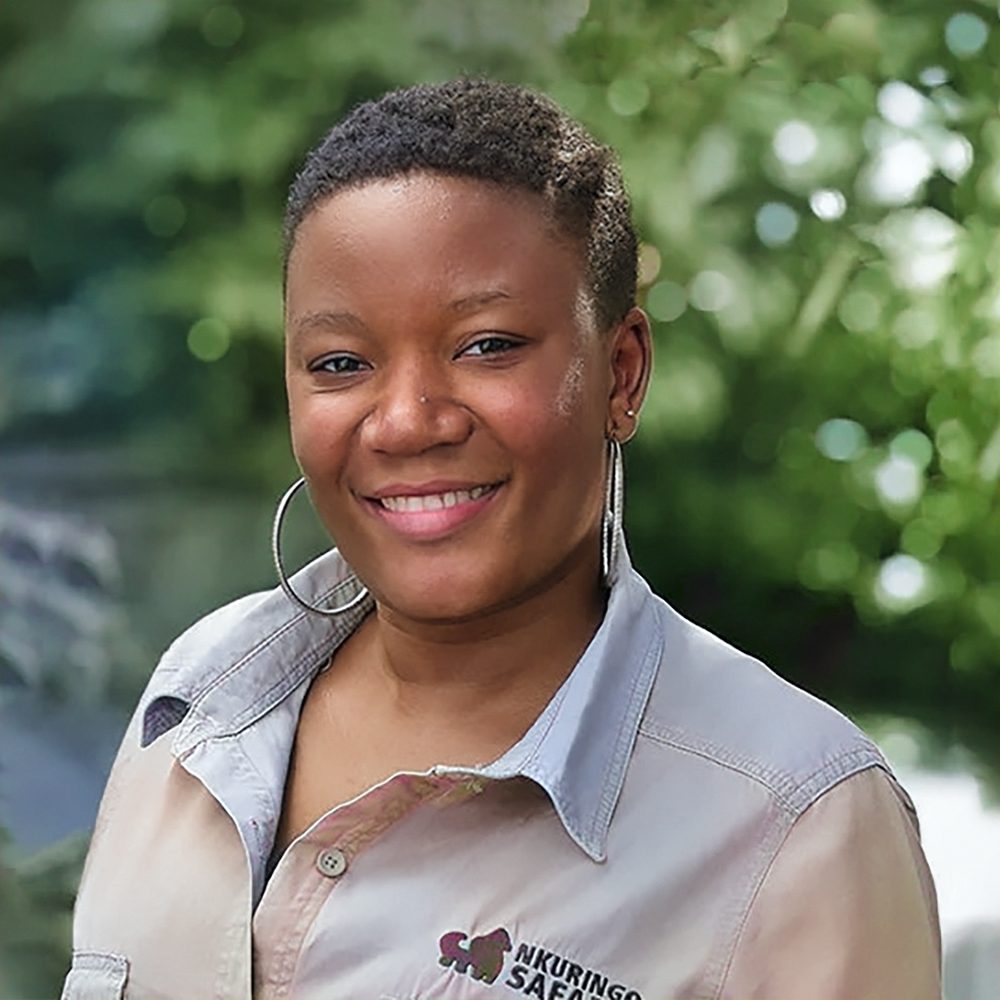
Diana
I’ll handle the transport and lodges so you can simply enjoy the adventure.
We are Uganda wildlife safari specialists who will work closely with you to design a personalized journey that provides an exceptional experience. Traveling to unfamiliar places and dealing with complex logistics can be overwhelming, but with us, it doesn’t have to.

Tailor-Made
Uganda Wildlife Safaris
Uganda safari itineraries are typically built around three proven trip lengths – 8, 12, or 14 days. Each offers a different balance of gorilla trekking, chimp trekking, and time in wildlife parks like Queen Elizabeth or Murchison Falls.
Whether you’re looking for a focused primate safari or a slower, more complete route, these itineraries provide a strong starting point before tailoring a private Uganda safari around your pace and priorities.
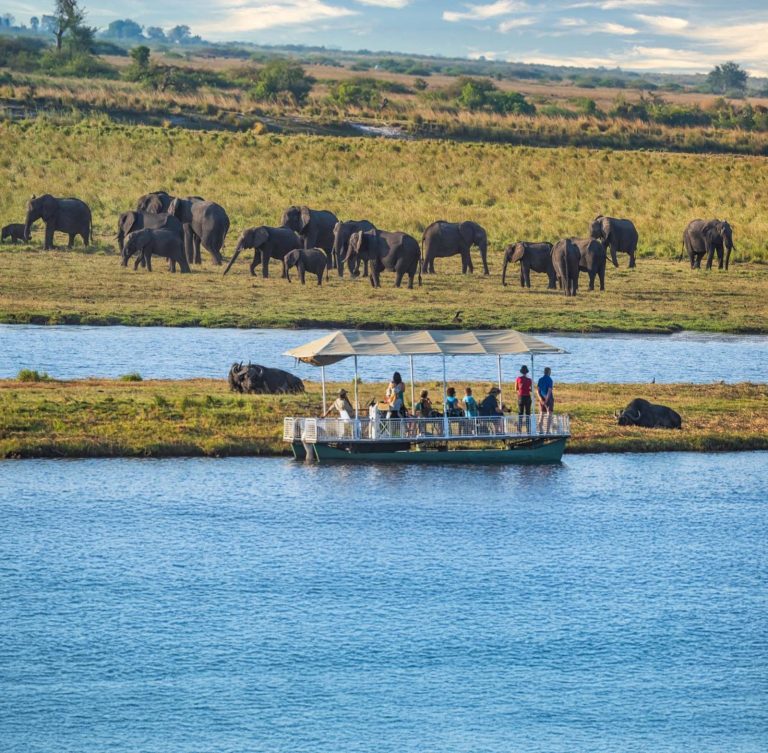
12-Days Explore The Best of Uganda’s Wilderness Gems
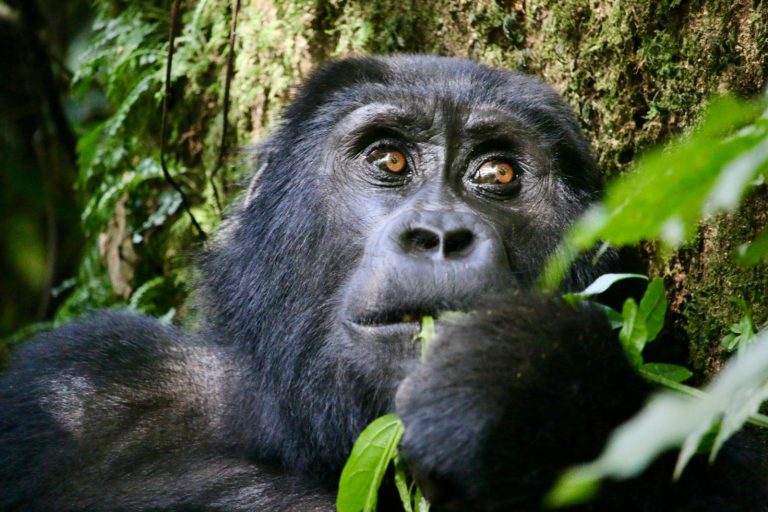
5-Day gorilla Trekking Safari Package—Fly to Bwindi

8-Days Classic Uganda Primates Safari
8-Days Classic Uganda Primates Safari
8-Days Classic Uganda Primates Safari
8-Days Classic Uganda Primates Safari
Some of Our
Frequently Asked Questions
It’s best to plan as early as possible, especially if gorilla trekking is a priority. Permits are limited, and availability can shape your Uganda safari itinerary.
Yes. Uganda is one of the few destinations where you can combine all three in a single trip. The key is proper pacing and route sequencing.
It varies. Some treks are manageable, while others can be steep or muddy. Fitness helps, but pacing and preparation make the biggest difference.
Drier months (June–September and December–February) are generally best for trekking and logistics. Greener months offer fewer crowds and more lush scenery.
Drive-in safaris feel more continuous, while fly-in safaris reduce travel time. Many itineraries combine both for balance.
Uganda offers more variety in one trip – combining primate trekking, savannah wildlife, and river experiences – rather than focusing mainly on open plains and large herds.
Testimonials
What Our Travellers Say
Don’t miss out on this unique experience. Our guide, Richard, was excellent. We had an informative and unique walk down the mountain from Kisoro to Lake Mutanda. We walked through villages and saw families actively working their farms. The walk is easy. The dugout canoe was very comfortable, with padded seats. We highly recommend the adventure.

My husband and I had a week’s vacation, which is not a lot given everything we wanted to do/see. Nkuringo organized our trip to make the most of this week. The trip was flawlessly organized. Time management was perfect. They were flexible and accommodating, all our needs were met, and we felt listened to; it was a truly customized experience.