Safari Blog
Uganda Weather, Climate, & Temperature Patterns


Uganda enjoys a warm, tropical climate with pleasant weather throughout the year, characterized by two distinct rainy seasons from March to May and September to November. The average annual temperature in Uganda ranges from 17°C (63°F) in the southwest to 25°C (77°F) in the northeast. The hottest months are December to February, with temperatures in the capital city of Kampala reaching up to 28°C (82°F). In contrast, the coolest months in Kampala are typically June and July, with average temperatures around 24°C (75°F). However, temperatures in the highlands can drop to as low as 16°C (61°F) during these months, offering a refreshing escape from the heat.
To experience the best of Uganda’s weather and diverse landscapes, the dry seasons from June to August and December to February are generally considered the ideal times to visit. These months offer pleasant temperatures, clear skies, and dry conditions, making it perfect for outdoor activities like wildlife safaris, gorilla trekking, and hiking.
During these periods, you can expect comfortable temperatures in most regions, with the exception of the highlands where it can get quite chilly at night. The dry seasons also provide the best opportunities for wildlife viewing, as animals congregate around water sources, making them easier to spot.
Graph Showing Average Temperatures and Precipitation

Uganda Weather Throughout The Year
Uganda’s weather patterns follow a rhythm of two distinct seasons – wet and dry – each with its own unique charm:
Dry Seasons
- June to August: This is the extended dry season, offering warm days with average afternoon temperatures of 27°C (81°F) and cooler mornings at 16°C (61°F). Higher altitudes, above 1,300m (4,265ft), provide a refreshing escape from the heat. This is an ideal time for outdoor adventures and exploring Uganda’s natural beauty.
- December to February: The shorter dry season boasts similar daytime temperatures around 28°C (82°F) and morning lows of 16°C (61°F). The northern region experiences a more pronounced dry season during these months.
Wet Seasons
- March to May: This is the longer rainy season, with more rainfall throughout the country and a peak in April in the south. Daytime temperatures average around 28°C (82°F), and mornings around 16°C (61°F). It is cooler in the highlands and warmer in the north.
- September to November: This is the shorter rainy season, with slightly less rain on average compared to the March-May period, but still offers a lush and vibrant landscape. Daytime temperatures are around 28°C (82°F).
Overall, the dry seasons in Uganda, especially June to August and December to February, are considered the most favorable times for travel due to the dry conditions, making it easier to navigate roads and trails.
Recommended for you: What is the Best Time for Visiting Uganda
Graph Showing Precipitation Amounts

Uganda Weather in the Northern Region vs Southern Region
The weather in Uganda’s northern region differs from the southern region in the following ways:
The northern parts of Uganda have a hot and dry climate, with a distinct dry season from December to March. During this time, temperatures can reach up to 32°C (90°F) and there is very little rainfall, often less than 40mm per month. The dry winds from the northeast contribute to the arid conditions in the north.
In contrast, the southern parts of Uganda, including the areas around Lake Victoria, have an equatorial climate that is more humid and experiences rainfall throughout the year. The southern region has two rainy seasons – a longer one from March to May and a shorter one from September to November. Temperatures in the south are generally cooler, averaging around 27-29°C (81-84°F) due to the higher elevations and proximity to large lakes.
The central and southwestern parts of Uganda, including the highlands and mountainous areas, have a more temperate climate with lower temperatures compared to the north and south. These regions can experience cooler temperatures, especially at night, due to the higher altitudes.
In summary, the northern region of Uganda is hotter and drier, with a pronounced dry season, while the southern region is more humid and experiences more consistent rainfall throughout the year. The central and southwestern highlands have a more moderate, temperate climate.
Graph Showing Maximum Temperatures

Uganda Temperature in Summer
The average summer temperatures in Uganda range from around 25°C (77°F) to 28°C (82°F) during the day, with overnight lows around 16°C (61°F) to 17°C (63°F).
Some key points about Uganda’s summer weather:
- The hottest months are December to February, with daytime highs up to 29°C (84°F) in Kampala. The north can reach over 30°C (86°F).
- Overnight lows in the highlands and mountains can drop to 10°C (50°F) or below, with frost possible above 3,500m (11,500ft).
- The southern regions near Lake Victoria have a more humid, equatorial climate compared to the north.
- Rainfall is lower during the June to August dry season, with less than 100mm per month in many areas.
- The dry weather makes summer the best time to visit Uganda for activities like gorilla trekking.
So, in summary, Uganda enjoys warm, sunny weather during its summer months, with cooler temperatures in the highlands and more humidity in the south. The best time to visit Uganda is in the dry months. The dry conditions make it an ideal time for travel and wildlife viewing.
Graph Showing Cloudy, Sunny, and Precipitation Days

The climate in various parks and towns in Uganda
Here is a summary of the climate and weather in different regions and national parks of Uganda:
Bwindi Impenetrable National Park
- Altitude: 1,300-2,462m
- Climate: Wet yet mild, with consistent temperatures year-round due to its proximity to the equator
- Daytime temperatures: Around 23°C (73°F)
- Nighttime temperatures: Around 11°C (52°F)
- Temperatures decrease by about 6.5°C for every 1,000m of elevation gained
Kibale National Park
- Altitude: 928-1,568m
- Climate: Moist and temperate, with little variation throughout the year
- Daytime temperatures: Around 27°C
- Nighttime temperatures: Around 15°C
- No distinct dry season, with rain possible year-round, though drier from December-February and June-July
Mgahinga Gorilla National Park
- Altitude: 2,227-4,127m
- Climate: Mild to cold and wet
- Daytime temperatures: Around 20°C (68°F)
- Nighttime temperatures: Around 9°C (48°F)
- Temperatures decrease by about 6.5°C per 1,000m of elevation gained
Queen Elizabeth National Park
- Altitude: 884-1,337m
- Climate: Warm and stable year-round
- Daytime temperatures: Around 29°C (84°F)
- Nighttime temperatures: Around 17°C (63°F)
Murchison Falls National Park
- Altitude: 615-1,187m
- Climate: Tropical and hot, with uniform temperatures year-round
- Daytime temperatures: Around 31°C (88°F)
- Nighttime temperatures: Around 18°C (64°F)
The key Uganda weather differences in national parks are that the higher altitude regions like Bwindi and Mgahinga are cooler, while the lower-lying areas like Murchison Falls are hotter. Rainfall patterns also vary, with the southwest receiving more consistent rainfall compared to the drier north.
Lake Mburo National Park
- Altitude: 1,220-1,828m
- Climate: Tropical, with two distinct wet and dry seasons
- Rainfall: 500-1000mm per year, with peaks in March-May and September-November
- Temperatures: Daytime around 27°C (81°F), nighttime around 14°C (57°F) on average
Kidepo Valley National Park
- Altitude: 1,000-2,750m
- Climate: Hot and dry, with a pronounced dry season from December to March
- Rainfall: Less than 40mm per month during the dry season
- Temperatures: Can reach up to 32°C (90°F) during the day
Semuliki National Park
- Altitude: 670-1,330m
- Climate: Tropical, with high humidity and rainfall throughout the year
- Rainfall: Over 1,200mm annually, with no true dry season
- Temperatures: Daytime around 28-30°C (82-86°F), cooler at night
Kampala
- Altitude: 1,155m
- Climate: Tropical, with a bimodal rainfall pattern
- Rainfall: 1,200-1,500mm per year, with peaks in April-May and October-November
- Temperatures: Average daytime highs around 26-28°C (79-82°F)
Entebbe
- Altitude: 1,155m
- Climate: Tropical, with a bimodal rainfall pattern
- Rainfall: 1,200-1,500mm per year, similar to Kampala
- Temperatures: Average daytime highs around 26-28°C (79-82°F)
Kisoro
- Altitude: 1,759m
- Climate: Temperate, with cooler temperatures due to high altitude
- Rainfall: 1,000-1,500mm per year, with two rainy seasons
- Temperatures: Daytime around 20-22°C (68-72°F), nighttime around 10-12°C (50-54°F)
Jinja
- Altitude: 1,111m
- Climate: Tropical, with a bimodal rainfall pattern
- Rainfall: 1,200-1,500mm per year, similar to Kampala
- Temperatures: Average daytime highs around 26-28°C (79-82°F)
Gulu
- Altitude: 1,119m
- Climate: Tropical, with a distinct dry season from December to February
- Rainfall: 1,000-1,500mm per year, with two rainy seasons
- Temperatures: Daytime around 28-30°C (82-86°F), cooler at night
The altitude plays a significant role in the climate, with higher elevations experiencing cooler temperatures. The northern regions at lower altitudes tend to be hotter and drier, while the southwest highlands are cooler and wetter. The central and southern areas have a more consistent, humid climate year-round.
Tailor-made Uganda Tours
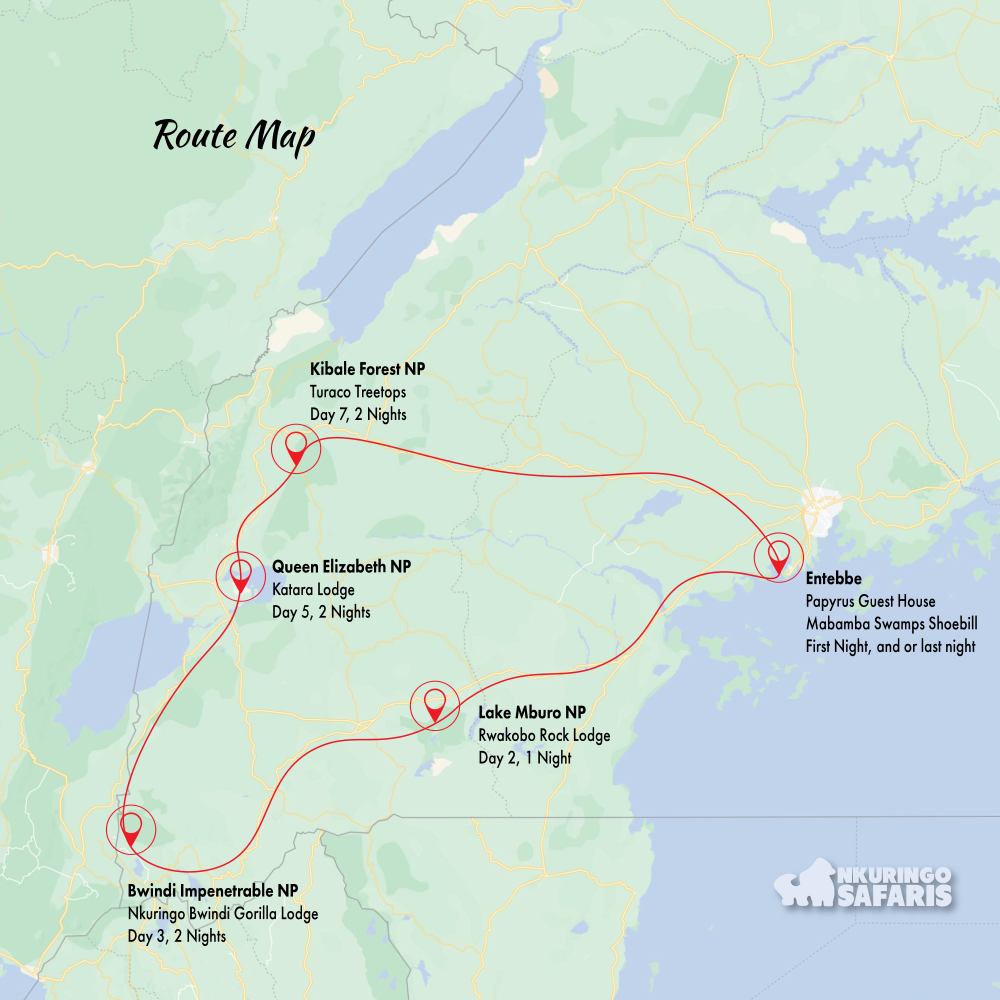
Primates: Gorillas, Chimps, & Wildlife Safari
8 Days | From US $3,865
Includes
Permits, Accommodation, Meals, Transport.

Explore Uganda’s Wilderness, See Primates on this trip
12 Days | From US $5,518
Includes
Permits, Accommodation, Meals, Transport.

Testimonials
What Our Travellers Say
Discover more about
Our sustainability and conservation commitment
Nkuringo Safaris gives back by supporting local education, conservation, and creating jobs through community-driven tourism.